Blog

  • Farm Bureau Insurance: A Comprehensive Guide

    Farm Bureau Insurance: A Comprehensive Guide

    Farm Bureau Insurance is a well-established insurance company that has been providing a wide range of insurance products and services to its members for many years. With a strong focus on serving the needs of farmers, ranchers, and rural communities, Farm Bureau Insurance has built a reputation for its commitment to customer service, financial stability, and community involvement. In this comprehensive guide, we will delve into the history, products, services, and overall value proposition of Farm Bureau Insurance, exploring its strengths and weaknesses to provide a thorough understanding of what it offers to its members.

    History and Background
    Farm Bureau Insurance: A Comprehensive Guide

    Farm Bureau Insurance traces its roots back to the early 20th century when farmers and ranchers recognized the need for a collective voice to address their unique challenges and advocate for their interests. The Farm Bureau, a grassroots organization representing agricultural interests, was formed to provide a platform for farmers to come together, share knowledge, and work towards common goals.

    As the Farm Bureau grew in influence and membership, it became evident that farmers also needed access to affordable and reliable insurance coverage. Traditional insurance companies were often hesitant to serve the agricultural community due to the perceived risks associated with farming and ranching. In response to this need, Farm Bureau organizations in various states began to establish their own insurance companies to provide tailored coverage to their members.

    Over time, these state-level Farm Bureau Insurance companies evolved and expanded their product offerings to include a wide range of personal and commercial insurance solutions. Today, Farm Bureau Insurance operates in multiple states, providing coverage to individuals, families, and businesses across rural and urban areas.

    Products and Services

    Farm Bureau Insurance offers a comprehensive suite of insurance products and services designed to meet the diverse needs of its members. These include:

    • Auto Insurance: Farm Bureau Insurance provides auto insurance coverage for a variety of vehicles, including cars, trucks, motorcycles, and recreational vehicles. Their auto insurance policies typically include coverage for liability, collision, comprehensive, uninsured/underinsured motorist, and medical payments.

    • Home Insurance: Farm Bureau Insurance offers homeowners insurance policies that protect homeowners against financial losses resulting from damage to their homes and personal property. Their homeowners insurance policies typically include coverage for fire, wind, hail, theft, vandalism, and liability.

    • Farm and Ranch Insurance: Farm Bureau Insurance specializes in providing insurance coverage for farms and ranches. Their farm and ranch insurance policies typically include coverage for farm buildings, equipment, livestock, crops, and liability.

    • Life Insurance: Farm Bureau Insurance offers a variety of life insurance products, including term life insurance, whole life insurance, and universal life insurance. Their life insurance policies provide financial protection to beneficiaries in the event of the insured’s death.

    • Health Insurance: Farm Bureau Insurance offers health insurance coverage through partnerships with leading health insurance providers. Their health insurance options include individual and family health plans, as well as Medicare supplement plans.

    • Business Insurance: Farm Bureau Insurance provides business insurance coverage for a variety of businesses, including small businesses, farms, and ranches. Their business insurance policies typically include coverage for property damage, liability, workers’ compensation, and business interruption.

    Benefits of Choosing Farm Bureau Insurance

    There are several benefits to choosing Farm Bureau Insurance as your insurance provider:

    • Local Expertise: Farm Bureau Insurance agents are typically local residents who understand the unique needs of their communities. They can provide personalized advice and guidance to help you choose the right insurance coverage for your specific situation.

    • Competitive Rates: Farm Bureau Insurance offers competitive rates on its insurance products. They also offer a variety of discounts to help you save money on your insurance premiums.

    • Excellent Customer Service: Farm Bureau Insurance is known for its excellent customer service. Their agents are responsive and helpful, and they are committed to providing you with the best possible insurance experience.

    • Financial Stability: Farm Bureau Insurance is a financially stable company. They have a strong track record of paying claims promptly and fairly.

    • Community Involvement: Farm Bureau Insurance is committed to supporting the communities it serves. They sponsor a variety of local events and organizations.

    Drawbacks of Choosing Farm Bureau Insurance

    There are also some potential drawbacks to choosing Farm Bureau Insurance:

    • Limited Availability: Farm Bureau Insurance is not available in all states.

    • Membership Requirement: In some states, you may need to be a member of the Farm Bureau to purchase insurance from Farm Bureau Insurance.

    • Limited Online Tools: Farm Bureau Insurance’s online tools are not as comprehensive as those offered by some of the larger national insurance companies.

    Overall Value Proposition

    Farm Bureau Insurance offers a compelling value proposition for individuals, families, and businesses seeking comprehensive insurance coverage and personalized service. With its strong roots in the agricultural community, Farm Bureau Insurance understands the unique needs of farmers, ranchers, and rural residents. Their local agents provide expert advice and guidance, helping members choose the right insurance coverage to protect their assets and livelihoods.

    Farm Bureau Insurance’s commitment to customer service, financial stability, and community involvement sets it apart from many other insurance companies. While its availability may be limited in some areas and its online tools may not be as advanced as those of its competitors, Farm Bureau Insurance remains a solid choice for those seeking a trusted insurance provider with a strong focus on local expertise and community support.

    Conclusion

    Farm Bureau Insurance is a well-established insurance company with a long history of serving the needs of farmers, ranchers, and rural communities. With a comprehensive range of insurance products and services, a commitment to customer service, and a strong focus on community involvement, Farm Bureau Insurance offers a compelling value proposition for those seeking reliable insurance coverage and personalized support. While its availability may be limited in some areas and its online tools may not be as advanced as those of its competitors, Farm Bureau Insurance remains a solid choice for those seeking a trusted insurance provider with a strong local presence.
  • State Farm Insurance: A Comprehensive Overview

    State Farm Insurance: A Comprehensive Overview

    State Farm Insurance is one of the most recognizable and largest insurance providers in the United States. With a history spanning over a century, State Farm has built a reputation for reliability, financial strength, and a broad range of insurance and financial products. This article delves into the history, services, financial performance, community involvement, and technological advancements of State Farm Insurance.

    History and Foundation

    State Farm Insurance: A Comprehensive Overview

    State Farm was founded in 1922 by George Jacob Mecherle, a retired farmer and insurance salesman, in Bloomington, Illinois. Mecherle’s vision was to provide auto insurance at competitive rates to farmers, based on the principle that farmers, due to their careful driving habits and lower accident rates, deserved lower premiums. This initial focus on a specific demographic laid the foundation for State Farm’s customer-centric approach.

    The company began with a simple business model: direct sales, eliminating the need for intermediaries and reducing costs. This model allowed State Farm to offer lower premiums, attracting a loyal customer base. As the company grew, it expanded its offerings to include a wider range of insurance products, such as life insurance, homeowners insurance, and later, financial services.

    Key Milestones in State Farm’s History:

    • 1922: State Farm Mutual Automobile Insurance Company is founded.
    • 1929: State Farm Life Insurance Company is established.
    • 1935: State Farm Fire and Casualty Company is created to offer homeowners insurance.
    • Mid-20th Century: State Farm expands nationwide, becoming a major player in the insurance industry.
    • Late 20th Century: The company diversifies into financial services, including banking and investment products.
    • 21st Century: State Farm focuses on technological innovation and customer service enhancements.

    Services and Products Offered

    State Farm offers a comprehensive suite of insurance and financial products designed to meet the diverse needs of its customers. These products include:

    1. Auto Insurance:
      • Coverage Options: State Farm provides a variety of auto insurance coverage options, including liability, collision, comprehensive, uninsured/underinsured motorist, and medical payments coverage.
      • Discounts: The company offers numerous discounts, such as safe driver discounts, good student discounts, multi-car discounts, and defensive driving course discounts.
      • Drive Safe & Save: This program uses telematics to monitor driving habits and reward safe drivers with lower premiums.
    2. Homeowners Insurance:
      • Coverage Options: State Farm’s homeowners insurance protects against losses due to fire, theft, vandalism, and natural disasters. It also provides liability coverage for injuries or damages occurring on the property.
      • Additional Coverage: Options include coverage for valuable personal property, identity theft restoration, and water damage.
      • Discounts: Homeowners can qualify for discounts by installing security systems, having multiple policies with State Farm, and maintaining a claims-free record.
    3. Life Insurance:
      • Term Life Insurance: Provides coverage for a specific period, typically 10 to 30 years, with premiums remaining level throughout the term.
      • Whole Life Insurance: Offers lifelong coverage with a cash value component that grows over time. Policyholders can borrow against the cash value or withdraw it.
      • Universal Life Insurance: Provides flexible premiums and death benefits, with a cash value component that earns interest based on market conditions.
    4. Renters Insurance:
      • Coverage: Protects renters against losses to personal property due to theft, fire, and other covered perils. It also provides liability coverage for injuries or damages occurring in the rented property.
    5. Business Insurance:
      • Coverage: State Farm offers a range of business insurance products, including commercial auto insurance, property insurance, liability insurance, and workers’ compensation insurance.
      • Targeted Industries: The company provides tailored insurance solutions for various industries, such as retail, professional services, and contractors.
    6. Financial Services:
      • Banking: State Farm Bank offers checking accounts, savings accounts, credit cards, and loans.
      • Investment Products: State Farm provides access to mutual funds, annuities, and other investment products through its partnership with third-party financial institutions.

    Customer Service and Agent Network

    One of State Farm’s key strengths is its extensive network of local agents. These agents serve as the primary point of contact for customers, providing personalized service and guidance on insurance and financial matters. State Farm agents are independent contractors who are deeply embedded in their communities, allowing them to understand the specific needs of their clients.

    State Farm also invests heavily in customer service technology, including a user-friendly website and mobile app. Customers can use these tools to manage their policies, file claims, make payments, and access support resources. The company’s customer service centers are available 24/7 to assist with emergencies and provide assistance.

    Financial Performance and Stability

    State Farm is known for its financial strength and stability. The company consistently receives high ratings from independent rating agencies such as A.M. Best, Moody’s, and Standard & Poor’s. These ratings reflect State Farm’s ability to meet its financial obligations and pay claims, even in the face of significant losses.

    State Farm’s financial performance is driven by its large customer base, diversified product portfolio, and disciplined underwriting practices. The company manages its risk exposure carefully and maintains adequate reserves to cover potential losses. This financial strength provides peace of mind to policyholders, knowing that State Farm will be there to support them when they need it most.

    Community Involvement and Corporate Social Responsibility

    State Farm is committed to giving back to the communities it serves. The company supports a wide range of charitable organizations and initiatives through its corporate philanthropy program. State Farm focuses its community involvement efforts on three key areas:

    1. Education: State Farm supports educational programs and initiatives that promote academic achievement, college readiness, and financial literacy.
    2. Community Development: The company invests in community development projects that revitalize neighborhoods, create affordable housing, and promote economic opportunity.
    3. Disaster Preparedness and Relief: State Farm provides funding and resources to support disaster preparedness and relief efforts, helping communities recover from natural disasters and other emergencies.

    State Farm also encourages its employees and agents to volunteer their time and talents to support local causes. The company provides employees with paid time off to volunteer and matches employee donations to eligible charities.

    Technological Advancements and Innovation

    State Farm has embraced technological advancements to enhance its products, services, and customer experience. The company invests heavily in research and development to stay ahead of the curve and meet the evolving needs of its customers. Some of State Farm’s key technological initiatives include:

    1. Telematics: State Farm’s Drive Safe & Save program uses telematics technology to monitor driving habits and reward safe drivers with lower premiums. The program collects data on factors such as speed, mileage, and hard braking, providing personalized feedback to help drivers improve their safety.
    2. Mobile App: State Farm’s mobile app allows customers to manage their policies, file claims, make payments, and access support resources from their smartphones or tablets. The app also provides features such as roadside assistance and digital ID cards.
    3. Artificial Intelligence (AI): State Farm is using AI to automate claims processing, detect fraud, and provide personalized customer service. AI-powered chatbots can answer customer inquiries, provide policy information, and guide customers through the claims process.
    4. Data Analytics: State Farm uses data analytics to identify trends, assess risk, and improve its underwriting practices. The company analyzes vast amounts of data to understand customer behavior, predict losses, and develop targeted insurance solutions.
    5. Digital Claims Processing: State Farm has streamlined its claims process by leveraging digital technology. Customers can file claims online or through the mobile app, upload photos and documents, and track the status of their claims in real-time.

    Challenges and Opportunities

    Like all insurance companies, State Farm faces a number of challenges and opportunities in the current market environment. Some of the key challenges include:

    • Increasing Competition: The insurance industry is highly competitive, with numerous players vying for market share. State Farm must continue to innovate and differentiate itself to maintain its competitive edge.
    • Changing Customer Expectations: Customers increasingly expect personalized service, seamless digital experiences, and competitive pricing. State Farm must adapt to these changing expectations to retain and attract customers.
    • Regulatory Changes: The insurance industry is subject to extensive regulation, and changes in regulations can impact State Farm’s business operations. The company must stay informed about regulatory developments and comply with all applicable laws and regulations.
    • Climate Change: Climate change is increasing the frequency and severity of natural disasters, leading to higher insurance claims. State Farm must manage its exposure to climate-related risks and develop strategies to mitigate the impact of natural disasters.

    Despite these challenges, State Farm also has significant opportunities for growth and innovation. Some of the key opportunities include:

    • Expanding into New Markets: State Farm can expand its geographic reach and target new customer segments to grow its business. The company can also explore new product offerings and partnerships to meet the evolving needs of its customers.
    • Leveraging Technology: State Farm can continue to leverage technology to improve its efficiency, enhance customer service, and develop innovative insurance solutions. The company can explore new technologies such as blockchain, IoT, and machine learning to create new value for its customers.
    • Strengthening Customer Relationships: State Farm can strengthen its relationships with customers by providing personalized service, building trust, and offering valuable resources. The company can also leverage its agent network to provide local support and guidance to customers.
    • Promoting Sustainability: State Farm can promote sustainability by reducing its environmental impact, supporting sustainable business practices, and investing in renewable energy. The company can also offer insurance products that promote sustainable living, such as coverage for electric vehicles and solar panels.

    Conclusion

    State Farm Insurance has a long and storied history of providing reliable insurance and financial services to its customers. With its extensive agent network, diversified product portfolio, and strong financial performance, State Farm is well-positioned to continue serving its customers for many years to come. The company’s commitment to community involvement, technological innovation, and customer service sets it apart from its competitors and reinforces its reputation as a trusted and respected insurance provider. As State Farm navigates the challenges and opportunities of the future, it will likely continue to evolve and adapt to meet the changing needs of its customers and the broader insurance market.

  • SR22 Insurance: A Comprehensive Guide

    SR22 Insurance: A Comprehensive Guide

    If you’ve found yourself in a situation requiring SR22 insurance, you likely have questions. What is it? Why do you need it? How much does it cost? This comprehensive guide will break down everything you need to know about SR22 insurance, from the reasons you might require it to how to obtain and maintain it.

    What is SR22 Insurance?

    SR22 Insurance: A Comprehensive Guide

    SR22 insurance isn’t actually a type of insurance policy. Instead, it’s a certificate of financial responsibility required by a state after certain driving-related offenses. Think of it as a proof of insurance that your insurance company files with the state on your behalf. This certificate verifies that you meet the minimum liability insurance requirements mandated by the state.

    The SR22 form confirms to the state that you have active auto insurance coverage. It also notifies the state if your policy lapses, is canceled, or is not renewed. This notification is crucial because it allows the state to take action, such as suspending your driver’s license, if you no longer maintain the required insurance coverage.

    Who Needs SR22 Insurance?

    SR22 insurance is typically required for drivers who have committed serious traffic violations. These violations often indicate a higher risk of future accidents or irresponsible driving behavior. Common reasons for requiring SR22 insurance include:

    • Driving Under the Influence (DUI) or Driving While Intoxicated (DWI): This is one of the most common reasons for requiring an SR22. DUI/DWI convictions often lead to license suspension and the need for an SR22 to reinstate driving privileges.
    • Driving Without Insurance: If you’re caught driving without insurance, you may be required to file an SR22 form as a condition of reinstating your license.
    • Driving with a Suspended License: Driving with a suspended license can result in further penalties and the requirement of an SR22.
    • Reckless Driving: Convictions for reckless driving, which involves a disregard for the safety of others, often trigger SR22 requirements.
    • Multiple Traffic Offenses: Accumulating a certain number of traffic tickets within a specific timeframe can lead to license suspension and the need for an SR22.
    • At-Fault Accidents Without Insurance: If you cause an accident and are uninsured, you may be required to file an SR22 to demonstrate financial responsibility.
    • Court Order: A court may order you to obtain an SR22 as part of a sentence or probation.

    It’s important to note that the specific reasons for requiring an SR22 can vary by state. The best way to determine if you need an SR22 is to contact your state’s Department of Motor Vehicles (DMV) or equivalent agency.

    How to Obtain SR22 Insurance

    Getting SR22 insurance involves a few key steps:

    1. Contact Your Insurance Company: The first step is to contact your current auto insurance provider. Not all insurance companies offer SR22 filings, so it’s crucial to confirm that they can provide this service.
    2. Find a New Insurance Company (If Necessary): If your current insurer doesn’t offer SR22 filings, you’ll need to shop around for a new insurance company that does. Be prepared to provide details about your driving record and the reason for needing the SR22.
    3. Request an SR22 Filing: Once you’ve found an insurance company that can provide SR22 coverage, request that they file the SR22 form with the state on your behalf. The insurance company will electronically submit the form to the relevant state agency, such as the DMV.
    4. Obtain Proof of Filing: Ask your insurance company for proof that the SR22 form has been filed. This documentation can be useful if you need to demonstrate compliance with the state’s requirements.
    5. Maintain Continuous Coverage: It’s crucial to maintain continuous auto insurance coverage throughout the SR22 period. If your policy lapses or is canceled, your insurance company is required to notify the state, which can result in license suspension or other penalties.

    Cost of SR22 Insurance

    SR22 insurance typically costs more than standard auto insurance. This is because drivers who require SR22 filings are considered higher-risk drivers due to their past driving offenses. The increased risk translates to higher insurance premiums.

    Several factors can influence the cost of SR22 insurance, including:

    • Underlying Insurance Policy: The cost of the underlying auto insurance policy is the primary factor. Liability coverage, collision coverage, and comprehensive coverage all contribute to the overall premium.
    • Driving Record: A history of traffic violations, accidents, and DUI/DWI convictions will significantly increase your insurance rates.
    • State Requirements: The minimum liability insurance requirements vary by state, which can affect the cost of your policy.
    • Insurance Company: Different insurance companies have different pricing models, so it’s essential to compare quotes from multiple providers.
    • Vehicle Type: The type of vehicle you drive can also influence your insurance rates. Sports cars and luxury vehicles typically cost more to insure than standard sedans.
    • Age and Gender: While less significant than driving record, age and gender can also play a role in determining insurance rates.

    Ways to Save on SR22 Insurance

    While SR22 insurance can be expensive, there are several strategies you can use to potentially lower your premiums:

    • Shop Around: Comparing quotes from multiple insurance companies is the best way to find the most competitive rates.
    • Increase Deductibles: Raising your deductibles for collision and comprehensive coverage can lower your overall premiums. However, be sure you can afford to pay the higher deductible if you need to file a claim.
    • Maintain a Clean Driving Record: After the SR22 period, work to maintain a clean driving record to avoid future violations and keep your insurance rates low.
    • Take a Defensive Driving Course: Completing a defensive driving course may qualify you for a discount on your auto insurance.
    • Improve Your Credit Score: In some states, insurance companies use credit scores to determine premiums. Improving your credit score can potentially lead to lower rates.
    • Bundle Policies: If you have multiple insurance needs, such as auto and home insurance, bundling your policies with the same insurer can often result in a discount.
    • Drive a Safe Vehicle: Choosing a vehicle with good safety ratings and features can help lower your insurance costs.

    SR22 vs. FR-44

    It’s important to distinguish between SR22 and FR-44 forms. While both are certificates of financial responsibility, they are required in different states and under different circumstances.

    • SR22: As discussed, SR22 is required in most states for drivers who have committed serious traffic violations.
    • FR-44: FR-44 is only required in Florida and Virginia, and it’s specifically for drivers convicted of DUI/DWI. FR-44 typically requires higher liability insurance coverage than SR22.

    The key difference is that FR-44 requires higher liability coverage amounts, often double the state’s minimum requirements. This means that drivers with an FR-44 requirement will likely pay more for insurance than those with an SR22 requirement.

    How Long Do You Need SR22 Insurance?

    The duration for which you need to maintain SR22 insurance varies by state and depends on the specific reason for the requirement. However, the typical SR22 period is three years.

    It’s crucial to maintain continuous coverage throughout the entire SR22 period. If your policy lapses, is canceled, or is not renewed, your insurance company will notify the state, and your driver’s license may be suspended. In some cases, the SR22 period may be extended if you have any lapses in coverage.

    Once the SR22 period is over, you’ll need to contact your insurance company and the state DMV to confirm that the SR22 requirement has been removed. You may also need to take additional steps, such as paying reinstatement fees, to fully restore your driving privileges.

    Consequences of Not Maintaining SR22 Insurance

    Failing to maintain SR22 insurance can have serious consequences, including:

    • License Suspension: If your insurance policy lapses or is canceled, your insurance company will notify the state, and your driver’s license will likely be suspended.
    • Reinstatement Fees: To reinstate your license after a suspension, you’ll typically need to pay reinstatement fees to the state DMV.
    • Extended SR22 Period: In some cases, the SR22 period may be extended if you have any lapses in coverage. This means you’ll need to maintain SR22 insurance for a longer period of time.
    • Increased Insurance Rates: Having a lapse in insurance coverage can further increase your insurance rates in the future.
    • Legal Penalties: Driving with a suspended license can result in further legal penalties, such as fines and jail time.

    Can You Get SR22 Insurance Without a Car?

    Yes, it is possible to obtain SR22 insurance even if you don’t own a car. This is known as a "non-owner SR22" policy. Non-owner SR22 insurance provides liability coverage when you drive someone else’s vehicle.

    Non-owner SR22 insurance is typically required for drivers who need to reinstate their license but don’t own a car. It provides coverage for accidents you cause while driving a borrowed vehicle. However, it doesn’t provide coverage for damage to the vehicle you’re driving or for your own injuries.

    Conclusion

    SR22 insurance is a certificate of financial responsibility required by a state after certain driving-related offenses. It’s not a type of insurance policy itself, but rather a form that your insurance company files with the state to verify that you meet the minimum liability insurance requirements.

    Obtaining SR22 insurance involves finding an insurance company that offers SR22 filings, requesting that they file the form with the state, and maintaining continuous coverage throughout the SR22 period. SR22 insurance typically costs more than standard auto insurance due to the higher risk associated with drivers who require SR22 filings.

    It’s crucial to understand the SR22 requirements in your state and to maintain continuous coverage to avoid license suspension and other penalties. By shopping around for the best rates, maintaining a clean driving record, and taking advantage of available discounts, you can potentially lower the cost of SR22 insurance. If you have any questions or concerns about SR22 insurance, it’s best to consult with your state’s DMV or a qualified insurance professional.

  • The Ultimate Guide To Home Insurance: Protecting Your Most Valuable Asset

    The Ultimate Guide to Home Insurance: Protecting Your Most Valuable Asset

    Your home is likely the most significant investment you’ll ever make. It’s more than just bricks and mortar; it’s where you build memories, raise families, and find sanctuary. Protecting this valuable asset with the right home insurance is not just a good idea—it’s a necessity. This comprehensive guide will walk you through everything you need to know about home insurance, ensuring you make informed decisions and secure the coverage that best suits your needs.

    Why Home Insurance Matters

    The Ultimate Guide to Home Insurance: Protecting Your Most Valuable Asset

    Imagine a scenario: A sudden fire engulfs your kitchen, a tree crashes through your roof during a storm, or a burglar makes off with your valuables. Without home insurance, you’d be left to shoulder the entire financial burden of repairs, replacements, and potential liabilities. Home insurance acts as a financial safety net, shielding you from potentially devastating losses.

    Key Benefits of Home Insurance:

    • Financial Protection: Covers the cost of repairing or rebuilding your home after damage from covered perils.
    • Liability Coverage: Protects you financially if someone is injured on your property and you are found liable.
    • Personal Property Coverage: Reimburses you for the loss or damage of your belongings, such as furniture, electronics, and clothing.
    • Peace of Mind: Knowing you’re protected against unexpected events provides invaluable peace of mind.
    • Mortgage Requirement: Most mortgage lenders require homeowners to maintain home insurance as a condition of the loan.

    Understanding the Core Components of Home Insurance

    A standard home insurance policy typically includes several key components, each designed to protect different aspects of your property and financial well-being.

    1. Dwelling Coverage: This is the cornerstone of your policy, covering the physical structure of your home, including walls, roof, floors, and built-in appliances. Dwelling coverage protects against damage from covered perils like fire, wind, hail, lightning, and vandalism.

      • Coverage Amount: It’s crucial to have enough dwelling coverage to rebuild your home if it’s completely destroyed. Work with your insurance agent to determine the appropriate coverage amount based on the current construction costs in your area.
      • Replacement Cost vs. Actual Cash Value: Understand the difference between these two options. Replacement cost coverage pays to rebuild your home with new materials, while actual cash value coverage factors in depreciation, potentially leaving you with less money to rebuild.
    2. Other Structures Coverage: This covers structures on your property that are not attached to your main dwelling, such as detached garages, sheds, fences, and gazebos. The coverage amount is typically a percentage of your dwelling coverage.

    3. Personal Property Coverage: This protects your belongings inside your home, including furniture, electronics, clothing, and appliances. Personal property coverage usually covers losses due to theft, fire, vandalism, and other covered perils.

      • Coverage Amount: Take an inventory of your belongings and estimate their value to determine the appropriate coverage amount.
      • Replacement Cost vs. Actual Cash Value: Similar to dwelling coverage, you’ll need to choose between replacement cost and actual cash value for your personal property.
      • Scheduled Personal Property: High-value items like jewelry, artwork, and collectibles may require scheduled personal property coverage, which provides more comprehensive protection and higher coverage limits.
    4. Loss of Use Coverage: If your home becomes uninhabitable due to a covered peril, loss of use coverage helps pay for additional living expenses, such as hotel bills, restaurant meals, and temporary housing.

      • Coverage Amount: The coverage amount is usually a percentage of your dwelling coverage.
      • Coverage Period: Understand the coverage period, as some policies have time limits on how long they will pay for additional living expenses.
    5. Liability Coverage: This protects you financially if someone is injured on your property and you are found liable. Liability coverage can help pay for medical bills, legal fees, and settlements.

      • Coverage Amount: Choose a liability coverage amount that is sufficient to protect your assets. Experts recommend at least $300,000 to $500,000 in liability coverage.
      • Umbrella Policy: Consider purchasing an umbrella policy for additional liability coverage, especially if you have significant assets.
    6. Medical Payments Coverage: This covers medical expenses for guests who are injured on your property, regardless of who is at fault. Medical payments coverage is typically limited to a few thousand dollars.

    Understanding Covered Perils

    Home insurance policies typically cover a range of perils, which are the specific events that can cause damage to your home and belongings. Common covered perils include:

    • Fire
    • Windstorm and hail
    • Lightning
    • Vandalism
    • Theft
    • Explosion
    • Water damage (from burst pipes or appliance malfunctions)
    • Falling objects
    • Weight of snow, ice, or sleet

    Exclusions to Home Insurance Coverage

    While home insurance provides broad protection, it’s important to understand the exclusions, which are the events or types of damage that are not covered by your policy. Common exclusions include:

    • Flood Damage: Flood damage is typically not covered by standard home insurance policies. You’ll need to purchase a separate flood insurance policy through the National Flood Insurance Program (NFIP) or a private insurer.
    • Earthquake Damage: Earthquake damage is also typically excluded from standard home insurance policies. You’ll need to purchase a separate earthquake insurance policy.
    • Wear and Tear: Home insurance is designed to cover sudden and accidental damage, not gradual wear and tear.
    • Neglect: Damage caused by neglect or failure to maintain your property is typically not covered.
    • Pest Infestation: Damage caused by termites, rodents, or other pests is usually excluded.
    • Sewer Backup: Damage caused by sewer backup may not be covered unless you have purchased a specific endorsement.
    • Acts of War: Damage caused by acts of war is typically excluded.

    Factors Affecting Home Insurance Premiums

    Several factors can influence the cost of your home insurance premiums:

    • Location: Homes in areas prone to natural disasters, such as hurricanes, tornadoes, or wildfires, typically have higher premiums.
    • Home Value: The higher the value of your home, the more it will cost to insure.
    • Coverage Amount: The more coverage you purchase, the higher your premiums will be.
    • Deductible: The deductible is the amount you pay out of pocket before your insurance coverage kicks in. Higher deductibles typically result in lower premiums.
    • Age and Condition of Home: Older homes or homes in poor condition may have higher premiums.
    • Claims History: If you have a history of filing claims, you may pay higher premiums.
    • Credit Score: In some states, insurance companies can use your credit score to determine your premiums.
    • Security Features: Homes with security systems, smoke detectors, and other safety features may qualify for discounts.
    • Roof Type: Certain roof types, such as those that are more resistant to wind and hail, may qualify for discounts.
    • Bundling: Bundling your home and auto insurance with the same company can often result in discounts.

    How to Choose the Right Home Insurance Policy

    Choosing the right home insurance policy can feel overwhelming, but by following these steps, you can make an informed decision:

    1. Assess Your Needs: Determine the appropriate coverage amounts for your dwelling, personal property, and liability. Consider your location, the age and condition of your home, and your personal circumstances.
    2. Shop Around: Get quotes from multiple insurance companies to compare coverage options and premiums.
    3. Read the Fine Print: Carefully review the policy terms and conditions, including the covered perils, exclusions, and limitations.
    4. Consider Your Deductible: Choose a deductible that you can afford to pay out of pocket in the event of a claim.
    5. Ask Questions: Don’t hesitate to ask your insurance agent questions about the policy and your coverage options.
    6. Check the Insurer’s Financial Strength: Choose an insurance company with a strong financial rating to ensure they can pay out claims.
    7. Read Reviews: Check online reviews to see what other customers have to say about the insurance company’s customer service and claims handling.

    Tips for Saving Money on Home Insurance

    • Increase Your Deductible: A higher deductible can significantly lower your premiums.
    • Bundle Your Policies: Bundling your home and auto insurance with the same company can often result in discounts.
    • Improve Home Security: Installing a security system, smoke detectors, and other safety features can qualify you for discounts.
    • Maintain Your Home: Regular maintenance can help prevent damage and lower your risk of filing claims.
    • Shop Around Regularly: Compare quotes from multiple insurance companies each year to ensure you’re getting the best rate.
    • Pay Annually: Paying your premiums annually can sometimes result in a discount.
    • Review Your Coverage: Periodically review your coverage to ensure it still meets your needs and adjust it if necessary.

    Filing a Home Insurance Claim

    If you experience damage to your home or belongings, you’ll need to file a claim with your insurance company. Here are the steps to take:

    1. Contact Your Insurance Company: Report the damage to your insurance company as soon as possible.
    2. Document the Damage: Take photos and videos of the damage to provide evidence for your claim.
    3. Prevent Further Damage: Take steps to prevent further damage to your property, such as covering a damaged roof with a tarp.
    4. Create an Inventory: Create an inventory of damaged or lost items, including their value.
    5. Get Estimates: Get estimates from contractors for the cost of repairs.
    6. Cooperate with the Adjuster: Cooperate with the insurance adjuster who will inspect the damage and assess your claim.
    7. Review the Settlement Offer: Carefully review the settlement offer from your insurance company and negotiate if necessary.

    Conclusion

    Home insurance is an essential investment for protecting your most valuable asset. By understanding the core components of a home insurance policy, the covered perils, exclusions, and factors affecting premiums, you can make informed decisions and secure the coverage that best suits your needs. Remember to shop around, compare quotes, and review your policy regularly to ensure you’re getting the best protection at the best price. With the right home insurance policy in place, you can have peace of mind knowing that you’re protected against the unexpected.

  • Bristol West Insurance: A Comprehensive Overview

    Bristol West Insurance: A Comprehensive Overview

    In the competitive landscape of auto insurance, Bristol West Insurance stands out as a prominent provider, particularly known for its accessibility to drivers who may face challenges in securing coverage elsewhere. With a history rooted in serving non-standard and high-risk drivers, Bristol West has carved a niche for itself by offering policies tailored to individual circumstances. This article delves into the various facets of Bristol West Insurance, exploring its history, coverage options, customer service, financial stability, and overall reputation, providing a comprehensive overview for consumers considering this insurer.

    History and Background

    Bristol West Insurance: A Comprehensive Overview

    Bristol West Insurance traces its origins back to 1973 when it was founded in Florida. Initially, the company focused on providing auto insurance to drivers who were considered high-risk due to factors such as a history of accidents, traffic violations, or a lack of prior insurance coverage. Over the years, Bristol West expanded its operations and reach, becoming a subsidiary of Farmers Insurance in 2007.

    As part of the Farmers Insurance Group, Bristol West has benefited from the resources and stability of a larger organization. This affiliation has allowed the company to enhance its offerings, improve its customer service capabilities, and strengthen its financial position. Today, Bristol West operates in numerous states across the United States, continuing to serve its core customer base of non-standard and high-risk drivers.

    Coverage Options

    Bristol West Insurance offers a range of coverage options designed to meet the diverse needs of its customers. While the specific coverage options may vary depending on the state and individual circumstances, some of the most common offerings include:

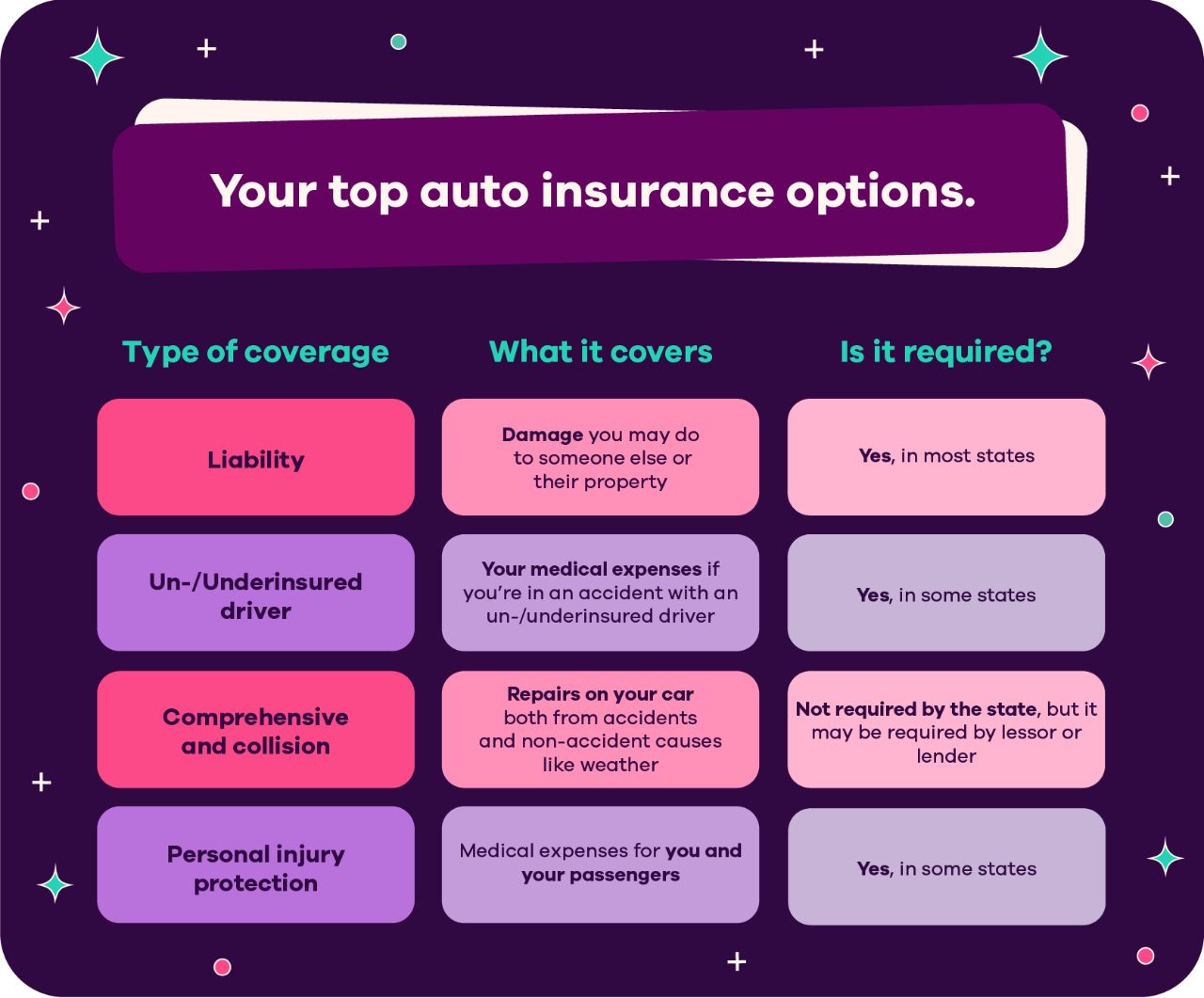
    1. Liability Coverage: This is a fundamental component of auto insurance, providing financial protection if you are at fault in an accident that causes bodily injury or property damage to others. Liability coverage typically includes two components: bodily injury liability and property damage liability.

    2. Collision Coverage: Collision coverage helps pay for damages to your vehicle if it is involved in an accident with another vehicle or object, regardless of who is at fault. This coverage can be particularly valuable for drivers who want to protect their investment in their vehicle.

    3. Comprehensive Coverage: Comprehensive coverage protects your vehicle against damages caused by events other than collisions, such as theft, vandalism, fire, natural disasters, and animal damage. This coverage can provide peace of mind knowing that your vehicle is protected against a wide range of potential hazards.

    4. Uninsured/Underinsured Motorist Coverage: This coverage protects you if you are involved in an accident with a driver who is uninsured or underinsured. It can help pay for your medical expenses, lost wages, and other damages if the at-fault driver does not have adequate insurance coverage.

    5. Medical Payments Coverage: Medical payments coverage helps pay for medical expenses for you and your passengers if you are injured in an accident, regardless of who is at fault. This coverage can be particularly helpful for covering immediate medical bills and related expenses.

    6. Personal Injury Protection (PIP): In some states, PIP coverage is required as part of auto insurance policies. PIP coverage helps pay for medical expenses, lost wages, and other damages for you and your passengers, regardless of who is at fault in an accident.

    In addition to these standard coverage options, Bristol West Insurance may also offer optional coverages such as rental car reimbursement, roadside assistance, and gap insurance. These additional coverages can provide extra protection and convenience for drivers who want more comprehensive coverage.

    Customer Service

    Customer service is a critical aspect of any insurance provider, and Bristol West Insurance strives to provide its customers with responsive and helpful support. Customers can typically contact Bristol West through various channels, including:

    • Phone: Bristol West offers phone support for policy inquiries, claims assistance, and other customer service needs.
    • Online: The company’s website provides access to policy information, online claims filing, and other self-service tools.
    • Mobile App: Bristol West may offer a mobile app that allows customers to manage their policies, file claims, and access other services from their smartphones or tablets.
    • Local Agents: As part of the Farmers Insurance Group, Bristol West customers may also have access to local agents who can provide personalized assistance and support.

    While Bristol West aims to provide quality customer service, customer reviews and feedback can vary. Some customers have reported positive experiences with the company’s customer service representatives, citing their helpfulness and responsiveness. However, other customers have reported issues such as long wait times, difficulty resolving claims, and dissatisfaction with policy changes.

    Financial Stability

    Financial stability is an important consideration when choosing an insurance provider. Bristol West Insurance benefits from being a subsidiary of Farmers Insurance, which is a well-established and financially sound company. Farmers Insurance Group has strong financial ratings from major credit rating agencies, indicating its ability to meet its financial obligations and pay out claims.

    The financial stability of Bristol West Insurance provides reassurance to policyholders that the company will be able to fulfill its obligations in the event of a claim. This is particularly important for drivers who may be more likely to file claims due to their higher-risk profiles.

    Reputation and Ratings

    Bristol West Insurance has a mixed reputation among consumers and industry experts. While the company has a long history of serving non-standard and high-risk drivers, it has also faced criticism for its pricing, customer service, and claims handling.

    Some consumer review websites and organizations have given Bristol West Insurance relatively low ratings, citing concerns about its high premiums and customer service issues. However, other sources have noted the company’s accessibility to drivers who may have difficulty obtaining coverage elsewhere.

    It’s important for consumers to research and compare multiple insurance providers before making a decision, taking into account factors such as coverage options, pricing, customer service, and financial stability. Reading customer reviews and seeking recommendations from trusted sources can also help consumers make informed decisions about their auto insurance needs.

    Pros and Cons

    To provide a balanced perspective, here’s a summary of the pros and cons of Bristol West Insurance:

    Pros:

    • Accessibility: Bristol West specializes in providing coverage to non-standard and high-risk drivers who may have difficulty obtaining insurance from other providers.
    • Coverage Options: The company offers a range of coverage options to meet the diverse needs of its customers, including liability, collision, comprehensive, and uninsured/underinsured motorist coverage.
    • Financial Stability: As a subsidiary of Farmers Insurance, Bristol West benefits from the financial resources and stability of a larger organization.
    • Multiple Channels for Support: Customers can contact Bristol West through phone, online, mobile app, and local agents.

    Cons:

    • Pricing: Bristol West’s premiums may be higher than those of other insurance providers, particularly for drivers with clean driving records.
    • Customer Service: Some customers have reported issues with Bristol West’s customer service, including long wait times and difficulty resolving claims.
    • Reputation: The company has a mixed reputation among consumers and industry experts, with some concerns about its pricing and customer service.

    Conclusion

    Bristol West Insurance offers a valuable service by providing auto insurance to non-standard and high-risk drivers who may struggle to find coverage elsewhere. The company’s range of coverage options, financial stability, and multiple channels for customer support make it a viable option for drivers in need of insurance.

    However, consumers should carefully consider the potential drawbacks of Bristol West Insurance, such as its higher premiums and mixed customer service reputation. It’s essential to compare quotes from multiple insurance providers and read customer reviews before making a decision. By weighing the pros and cons and considering their individual needs and circumstances, consumers can determine whether Bristol West Insurance is the right choice for their auto insurance needs.

  • State Farm Insurance: A Comprehensive Overview

    State Farm Insurance: A Comprehensive Overview

    State Farm Insurance is a well-known and respected name in the insurance industry, providing a wide range of financial products and services to individuals and families. With a history spanning over a century, State Farm has established itself as a reliable and customer-focused company, offering insurance coverage for auto, home, life, and health, as well as banking and investment products. In this article, we will delve into the history, products and services, customer service, financial strength, community involvement, and technological advancements of State Farm Insurance.

    History and Background

    State Farm Insurance: A Comprehensive Overview

    State Farm Insurance was founded in 1922 by George Jacob Mecherle, a retired farmer and insurance salesman. Mecherle recognized the need for affordable auto insurance for farmers, who were often charged higher rates due to their rural locations and perceived higher risk. He established State Farm Mutual Automobile Insurance Company in Bloomington, Illinois, with the goal of providing fair and affordable insurance to farmers.

    From its humble beginnings, State Farm quickly grew and expanded its offerings. In 1926, the company introduced fire insurance for automobiles, and in 1935, it began offering life insurance. Over the years, State Farm continued to diversify its products and services, adding homeowners insurance, health insurance, and banking and investment products to its portfolio.

    Today, State Farm is the largest property and casualty insurance provider in the United States, serving millions of customers across the country. The company operates through a network of independent agents who provide personalized service and guidance to customers. State Farm is known for its financial strength, customer satisfaction, and commitment to community involvement.

    Products and Services

    State Farm Insurance offers a comprehensive range of products and services to meet the diverse needs of its customers. These include:

    • Auto Insurance: State Farm provides auto insurance coverage for a variety of vehicles, including cars, trucks, motorcycles, and recreational vehicles. Their auto insurance policies offer protection against financial losses resulting from accidents, theft, and other covered events. State Farm offers various coverage options, such as liability, collision, comprehensive, and uninsured/underinsured motorist coverage, allowing customers to customize their policies to fit their specific needs and budget.
    • Homeowners Insurance: State Farm offers homeowners insurance to protect homeowners from financial losses due to damage or destruction of their homes and personal property. Their homeowners insurance policies cover a wide range of perils, such as fire, wind, hail, theft, and vandalism. State Farm also offers liability coverage to protect homeowners from financial losses if someone is injured on their property.
    • Life Insurance: State Farm provides life insurance policies to help individuals and families protect their financial future in the event of death. They offer various types of life insurance, including term life, whole life, and universal life insurance. State Farm’s life insurance policies can provide financial security for loved ones, cover funeral expenses, pay off debts, and fund college education.
    • Health Insurance: State Farm offers health insurance coverage to help individuals and families pay for medical expenses. They offer a variety of health insurance plans, including individual and family plans, Medicare supplement plans, and Medicare Advantage plans. State Farm’s health insurance policies cover a wide range of medical services, such as doctor visits, hospital stays, prescription drugs, and preventive care.
    • Banking and Investment Products: State Farm provides banking and investment products to help customers manage their finances and achieve their financial goals. They offer a variety of banking products, such as checking accounts, savings accounts, and credit cards. State Farm also offers investment products, such as mutual funds, annuities, and retirement plans.

    Customer Service

    State Farm Insurance is committed to providing excellent customer service. The company operates through a network of independent agents who provide personalized service and guidance to customers. State Farm’s agents are knowledgeable and experienced insurance professionals who can help customers understand their coverage options and choose the policies that best fit their needs.

    State Farm also provides customer service through its website and mobile app. Customers can use the website and mobile app to access their policy information, pay their bills, file claims, and contact customer service representatives. State Farm’s customer service representatives are available 24/7 to assist customers with their questions and concerns.

    State Farm has received numerous awards and accolades for its customer service. The company has been recognized by J.D. Power for its customer satisfaction in auto insurance, homeowners insurance, and life insurance. State Farm is committed to providing its customers with the best possible service and support.

    Financial Strength

    State Farm Insurance is known for its financial strength and stability. The company has consistently received high ratings from independent rating agencies, such as A.M. Best and Standard & Poor’s. These ratings indicate that State Farm has a strong financial position and is able to meet its obligations to its policyholders.

    State Farm’s financial strength is due to its conservative investment strategy, its diversified product portfolio, and its strong risk management practices. The company invests its assets in a mix of stocks, bonds, and real estate. State Farm’s diversified product portfolio helps to mitigate risk by spreading it across different lines of business. The company’s strong risk management practices help to ensure that it is able to meet its obligations to its policyholders even in the event of a major catastrophe.

    Community Involvement

    State Farm Insurance is committed to giving back to the communities it serves. The company supports a variety of charitable organizations and initiatives, focusing on education, community development, and disaster relief. State Farm’s community involvement programs are designed to make a positive impact on the lives of individuals and families.

    State Farm has partnered with organizations such as Habitat for Humanity, the American Red Cross, and the Boys & Girls Clubs of America. The company provides financial support, volunteer hours, and in-kind donations to these organizations. State Farm also encourages its employees and agents to volunteer in their communities.

    State Farm’s commitment to community involvement is an integral part of its corporate culture. The company believes that it has a responsibility to make a positive impact on the world. State Farm’s community involvement programs are helping to build stronger and more vibrant communities.

    Technological Advancements

    State Farm Insurance is committed to using technology to improve the customer experience. The company has invested heavily in technology to make it easier for customers to access their policy information, pay their bills, file claims, and contact customer service representatives. State Farm’s website and mobile app are user-friendly and provide customers with a convenient way to manage their insurance needs.

    State Farm has also implemented technology to improve its claims processing. The company uses artificial intelligence (AI) and machine learning (ML) to automate certain aspects of the claims process, such as damage assessment and fraud detection. This helps to speed up the claims process and reduce costs.

    State Farm is also exploring the use of new technologies, such as blockchain and the Internet of Things (IoT), to improve its products and services. The company believes that these technologies have the potential to transform the insurance industry. State Farm is committed to staying at the forefront of technological innovation.

    Challenges and Opportunities

    Like any large organization, State Farm Insurance faces various challenges and opportunities in the ever-evolving insurance landscape. Some of the key challenges include:

    • Increasing Competition: The insurance industry is highly competitive, with numerous companies vying for market share. State Farm faces competition from both traditional insurance companies and new entrants, such as insurtech startups.
    • Changing Customer Expectations: Customers’ expectations are constantly evolving, driven by technological advancements and changing lifestyles. State Farm must adapt to these changing expectations by providing personalized service, convenient digital tools, and innovative products.
    • Regulatory Complexity: The insurance industry is heavily regulated, with different rules and regulations in each state. State Farm must navigate this complex regulatory environment to ensure compliance and avoid legal issues.
    • Climate Change: Climate change is increasing the frequency and severity of natural disasters, such as hurricanes, wildfires, and floods. State Farm must adapt to these changes by developing new risk management strategies and offering insurance coverage that protects its customers from the impacts of climate change.

    Despite these challenges, State Farm also has numerous opportunities to grow and thrive in the future. Some of the key opportunities include:

    • Expanding its Product Portfolio: State Farm can expand its product portfolio by offering new insurance products and services that meet the evolving needs of its customers. This could include cyber insurance, pet insurance, and travel insurance.
    • Leveraging Technology: State Farm can leverage technology to improve its operations, enhance the customer experience, and develop new products and services. This could include using AI and ML to automate claims processing, using IoT to monitor risk, and using blockchain to improve transparency and security.
    • Expanding its Geographic Reach: State Farm can expand its geographic reach by entering new markets and serving new customer segments. This could include expanding into international markets or targeting underserved populations.
    • Building Strategic Partnerships: State Farm can build strategic partnerships with other companies to expand its capabilities and reach. This could include partnering with insurtech startups to develop new products and services or partnering with retailers to offer insurance through their stores.

    Conclusion

    State Farm Insurance is a leading provider of insurance and financial services, with a long history of serving its customers and communities. The company offers a comprehensive range of products and services, including auto, home, life, and health insurance, as well as banking and investment products. State Farm is known for its financial strength, customer service, community involvement, and technological advancements.

    While State Farm faces challenges such as increasing competition, changing customer expectations, regulatory complexity, and climate change, it also has numerous opportunities to grow and thrive in the future. By expanding its product portfolio, leveraging technology, expanding its geographic reach, and building strategic partnerships, State Farm can continue to be a leader in the insurance industry for many years to come.

  • Allianz Online

    Okay, here’s a comprehensive article about Allianz Online, covering various aspects and aiming for a word count of around 2500 words. I’ve focused on providing valuable information, analysis, and potential benefits for the reader.

    Allianz Online: Navigating the Digital Landscape of Insurance

    In today’s rapidly evolving digital age, traditional industries are undergoing significant transformations, and the insurance sector is no exception. Allianz, a global leader in insurance and asset management, has embraced this shift with the development of Allianz Online, a digital platform designed to provide customers with convenient access to a range of insurance products and services. This article delves into the intricacies of Allianz Online, exploring its features, benefits, challenges, and its role in shaping the future of insurance.

    allianz online

    What is Allianz Online?

    Allianz Online represents Allianz’s commitment to meeting the changing needs of its customers by offering a digital channel for insurance solutions. It’s more than just a website; it’s a comprehensive platform that allows users to:

    • Browse and Compare Products: Explore a diverse portfolio of insurance offerings, including car insurance, home insurance, travel insurance, life insurance, and more. The platform provides detailed product information, allowing customers to compare coverage options and premiums.
    • Obtain Quotes: Receive instant, personalized quotes based on individual needs and circumstances. This eliminates the need for lengthy phone calls or in-person meetings with agents.
    • Purchase Policies: Complete the entire insurance purchase process online, from application to payment. The platform offers secure payment gateways and digital policy documents.
    • Manage Policies: Access and manage existing insurance policies, including updating personal information, making payments, filing claims, and downloading policy documents.
    • File Claims: Initiate and track insurance claims online, streamlining the claims process and providing greater transparency.
    • Access Customer Support: Connect with Allianz customer support through various channels, including online chat, email, and phone.
    • Find an Agent (Potentially): While primarily online, some Allianz Online platforms may offer the option to connect with a local agent for personalized advice or assistance.

    Key Features and Functionalities:

    Allianz Online boasts a range of features designed to enhance the user experience and simplify the insurance process:

    • User-Friendly Interface: The platform is designed with a clean, intuitive interface that is easy to navigate, even for users with limited technical skills.
    • Mobile Responsiveness: Allianz Online is optimized for mobile devices, allowing users to access and manage their insurance policies from anywhere, at any time.
    • Personalized Recommendations: Based on user data and preferences, the platform can provide personalized insurance recommendations tailored to individual needs.
    • Secure Platform: Allianz Online utilizes robust security measures to protect user data and ensure the confidentiality of sensitive information. This includes encryption, multi-factor authentication, and regular security audits.
    • Transparent Pricing: The platform provides clear and transparent pricing information, allowing customers to understand the costs associated with different insurance policies.
    • Educational Resources: Allianz Online often includes educational resources, such as articles, FAQs, and glossaries, to help customers understand insurance concepts and make informed decisions.
    • Comparison Tools: Users can easily compare different insurance policies side-by-side, highlighting the key differences in coverage, premiums, and deductibles.
    • Online Chat Support: Real-time chat support is often available to answer questions and provide assistance throughout the insurance process.
    • Self-Service Options: The platform empowers users to manage their policies independently, reducing the need to contact customer service for routine tasks.

    Benefits of Using Allianz Online:

    Allianz Online offers several compelling benefits for customers:

    • Convenience: Access insurance products and services from anywhere, at any time, without the need to visit a physical office or speak to an agent in person.
    • Speed: Obtain quotes, purchase policies, and file claims quickly and efficiently online.
    • Transparency: Access clear and transparent pricing information and policy details.
    • Control: Manage your insurance policies independently through self-service options.
    • Cost Savings: Online platforms often offer competitive pricing due to lower overhead costs. Allianz Online may also offer exclusive online discounts.
    • Personalization: Receive personalized insurance recommendations based on your individual needs and preferences.
    • Accessibility: Allianz Online makes insurance more accessible to a wider range of customers, including those who live in remote areas or have limited mobility.
    • 24/7 Availability: Access the platform and manage your policies around the clock.
    • Reduced Paperwork: Digital policy documents and online claims processing reduce the need for paper-based communication.
    • Improved Customer Experience: The platform is designed to provide a seamless and user-friendly experience, making insurance easier to understand and manage.

    The Impact on Allianz and the Insurance Industry:

    Allianz Online is not just a convenience for customers; it also has a significant impact on Allianz and the broader insurance industry:

    • Increased Efficiency: Automated processes and online self-service options reduce administrative costs and improve operational efficiency.
    • Expanded Reach: The platform allows Allianz to reach a wider customer base, including those who prefer to interact online.
    • Enhanced Customer Engagement: Online channels provide opportunities for more frequent and personalized communication with customers.
    • Data-Driven Insights: Allianz Online generates valuable data about customer behavior and preferences, which can be used to improve products, services, and marketing efforts.
    • Competitive Advantage: A strong online presence helps Allianz to differentiate itself from competitors and attract new customers.
    • Innovation: Allianz Online serves as a platform for innovation, allowing the company to experiment with new products, services, and technologies.
    • Digital Transformation: Allianz Online is a key component of Allianz’s broader digital transformation strategy, helping the company to adapt to the changing needs of the market.
    • Shifting Roles of Agents: While online platforms grow, the role of human agents shifts to advisory roles for more complex cases. Allianz can leverage online presence for lead generation.

    Challenges and Considerations:

    While Allianz Online offers numerous benefits, there are also some challenges and considerations to address:

    • Cybersecurity: Protecting user data and preventing cyberattacks is a critical concern for any online platform, especially in the financial services industry. Allianz must invest in robust security measures to safeguard its customers’ information.
    • Data Privacy: Collecting and using customer data raises privacy concerns. Allianz must be transparent about its data practices and comply with all relevant privacy regulations.
    • Digital Divide: Not all customers have access to reliable internet access or the necessary technical skills to use online platforms. Allianz must ensure that its services are accessible to all customers, regardless of their digital literacy.
    • Customer Support: Providing effective customer support through online channels is essential. Allianz must invest in training its customer service representatives and developing user-friendly online support resources.
    • Integration with Existing Systems: Integrating Allianz Online with the company’s existing systems can be complex and challenging. Allianz must ensure that the platform is seamlessly integrated with its core business processes.
    • Maintaining a Human Touch: While online platforms offer convenience, it’s important to maintain a human touch and provide personalized service when needed. Allianz must strike a balance between automation and human interaction.
    • Regulatory Compliance: The insurance industry is heavily regulated. Allianz must ensure that its online platform complies with all relevant regulations in each market where it operates.
    • Fraud Prevention: Online platforms are susceptible to fraud. Allianz needs to implement robust fraud detection and prevention measures.
    • Keeping up with Technological Advancements: The digital landscape is constantly evolving. Allianz must continuously update its platform and adopt new technologies to remain competitive.

    The Future of Allianz Online:

    The future of Allianz Online is likely to be shaped by several key trends:

    • Artificial Intelligence (AI): AI-powered chatbots and virtual assistants will provide personalized customer support and automate routine tasks.
    • Data Analytics: Advanced data analytics will be used to personalize insurance products and pricing, identify fraudulent claims, and improve customer experience.
    • Internet of Things (IoT): IoT devices will be used to collect data about customer behavior and risks, enabling more personalized and proactive insurance solutions. For example, telematics in cars for usage-based insurance.
    • Blockchain Technology: Blockchain technology could be used to improve the security and transparency of insurance transactions.
    • Personalized Insurance: Insurance products will become increasingly personalized, tailored to the individual needs and circumstances of each customer.
    • Embedded Insurance: Insurance products will be increasingly embedded into other digital experiences, such as e-commerce platforms and mobile apps.
    • Focus on Prevention: Insurance companies will increasingly focus on preventing losses, rather than just paying out claims.
    • Enhanced Mobile Experience: Mobile apps will become even more central to the insurance experience, providing a seamless and convenient way to manage policies, file claims, and access customer support.
    • Greater Transparency: Customers will demand greater transparency in pricing and policy terms. Allianz Online will need to provide clear and easy-to-understand information.

    Conclusion:

    Allianz Online represents a significant step forward in the digital transformation of the insurance industry. By providing customers with convenient access to insurance products and services online, Allianz is enhancing the customer experience, improving efficiency, and expanding its reach. While there are challenges to address, the potential benefits of Allianz Online are significant. As technology continues to evolve, Allianz Online is poised to play an increasingly important role in shaping the future of insurance. By embracing innovation and focusing on customer needs, Allianz can solidify its position as a leader in the digital insurance landscape. The platform is not just about selling insurance; it’s about building long-term relationships with customers by providing them with the tools and resources they need to manage their risks and protect their assets. The continued success of Allianz Online will depend on its ability to adapt to the changing needs of the market and provide a truly exceptional customer experience.

  • Frugal Insurance: Balancing Coverage And Cost-Effectiveness

    Frugal Insurance: Balancing Coverage and Cost-Effectiveness

    In today’s world, where financial prudence is highly valued, frugal insurance has emerged as a sensible approach to protecting assets and mitigating risks without breaking the bank. Frugal insurance is about finding the sweet spot between adequate coverage and affordable premiums, allowing individuals and families to safeguard their financial well-being without compromising their long-term financial goals.

    Understanding Frugal Insurance

    Frugal Insurance: Balancing Coverage and Cost-Effectiveness

    Frugal insurance is not about skimping on necessary coverage or leaving oneself vulnerable to financial ruin. Instead, it’s a strategic approach to insurance planning that involves carefully assessing risks, understanding insurance options, and making informed decisions to optimize coverage while minimizing costs.

    The core principles of frugal insurance include:

    1. Risk Assessment: Identifying and evaluating potential risks that could lead to financial losses.
    2. Coverage Prioritization: Determining the most critical risks to insure against and prioritizing coverage accordingly.
    3. Policy Comparison: Shopping around and comparing insurance policies from multiple providers to find the best value for money.
    4. Deductible Optimization: Selecting the optimal deductible level to balance premium costs and out-of-pocket expenses.
    5. Coverage Customization: Tailoring insurance policies to meet specific needs and avoiding unnecessary add-ons.
    6. Regular Review: Periodically reviewing insurance coverage to ensure it remains adequate and cost-effective.

    Benefits of Frugal Insurance

    Frugal insurance offers several benefits, including:

    1. Cost Savings: By carefully selecting coverage and optimizing policy features, individuals can significantly reduce their insurance premiums.
    2. Financial Security: Frugal insurance provides peace of mind knowing that financial assets are protected against unforeseen events.
    3. Budget Management: Lower insurance premiums free up funds for other financial goals, such as saving for retirement or investing in education.
    4. Customized Coverage: Frugal insurance allows individuals to tailor their coverage to their specific needs and circumstances, avoiding unnecessary expenses.
    5. Long-Term Financial Planning: By managing insurance costs effectively, individuals can improve their overall financial stability and achieve their long-term financial goals.

    Types of Frugal Insurance

    Frugal insurance principles can be applied to various types of insurance, including:

    1. Auto Insurance:

      • Liability Coverage: Meet the minimum legal requirements for liability coverage to avoid penalties and protect against financial losses in case of an accident.
      • Collision and Comprehensive Coverage: Consider the value of your vehicle and your risk tolerance when deciding whether to purchase collision and comprehensive coverage.
      • Deductible Optimization: Choose a higher deductible to lower your premium, but make sure you can afford to pay the deductible in case of an accident.
      • Discounts: Take advantage of discounts for safe driving, good grades, or bundling multiple policies.
    2. Home Insurance:

      • Coverage Amount: Ensure your home insurance policy covers the full replacement cost of your home and personal belongings.
      • Deductible Optimization: Choose a higher deductible to lower your premium, but make sure you can afford to pay the deductible in case of a claim.
      • Discounts: Take advantage of discounts for having a security system, smoke detectors, or a new roof.
      • Bundling: Bundle your home and auto insurance policies with the same provider to save money.
    3. Health Insurance:

      • Plan Selection: Choose a health insurance plan that meets your healthcare needs and budget.
      • Deductible Optimization: Consider the deductible, copays, and coinsurance when selecting a health insurance plan.
      • Preventive Care: Take advantage of preventive care services to stay healthy and avoid costly medical bills.
      • Generic Medications: Ask your doctor about generic medications to save money on prescription drugs.
    4. Life Insurance:

      • Coverage Amount: Determine the appropriate amount of life insurance coverage based on your financial obligations and dependents’ needs.
      • Term Life Insurance: Consider term life insurance for affordable coverage during a specific period, such as while raising children or paying off a mortgage.
      • Whole Life Insurance: Whole life insurance offers lifelong coverage and a cash value component, but it is typically more expensive than term life insurance.
      • Shop Around: Compare life insurance quotes from multiple providers to find the best rates.

    Tips for Practicing Frugal Insurance

    1. Assess Your Risks: Identify and evaluate potential risks that could lead to financial losses.
    2. Prioritize Coverage: Determine the most critical risks to insure against and prioritize coverage accordingly.
    3. Shop Around: Compare insurance policies from multiple providers to find the best value for money.
    4. Optimize Deductibles: Select the optimal deductible level to balance premium costs and out-of-pocket expenses.
    5. Customize Coverage: Tailor insurance policies to meet specific needs and avoid unnecessary add-ons.
    6. Bundle Policies: Bundle multiple insurance policies with the same provider to save money.
    7. Take Advantage of Discounts: Inquire about discounts for safe driving, good grades, or having safety features in your home.
    8. Review Coverage Regularly: Periodically review insurance coverage to ensure it remains adequate and cost-effective.
    9. Maintain a Good Credit Score: A good credit score can help you qualify for lower insurance rates.
    10. Pay Premiums on Time: Paying premiums on time can help you avoid late fees and maintain continuous coverage.

    Common Mistakes to Avoid

    1. Underinsuring: Failing to purchase adequate coverage to protect against potential losses.
    2. Overinsuring: Purchasing unnecessary coverage that does not provide significant value.
    3. Ignoring Deductibles: Not understanding how deductibles work and how they affect premium costs.
    4. Failing to Shop Around: Not comparing insurance policies from multiple providers to find the best rates.
    5. Neglecting Policy Reviews: Not periodically reviewing insurance coverage to ensure it remains adequate and cost-effective.

    Conclusion

    Frugal insurance is a smart and responsible approach to protecting your financial well-being without overspending on insurance premiums. By carefully assessing risks, prioritizing coverage, shopping around for the best rates, and optimizing policy features, you can find the right balance between adequate coverage and affordability. Remember, frugal insurance is not about cutting corners or sacrificing necessary protection; it’s about making informed decisions to maximize the value of your insurance coverage and safeguard your financial future.

  • 21st Century Insurance: Redefining Insurance In The Modern Era

    21st Century Insurance: Redefining Insurance in the Modern Era

    In the dynamic landscape of the 21st century, the insurance industry has undergone a profound transformation, driven by technological advancements, evolving consumer expectations, and the increasing complexity of risks. 21st Century Insurance, a prominent player in the insurance market, has emerged as a frontrunner in this evolution, adapting to the changing needs of customers and leveraging technology to deliver innovative and customer-centric insurance solutions.

    A Legacy of Innovation and Customer Focus

    21st Century Insurance: Redefining Insurance in the Modern Era

    Founded in 1958 as 20th Century Insurance Company, the company initially focused on providing affordable auto insurance to California residents. Over the years, the company expanded its product offerings and geographical reach, embracing technology to streamline operations and enhance customer service. In 1997, the company rebranded as 21st Century Insurance, signaling its commitment to embracing the digital age and providing cutting-edge insurance solutions.

    Today, 21st Century Insurance is a subsidiary of Farmers Insurance Group, one of the nation’s largest and most respected insurance providers. This affiliation provides 21st Century Insurance with the financial strength and stability to meet the evolving needs of its customers.

    Embracing Technology to Enhance Customer Experience

    21st Century Insurance has been at the forefront of leveraging technology to transform the insurance experience. The company’s online platform and mobile app provide customers with convenient access to policy information, claims processing, and customer support.

    • Online Quotes and Policy Management: Customers can obtain instant online quotes for auto, home, and renters insurance, allowing them to compare rates and coverage options from the comfort of their homes. The online platform also enables customers to manage their policies, make payments, and update their information.

    • Mobile App for On-the-Go Access: The 21st Century Insurance mobile app provides customers with 24/7 access to their policy information, claims status, and customer support. Customers can also use the app to file claims, upload photos of damage, and track the progress of their claims.

    • AI-Powered Claims Processing: 21st Century Insurance has implemented artificial intelligence (AI) to automate and expedite the claims process. AI-powered systems can analyze claims data, identify potential fraud, and route claims to the appropriate adjusters, reducing processing times and improving accuracy.

    • Chatbots for Instant Customer Support: 21st Century Insurance utilizes chatbots to provide instant customer support around the clock. Chatbots can answer frequently asked questions, provide policy information, and guide customers through the claims process.

    A Comprehensive Range of Insurance Products

    21st Century Insurance offers a wide range of insurance products to meet the diverse needs of its customers, including:

    • Auto Insurance: 21st Century Insurance provides comprehensive auto insurance coverage, including liability, collision, comprehensive, and uninsured/underinsured motorist protection. The company also offers a variety of discounts to help customers save money on their auto insurance premiums.

    • Home Insurance: 21st Century Insurance offers homeowners insurance policies that protect homeowners from financial losses due to fire, theft, vandalism, and other covered perils. The company also offers optional coverages, such as flood insurance and earthquake insurance.

    • Renters Insurance: 21st Century Insurance provides renters insurance policies that protect renters from financial losses due to theft, fire, and other covered perils. Renters insurance also provides liability coverage in case someone is injured on the renter’s property.

    • Motorcycle Insurance: 21st Century Insurance offers motorcycle insurance policies that protect motorcycle riders from financial losses due to accidents, theft, and other covered perils.

    Commitment to Affordability and Value

    21st Century Insurance is committed to providing affordable insurance solutions without compromising on quality or coverage. The company offers a variety of discounts to help customers save money on their insurance premiums, including:

    • Safe Driver Discount: Customers who have a clean driving record are eligible for a safe driver discount.

    • Good Student Discount: Students who maintain a good grade point average are eligible for a good student discount.

    • Multi-Policy Discount: Customers who bundle their auto and home insurance policies with 21st Century Insurance are eligible for a multi-policy discount.

    • Affinity Group Discounts: 21st Century Insurance partners with various organizations and associations to offer exclusive discounts to their members.

    Addressing the Evolving Needs of the 21st Century Customer

    21st Century Insurance recognizes that the needs of insurance customers are constantly evolving. The company is committed to staying ahead of the curve by:

    • Developing New Products and Services: 21st Century Insurance is continuously developing new products and services to meet the emerging needs of its customers. For example, the company offers usage-based insurance programs that reward safe driving habits with lower premiums.

    • Personalizing the Customer Experience: 21st Century Insurance is using data analytics to personalize the customer experience. By understanding customers’ individual needs and preferences, the company can provide tailored recommendations and support.

    • Investing in Innovation: 21st Century Insurance is committed to investing in innovation to improve its products, services, and customer experience. The company is exploring new technologies, such as blockchain and the Internet of Things, to enhance its operations and provide customers with even greater value.

    Challenges and Opportunities in the 21st Century Insurance Landscape

    The insurance industry faces several challenges and opportunities in the 21st century, including:

    • Increasing Competition: The insurance market is becoming increasingly competitive, with new entrants and established players vying for market share. 21st Century Insurance must continue to innovate and differentiate itself to remain competitive.

    • Rising Claims Costs: Claims costs are rising due to factors such as increasing medical costs, more frequent and severe weather events, and distracted driving. 21st Century Insurance must manage claims costs effectively to maintain profitability.

    • Evolving Regulatory Landscape: The insurance industry is subject to a complex and evolving regulatory landscape. 21st Century Insurance must comply with all applicable regulations to avoid penalties and maintain its reputation.

    • Technological Disruption: Technology is disrupting the insurance industry, with new technologies such as AI, blockchain, and the Internet of Things transforming the way insurance is priced, sold, and managed. 21st Century Insurance must embrace technological innovation to remain competitive.

    • Changing Customer Expectations: Customers’ expectations of insurance companies are changing. Customers expect personalized service, convenient access to information, and seamless claims processing. 21st Century Insurance must meet these expectations to retain customers and attract new ones.

    Looking Ahead: The Future of 21st Century Insurance

    21st Century Insurance is well-positioned to thrive in the evolving insurance landscape. The company’s commitment to innovation, customer focus, and affordability, combined with its strong financial foundation, will enable it to meet the challenges and opportunities of the 21st century.

    In the years to come, 21st Century Insurance will continue to:

    • Leverage technology to enhance the customer experience.
    • Develop new products and services to meet the evolving needs of customers.
    • Personalize the customer experience through data analytics.
    • Invest in innovation to improve its products, services, and operations.
    • Maintain its commitment to affordability and value.

    By embracing these strategies, 21st Century Insurance will continue to redefine insurance in the modern era and provide customers with the peace of mind they deserve.

    Conclusion

    21st Century Insurance has emerged as a leader in the insurance industry by embracing technology, prioritizing customer service, and offering a comprehensive range of affordable insurance products. The company’s commitment to innovation and its ability to adapt to the changing needs of customers have positioned it for continued success in the years to come. As the insurance landscape continues to evolve, 21st Century Insurance will remain at the forefront, providing customers with the peace of mind and protection they need in the 21st century.

  • Navigating The Road To Protection: Your Guide To The Best Car Insurance Options

    Navigating the Road to Protection: Your Guide to the Best Car Insurance Options

    Driving is an integral part of modern life, offering freedom and convenience. However, with every journey, there’s an inherent risk. Car insurance acts as a crucial safety net, shielding you from financial burdens in case of accidents, theft, or damage. But with a plethora of options available, choosing the right car insurance can feel like navigating a complex maze. This comprehensive guide aims to simplify the process, equipping you with the knowledge to make informed decisions and secure the best car insurance for your needs.

    Understanding the Basics: Decoding Car Insurance Jargon

    Navigating the Road to Protection: Your Guide to the Best Car Insurance Options

    Before diving into the specifics, it’s essential to grasp the fundamental concepts of car insurance. Here’s a breakdown of common terms:

    • Premium: The amount you pay regularly (monthly, quarterly, or annually) to maintain your insurance coverage.
    • Deductible: The amount you pay out-of-pocket before your insurance coverage kicks in. A higher deductible typically results in a lower premium, and vice versa.
    • Coverage: The extent of protection provided by your insurance policy. Different types of coverage address various scenarios.
    • Liability Coverage: This covers damages and injuries you cause to others in an accident where you’re at fault. It’s often mandated by law.
    • Collision Coverage: This covers damage to your vehicle resulting from a collision with another vehicle or object, regardless of who’s at fault.
    • Comprehensive Coverage: This covers damage to your vehicle from non-collision events such as theft, vandalism, fire, natural disasters, or animal strikes.
    • Uninsured/Underinsured Motorist Coverage: This protects you if you’re hit by a driver who has no insurance or insufficient insurance to cover your damages.
    • Personal Injury Protection (PIP): This covers medical expenses and lost wages for you and your passengers, regardless of who’s at fault. (Note: availability varies by state).

    Exploring the Spectrum: Types of Car Insurance Policies

    Car insurance policies aren’t one-size-fits-all. They come in various forms, each designed to cater to specific needs and circumstances.

    1. Liability-Only Policies:

      • Coverage: Covers bodily injury and property damage to others if you’re at fault in an accident.
      • Pros: Most affordable option, meets minimum legal requirements in many states.
      • Cons: Doesn’t cover damage to your vehicle.
      • Ideal For: Drivers with older, less valuable vehicles or those seeking the most budget-friendly option.
    2. Collision and Comprehensive Policies:

      • Coverage: Combines collision and comprehensive coverage to protect your vehicle from a wide range of incidents.
      • Pros: Provides extensive protection for your vehicle, regardless of fault.
      • Cons: More expensive than liability-only policies.
      • Ideal For: Drivers with newer or more valuable vehicles, or those who want comprehensive protection.
    3. Uninsured/Underinsured Motorist Policies:

      • Coverage: Protects you if you’re hit by a driver with no insurance or insufficient coverage.
      • Pros: Provides financial security in case of an accident with an underinsured or uninsured driver.
      • Cons: May not be required in all states.
      • Ideal For: Drivers who want to protect themselves from the financial consequences of accidents caused by uninsured or underinsured drivers.
    4. Personal Injury Protection (PIP) Policies:

      • Coverage: Covers medical expenses and lost wages for you and your passengers, regardless of fault.
      • Pros: Provides quick access to medical care and income replacement after an accident.
      • Cons: Availability varies by state.
      • Ideal For: Drivers in states with no-fault insurance laws or those who want additional protection for medical expenses.

    Beyond the Basics: Additional Coverage Options

    In addition to the core coverage types, many insurance companies offer optional add-ons to enhance your protection:

    • Gap Insurance: Covers the difference between your vehicle’s value and the amount you owe on your loan if your car is totaled.
    • Rental Car Reimbursement: Pays for a rental car while your vehicle is being repaired after a covered accident.
    • Roadside Assistance: Provides services like towing, jump-starts, and tire changes if you’re stranded on the road.
    • Accident Forgiveness: Prevents your premium from increasing after your first at-fault accident.

    Choosing the Right Coverage: A Personalized Approach

    Selecting the appropriate car insurance coverage requires a personalized approach, considering your individual circumstances and risk tolerance. Here’s a step-by-step guide to help you make the right choices:

    1. Assess Your Needs:

      • Vehicle Value: Consider the age and value of your vehicle. If you have an older, less valuable car, liability-only coverage might suffice. For newer or more valuable vehicles, collision and comprehensive coverage are recommended.
      • Driving Habits: Evaluate your driving frequency, commute distance, and typical driving conditions. If you drive frequently in high-traffic areas or adverse weather, you might benefit from more comprehensive coverage.
      • Financial Situation: Determine how much you can afford to pay out-of-pocket in the event of an accident. Choose a deductible that aligns with your budget and risk tolerance.
      • State Requirements: Understand the minimum insurance requirements in your state. Ensure your policy meets these legal obligations.
    2. Shop Around and Compare Quotes:

      • Online Comparison Tools: Utilize online comparison websites to gather quotes from multiple insurance companies simultaneously.
      • Direct Quotes: Contact insurance companies directly to obtain personalized quotes.
      • Independent Agents: Consult with independent insurance agents who can provide quotes from various carriers and offer unbiased advice.
    3. Evaluate Coverage Options:

      • Liability Limits: Choose liability limits that adequately protect your assets in case you’re sued after an accident.
      • Collision and Comprehensive Deductibles: Select deductibles that balance affordability with the amount you’re willing to pay out-of-pocket.
      • Additional Coverage: Consider adding optional coverage like gap insurance, rental car reimbursement, or roadside assistance based on your specific needs.
    4. Review Policy Details:

      • Exclusions: Carefully review the policy’s exclusions to understand what events are not covered.
      • Terms and Conditions: Familiarize yourself with the policy’s terms and conditions, including cancellation policies and claim procedures.
      • Discounts: Inquire about available discounts, such as safe driver discounts, multi-policy discounts, or student discounts.

    Top Car Insurance Providers: A Glimpse at the Market Leaders

    The car insurance market is populated by numerous providers, each with its strengths and weaknesses. Here’s a brief overview of some of the leading companies:

    • State Farm: Known for its extensive network of local agents and strong customer service.
    • GEICO: Renowned for its competitive rates and user-friendly online platform.
    • Progressive: Offers a wide range of coverage options and innovative features like Snapshot (a usage-based insurance program).
    • Allstate: Provides a comprehensive suite of insurance products and services, including accident forgiveness and deductible rewards.
    • USAA: Exclusively serves military members, veterans, and their families, offering exceptional rates and benefits.

    Factors Influencing Car Insurance Rates: Unveiling the Pricing Puzzle

    Car insurance rates are determined by a complex algorithm that considers various factors:

    • Driving Record: A clean driving record with no accidents or traffic violations typically results in lower rates.
    • Age and Gender: Younger drivers and male drivers often pay higher rates due to statistical risk factors.
    • Vehicle Type: The make, model, and year of your vehicle influence insurance rates. Sports cars and luxury vehicles tend to be more expensive to insure.
    • Location: Insurance rates vary by location due to factors like traffic density, accident rates, and crime rates.
    • Credit Score: In many states, insurance companies use credit scores to assess risk. A higher credit score can lead to lower rates.
    • Coverage Choices: The type and amount of coverage you select significantly impact your premium.

    Tips for Saving Money on Car Insurance: Smart Strategies for Lower Rates

    While car insurance is a necessity, there are several strategies you can employ to reduce your premiums:

    • Shop Around Regularly: Compare quotes from multiple insurance companies periodically to ensure you’re getting the best rate.
    • Increase Your Deductible: Opting for a higher deductible can lower your premium.
    • Bundle Your Insurance: Combining your car insurance with other policies, such as home or renters insurance, can qualify you for a multi-policy discount.
    • Maintain a Good Driving Record: Avoid accidents and traffic violations to keep your driving record clean.
    • Improve Your Credit Score: Pay your bills on time and manage your debt responsibly to improve your credit score.
    • Take a Defensive Driving Course: Completing a defensive driving course can qualify you for a discount.
    • Review Your Coverage Annually: Reassess your coverage needs each year to ensure you’re not paying for unnecessary protection.

    The Claims Process: Navigating the Aftermath of an Accident

    In the unfortunate event of an accident, knowing how to file a claim is crucial:

    1. Report the Accident: Contact your insurance company as soon as possible to report the accident.
    2. Gather Information: Exchange information with the other driver, including insurance details and contact information.
    3. Document the Scene: Take photos of the damage to all vehicles involved and the accident scene.
    4. File a Police Report: If there are injuries or significant damage, file a police report.
    5. Cooperate with the Insurance Company: Provide the insurance company with all requested information and documentation.
    6. Review the Settlement Offer: Carefully review the settlement offer from the insurance company before accepting it.

    The Future of Car Insurance: Emerging Trends and Technologies

    The car insurance industry is constantly evolving, driven by technological advancements and changing consumer preferences. Here are some emerging trends to watch:

    • Usage-Based Insurance (UBI): UBI programs track your driving behavior using telematics devices or smartphone apps. Safe drivers can earn discounts based on their driving habits.
    • Autonomous Vehicles: The rise of self-driving cars will likely transform the car insurance landscape, shifting liability from drivers to manufacturers or technology providers.
    • Cybersecurity Risks: As cars become more connected, cybersecurity risks are increasing. Insurance companies may offer coverage to protect against hacking and data breaches.
    • Personalized Insurance: Insurers are leveraging data analytics to create more personalized insurance products and pricing.

    Conclusion: Empowering Your Car Insurance Journey

    Choosing the right car insurance is a critical decision that protects your financial well-being and provides peace of mind on the road. By understanding the basics, exploring your coverage options, comparing quotes, and considering your individual needs, you can navigate the car insurance landscape with confidence. Remember to shop around regularly, maintain a good driving record, and take advantage of available discounts to save money on your premiums. With the right car insurance in place, you can embark on your journeys with the assurance that you’re well-protected.