Kategori: Insurance

  • Seguro Univista: Bridging The Gap In Healthcare Access For The Hispanic Community

    Seguro Univista: Bridging the Gap in Healthcare Access for the Hispanic Community

    In the United States, access to quality healthcare remains a significant challenge for many, particularly within the Hispanic community. Language barriers, cultural differences, lack of insurance coverage, and complex healthcare systems all contribute to disparities in healthcare access and outcomes. Seguro Univista, a company dedicated to serving the Hispanic community, has emerged as a vital resource in addressing these challenges. Through their comprehensive range of insurance products, educational resources, and personalized services, Seguro Univista is empowering individuals and families to navigate the healthcare system with confidence and achieve better health outcomes.

    Understanding the Healthcare Disparities Faced by the Hispanic Community
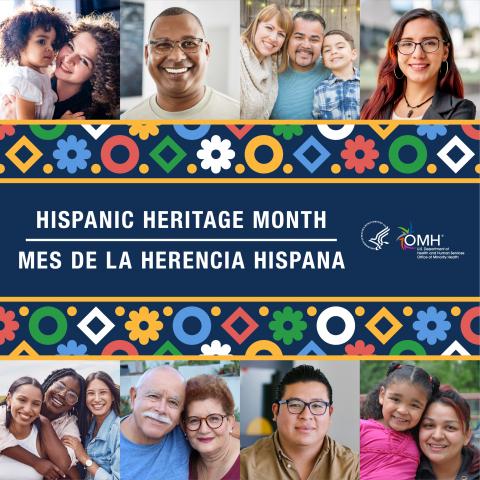
    Seguro Univista: Bridging the Gap in Healthcare Access for the Hispanic Community

    The Hispanic population in the United States has grown significantly in recent decades, becoming one of the largest and fastest-growing minority groups. However, despite their growing presence, Hispanics continue to face significant disparities in healthcare access and outcomes. These disparities stem from a complex interplay of factors, including:

    • Lack of Insurance Coverage: Hispanics are disproportionately uninsured compared to other racial and ethnic groups. This lack of insurance coverage often prevents individuals from seeking timely medical care, leading to delayed diagnoses, poorer health outcomes, and increased healthcare costs in the long run.

    • Language Barriers: Language barriers can create significant obstacles to accessing and understanding healthcare information. Many Hispanics may not be fluent in English, making it difficult to communicate effectively with healthcare providers, understand medical instructions, and navigate complex healthcare systems.

    • Cultural Differences: Cultural differences can also play a role in healthcare disparities. Different cultural beliefs and practices regarding health and illness can influence how individuals perceive and seek medical care. Additionally, cultural sensitivity among healthcare providers is crucial for building trust and providing culturally appropriate care.

    • Socioeconomic Factors: Socioeconomic factors such as poverty, lack of education, and limited access to transportation can further exacerbate healthcare disparities. These factors can limit individuals’ ability to afford healthcare services, access transportation to medical appointments, and understand health information.

    Seguro Univista: A Comprehensive Approach to Healthcare Access

    Seguro Univista recognizes the unique challenges faced by the Hispanic community and has developed a comprehensive approach to address these disparities. Their services encompass a range of insurance products, educational resources, and personalized support, all designed to empower individuals and families to take control of their health and well-being.

    Insurance Products Tailored to the Hispanic Community

    Seguro Univista offers a variety of insurance products tailored to meet the specific needs of the Hispanic community. These products include:

    • Health Insurance: Seguro Univista offers a range of health insurance plans, including individual and family plans, as well as Medicare and Medicaid options. These plans provide coverage for essential medical services, such as doctor visits, hospital stays, prescription drugs, and preventive care.

    • Dental Insurance: Dental health is an essential component of overall health, yet many Hispanics lack access to dental care. Seguro Univista offers dental insurance plans that provide coverage for preventive dental care, such as cleanings and exams, as well as restorative treatments, such as fillings and crowns.

    • Vision Insurance: Vision problems can affect individuals of all ages and can impact their ability to work, learn, and participate in daily activities. Seguro Univista offers vision insurance plans that provide coverage for eye exams, eyeglasses, and contact lenses.

    • Life Insurance: Life insurance provides financial protection for families in the event of a death. Seguro Univista offers a variety of life insurance options to help families protect their financial future and ensure that their loved ones are taken care of.

    Educational Resources: Empowering Informed Decisions

    Seguro Univista understands that knowledge is power when it comes to healthcare. They provide a wealth of educational resources to help individuals understand their insurance options, navigate the healthcare system, and make informed decisions about their health. These resources include:

    • Bilingual Website and Materials: Seguro Univista’s website and marketing materials are available in both English and Spanish, ensuring that language barriers do not prevent individuals from accessing important information.

    • Educational Workshops and Seminars: Seguro Univista hosts educational workshops and seminars in the community to educate individuals about health insurance, preventive care, and other health-related topics.

    • Online Resources and Tools: Seguro Univista provides a variety of online resources and tools, such as articles, videos, and interactive calculators, to help individuals learn about health insurance and make informed decisions.

    Personalized Support: Guiding Individuals Through the Healthcare Maze

    Navigating the healthcare system can be complex and confusing, especially for those who are not familiar with the language or the system. Seguro Univista provides personalized support to help individuals navigate the healthcare system with confidence. Their services include:

    • Bilingual Customer Service Representatives: Seguro Univista’s customer service representatives are fluent in both English and Spanish, ensuring that individuals can communicate effectively and receive the assistance they need.

    • Personalized Consultations: Seguro Univista offers personalized consultations to help individuals understand their insurance options and choose the plan that is right for them.

    • Claims Assistance: Seguro Univista provides assistance with claims processing to ensure that individuals receive the benefits they are entitled to.

    Impact and Success Stories

    Seguro Univista has made a significant impact on the lives of countless individuals and families in the Hispanic community. By providing access to affordable insurance, educational resources, and personalized support, they have empowered individuals to take control of their health and well-being.

    • Increased Insurance Coverage: Seguro Univista has helped thousands of Hispanics obtain health insurance coverage, enabling them to access timely medical care and preventive services.

    • Improved Health Outcomes: By promoting preventive care and early detection, Seguro Univista has contributed to improved health outcomes for the Hispanic community.

    • Empowered Individuals: Seguro Univista has empowered individuals to navigate the healthcare system with confidence, make informed decisions about their health, and advocate for their healthcare needs.

    The Future of Seguro Univista

    Seguro Univista is committed to continuing its mission of bridging the gap in healthcare access for the Hispanic community. They plan to expand their services, reach more individuals and families, and continue to advocate for policies that promote health equity.

    Conclusion

    Seguro Univista is a vital resource for the Hispanic community, providing access to affordable insurance, educational resources, and personalized support. By addressing the unique challenges faced by Hispanics, Seguro Univista is empowering individuals and families to take control of their health and well-being. As the Hispanic population continues to grow, Seguro Univista’s role in promoting health equity and improving healthcare outcomes will become even more critical.

    This article provides a comprehensive overview of Seguro Univista, its mission, services, impact, and future plans. It highlights the healthcare disparities faced by the Hispanic community and how Seguro Univista is working to address these challenges. By focusing on providing access to affordable insurance, educational resources, and personalized support, Seguro Univista is empowering individuals and families to take control of their health and well-being.

  • Car Insurance: A Comprehensive Guide For Drivers

    Car Insurance: A Comprehensive Guide for Drivers

    Car insurance is an essential financial safety net for drivers, providing protection against the costs associated with accidents, theft, and other unforeseen events. With a wide range of coverage options and varying state regulations, understanding the ins and outs of car insurance can be overwhelming. This comprehensive guide aims to demystify the world of car insurance, covering everything from basic policy types to factors affecting premiums and tips for finding the best coverage at the right price.

    Why Car Insurance is Necessary

    Car Insurance: A Comprehensive Guide for Drivers

    Car insurance serves two primary purposes:

    1. Financial Protection: Car accidents can result in significant financial burdens, including vehicle repairs, medical expenses, and legal fees. Car insurance helps cover these costs, preventing you from facing substantial out-of-pocket expenses.

    2. Legal Compliance: In most states, car insurance is mandatory. Driving without insurance can lead to fines, license suspension, and even jail time.

    Types of Car Insurance Coverage

    A typical car insurance policy consists of several coverage options, each designed to protect against specific risks. Here’s a breakdown of the most common types of coverage:

    • Liability Coverage: This is the cornerstone of most car insurance policies and is often required by law. Liability coverage protects you if you’re at fault in an accident that causes bodily injury or property damage to others. It covers the other party’s medical bills, vehicle repairs, and legal expenses up to the policy limits. Liability coverage is typically expressed as two numbers, such as 50/100/50. The first number represents the bodily injury coverage per person (in thousands), the second number represents the total bodily injury coverage per accident (in thousands), and the third number represents the property damage coverage per accident (in thousands).

    • Collision Coverage: Collision coverage pays for damage to your vehicle if you collide with another object, regardless of who is at fault. This includes accidents involving other cars, trees, or even potholes. Collision coverage typically has a deductible, which is the amount you pay out of pocket before the insurance company covers the remaining costs.

    • Comprehensive Coverage: Comprehensive coverage protects your vehicle from damage caused by events other than collisions. This includes theft, vandalism, fire, natural disasters (such as hail or floods), and collisions with animals. Like collision coverage, comprehensive coverage usually has a deductible.

    • Uninsured/Underinsured Motorist Coverage: This coverage protects you if you’re involved in an accident with a driver who doesn’t have insurance or doesn’t have enough insurance to cover your damages. It can cover your medical bills, lost wages, and vehicle repairs.

    • Personal Injury Protection (PIP): PIP coverage, also known as "no-fault" insurance, covers your medical expenses and lost wages regardless of who is at fault in an accident. PIP is required in some states.

    • Medical Payments Coverage: Similar to PIP, medical payments coverage pays for your medical expenses if you’re injured in an accident, regardless of fault. However, it typically has lower coverage limits than PIP.

    Factors Affecting Car Insurance Premiums

    Car insurance premiums are determined by a variety of factors, which insurance companies use to assess the risk of insuring you. Here are some of the most significant factors:

    • Driving Record: Your driving record is one of the most important factors in determining your car insurance rates. A clean driving record with no accidents or traffic violations will typically result in lower premiums. Conversely, a history of accidents, speeding tickets, or DUI convictions can significantly increase your rates.

    • Age: Younger drivers, especially those under 25, are generally considered higher risk due to their lack of experience. As a result, they typically pay higher premiums than older drivers.

    • Gender: Studies have shown that male drivers are more likely to be involved in accidents than female drivers. As a result, young male drivers often pay higher premiums than young female drivers.

    • Location: Your location plays a significant role in determining your car insurance rates. Drivers in densely populated urban areas with high rates of accidents and theft typically pay more than drivers in rural areas.

    • Vehicle Type: The make and model of your vehicle can also affect your insurance rates. Expensive cars, sports cars, and cars that are frequently stolen tend to have higher premiums.

    • Coverage Limits and Deductibles: The amount of coverage you choose and the deductible you select will also impact your premiums. Higher coverage limits and lower deductibles will result in higher premiums, while lower coverage limits and higher deductibles will result in lower premiums.

    • Credit Score: In most states, insurance companies are allowed to use your credit score as a factor in determining your car insurance rates. A good credit score can lead to lower premiums, while a poor credit score can result in higher premiums.

    • Marital Status: Married drivers are often seen as more responsible and less likely to engage in risky behavior. As a result, they may receive lower premiums than single drivers.

    • Annual Mileage: The more you drive, the higher your risk of being involved in an accident. Insurance companies may ask about your annual mileage and adjust your rates accordingly.

    How to Find the Best Car Insurance Rates

    Finding the best car insurance rates requires some research and comparison shopping. Here are some tips to help you find the most affordable coverage:

    1. Shop Around: Don’t settle for the first quote you receive. Get quotes from multiple insurance companies to compare rates and coverage options. Online comparison tools can make this process easier.

    2. Increase Your Deductible: Raising your deductible can significantly lower your premiums. However, make sure you can afford to pay the deductible out of pocket if you need to file a claim.

    3. Bundle Your Insurance: Many insurance companies offer discounts if you bundle your car insurance with other policies, such as homeowners or renters insurance.

    4. Take Advantage of Discounts: Ask about available discounts, such as discounts for safe drivers, good students, military personnel, or those who have anti-theft devices installed in their vehicles.

    5. Improve Your Credit Score: If your credit score is low, take steps to improve it. Paying bills on time, reducing debt, and avoiding new credit applications can help boost your credit score and potentially lower your insurance rates.

    6. Review Your Coverage Regularly: As your circumstances change, such as buying a new car or moving to a new location, review your coverage to ensure it still meets your needs.

    7. Consider Usage-Based Insurance: Some insurance companies offer usage-based insurance programs that track your driving habits using a mobile app or device installed in your car. Safe drivers may be eligible for discounts based on their driving behavior.

    Understanding Policy Limits and Exclusions

    It’s crucial to understand the policy limits and exclusions of your car insurance policy. Policy limits are the maximum amount the insurance company will pay for a covered claim. Exclusions are specific events or circumstances that are not covered by the policy.

    For example, a policy may exclude coverage for damage caused by racing or off-road driving. It’s important to read your policy carefully and ask your insurance agent about any exclusions you don’t understand.

    Filing a Car Insurance Claim

    If you’re involved in an accident, it’s important to file a car insurance claim promptly. Here are the steps involved in filing a claim:

    1. Report the Accident: Notify your insurance company as soon as possible after the accident. Provide them with all the necessary details, including the date, time, and location of the accident, as well as the names and contact information of any other parties involved.

    2. Gather Information: Collect as much information as possible about the accident, including photos of the damage, witness statements, and the police report.

    3. Cooperate with the Insurance Company: Work with the insurance company to investigate the claim. Provide them with any documents or information they request, and be truthful and accurate in your statements.

    4. Get an Estimate for Repairs: Obtain an estimate for the cost of repairing your vehicle from a reputable repair shop.

    5. Negotiate with the Insurance Company: If you disagree with the insurance company’s settlement offer, negotiate with them to reach a fair agreement.

    Conclusion

    Car insurance is a vital financial protection for drivers, providing coverage for accidents, theft, and other unforeseen events. Understanding the different types of coverage, factors affecting premiums, and tips for finding the best rates can help you make informed decisions about your car insurance needs. By shopping around, taking advantage of discounts, and maintaining a good driving record, you can find affordable coverage that protects you and your vehicle.

  • Bristol West Insurance: A Comprehensive Overview

    Bristol West Insurance: A Comprehensive Overview

    In the dynamic world of insurance, choosing the right provider can be a daunting task. With numerous options available, it’s crucial to understand the strengths, weaknesses, and offerings of each company to make an informed decision. Bristol West Insurance stands out as a prominent player, particularly in the non-standard auto insurance market. This article delves into the intricacies of Bristol West Insurance, exploring its history, coverage options, customer service, financial stability, and overall reputation.

    History and Background

    Bristol West Insurance: A Comprehensive Overview

    Bristol West Insurance traces its roots back to 1973 when it was founded in Florida. Initially, the company focused on providing auto insurance to drivers who were considered high-risk or non-standard. These drivers often faced challenges in obtaining coverage from traditional insurance companies due to factors such as:

    • Poor driving records: Accidents, traffic violations, or DUI convictions.
    • Lack of prior insurance: Gaps in coverage or no prior insurance history.
    • Type of vehicle: Older vehicles or those with high theft rates.
    • Geographic location: Areas with high accident rates or uninsured drivers.

    Over the years, Bristol West expanded its operations and reach, becoming a subsidiary of Farmers Insurance in 2007. This acquisition provided Bristol West with greater financial stability and access to a broader network of resources. Today, Bristol West operates in numerous states, offering auto insurance products to a wide range of drivers, including those with non-standard needs.

    Coverage Options

    Bristol West Insurance offers a variety of coverage options to meet the diverse needs of its customers. These options typically include:

    • Liability Coverage: This is the cornerstone of any auto insurance policy, providing protection if you’re at fault in an accident that causes bodily injury or property damage to others. Liability coverage is usually required by law in most states.
    • Collision Coverage: This coverage pays for damage to your vehicle resulting from a collision with another vehicle or object, regardless of who is at fault. Collision coverage is often required if you have a loan or lease on your vehicle.
    • Comprehensive Coverage: This coverage protects your vehicle from damage caused by events other than collisions, such as theft, vandalism, fire, hail, or natural disasters. Comprehensive coverage is also often required if you have a loan or lease on your vehicle.
    • Uninsured/Underinsured Motorist Coverage: This coverage protects you if you’re involved in an accident with a driver who is uninsured or underinsured. It can help pay for your medical expenses, lost wages, and vehicle repairs.
    • Medical Payments Coverage (MedPay): This coverage pays for medical expenses incurred by you or your passengers as a result of an auto accident, regardless of who is at fault.
    • Personal Injury Protection (PIP): In some states, PIP coverage is required. It covers medical expenses, lost wages, and other expenses resulting from an auto accident, regardless of fault.
    • Rental Reimbursement Coverage: This coverage helps pay for the cost of a rental car while your vehicle is being repaired after a covered accident.
    • Towing and Labor Coverage: This coverage pays for towing charges and labor costs if your vehicle breaks down or needs to be towed.

    Bristol West allows customers to customize their coverage options to fit their specific needs and budget. It’s essential to carefully review your policy and understand the coverage limits, deductibles, and exclusions.

    Target Market: Non-Standard Drivers

    Bristol West Insurance specializes in providing coverage to non-standard drivers, who may have difficulty obtaining insurance from traditional companies. These drivers often face higher premiums due to their increased risk profile. However, Bristol West offers a valuable service by providing coverage options to those who might otherwise be unable to drive legally.

    Bristol West’s expertise in the non-standard market allows them to assess risk accurately and offer competitive rates to drivers with:

    • Multiple traffic violations: Speeding tickets, red light violations, etc.
    • Accidents: At-fault accidents or a history of accidents.
    • DUI/DWI convictions: Driving under the influence of alcohol or drugs.
    • Suspended or revoked licenses: Due to traffic violations or other reasons.
    • Gaps in insurance coverage: Periods without insurance coverage.

    While premiums for non-standard drivers may be higher than those for standard drivers, Bristol West offers flexible payment options and discounts to help make insurance more affordable.

    Customer Service and Claims Process

    Customer service is a critical aspect of any insurance company. Bristol West aims to provide efficient and responsive customer service through various channels, including:

    • Phone: Customers can contact Bristol West’s customer service representatives by phone for assistance with policy inquiries, billing questions, and claims.
    • Online: Bristol West’s website offers online access to policy information, claims filing, and payment options.
    • Mobile App: Bristol West’s mobile app allows customers to manage their policies, file claims, and access roadside assistance from their smartphones.
    • Local Agents: Bristol West works with independent agents who can provide personalized service and guidance to customers.

    The claims process is a crucial touchpoint for insurance customers. Bristol West aims to handle claims efficiently and fairly. The claims process typically involves:

    1. Reporting the claim: Customers can report claims online, by phone, or through their local agent.
    2. Investigation: Bristol West will investigate the claim to determine the cause of the accident, the extent of the damage, and who is at fault.
    3. Damage assessment: Bristol West will assess the damage to the vehicle and provide an estimate for repairs.
    4. Settlement: Once the investigation is complete and the damage has been assessed, Bristol West will offer a settlement to cover the cost of repairs or replacement.

    While Bristol West strives to provide excellent customer service, customer reviews and ratings can vary. Some customers have reported positive experiences with Bristol West’s customer service and claims process, while others have expressed concerns about claim denials, delays, or communication issues. It’s essential to research customer reviews and ratings before making a decision.

    Financial Stability and Ratings

    Financial stability is a crucial factor to consider when choosing an insurance company. You want to ensure that the company has the financial resources to pay out claims when needed. Bristol West, as a subsidiary of Farmers Insurance, benefits from the financial strength and stability of its parent company.

    Independent rating agencies, such as A.M. Best and Standard & Poor’s, assess the financial strength of insurance companies. These ratings provide an indication of the company’s ability to meet its financial obligations. It’s advisable to check the financial ratings of Bristol West and Farmers Insurance to assess their financial stability.

    Pros and Cons of Bristol West Insurance

    To provide a balanced perspective, here’s a summary of the pros and cons of Bristol West Insurance:

    Pros:

    • Specializes in non-standard auto insurance: Provides coverage to drivers who may have difficulty obtaining insurance elsewhere.
    • Wide range of coverage options: Allows customers to customize their policies to fit their specific needs.
    • Multiple channels for customer service: Offers phone, online, mobile app, and local agent support.
    • Financial stability: Backed by Farmers Insurance.
    • Flexible payment options: Offers various payment plans to accommodate different budgets.

    Cons:

    • Higher premiums for non-standard drivers: Rates may be higher than those for standard drivers.
    • Customer service reviews can be mixed: Some customers have reported negative experiences.
    • Limited availability in some states: Coverage may not be available in all areas.

    Alternatives to Bristol West Insurance

    If you’re considering Bristol West Insurance, it’s wise to explore alternative options to compare rates and coverage. Some other insurance companies that specialize in non-standard auto insurance include:

    • The General
    • Direct Auto Insurance
    • Progressive
    • Safe Auto

    It’s recommended to get quotes from multiple insurance companies to find the best rates and coverage for your specific needs.

    Tips for Getting the Best Rates from Bristol West

    If you decide to go with Bristol West Insurance, here are some tips to help you get the best rates:

    • Shop around and compare quotes: Get quotes from multiple insurance companies to compare rates and coverage.
    • Improve your driving record: Avoid traffic violations and accidents to improve your driving record.
    • Increase your deductible: A higher deductible will lower your premium but will require you to pay more out of pocket if you have an accident.
    • Take advantage of discounts: Ask about available discounts, such as safe driver discounts, multi-policy discounts, and vehicle safety discounts.
    • Maintain continuous coverage: Avoid gaps in insurance coverage to demonstrate a history of responsible driving.
    • Improve your credit score: In some states, insurance companies use credit scores to determine rates. Improving your credit score can help you get a lower premium.

    Conclusion

    Bristol West Insurance is a reputable provider of non-standard auto insurance, offering coverage to drivers who may have difficulty obtaining insurance elsewhere. While premiums may be higher for non-standard drivers, Bristol West provides a valuable service by offering coverage options to those who might otherwise be unable to drive legally.

    Before making a decision, it’s essential to research customer reviews, compare rates from multiple insurance companies, and carefully review the policy terms and conditions. By understanding the pros and cons of Bristol West Insurance and considering your specific needs, you can make an informed decision about whether it’s the right insurance provider for you.

  • Seguro Sin Barreras Insurance: Breaking Down Barriers To Coverage For All

    Seguro Sin Barreras Insurance: Breaking Down Barriers to Coverage for All

    In an increasingly interconnected world, the need for accessible and inclusive insurance solutions has never been greater. Traditional insurance models often present significant barriers to certain segments of the population, particularly those who are underserved due to language, cultural, or socioeconomic factors. Seguro Sin Barreras Insurance emerges as a groundbreaking approach, aiming to dismantle these obstacles and provide comprehensive coverage that is truly accessible to all.

    Understanding the Concept of Seguro Sin Barreras

    Seguro Sin Barreras Insurance: Breaking Down Barriers to Coverage for All

    The phrase "Seguro Sin Barreras" translates to "Insurance Without Barriers" in English. This name encapsulates the core philosophy of this insurance model: to eliminate the obstacles that prevent individuals and families from obtaining the vital protection they need. These barriers can take many forms, including:

    • Language Barriers: Insurance policies and related materials are often only available in the dominant language of a country, leaving non-native speakers at a significant disadvantage.
    • Cultural Barriers: Cultural norms and beliefs can influence how individuals perceive and interact with insurance products. A lack of culturally sensitive communication and education can lead to mistrust and underutilization of insurance services.
    • Socioeconomic Barriers: Low-income individuals and families may struggle to afford traditional insurance premiums, even when they recognize the importance of coverage.
    • Lack of Awareness and Education: Many people, especially those in underserved communities, may simply lack the knowledge and understanding necessary to make informed decisions about insurance.
    • Complex and Opaque Policy Language: Insurance policies are notorious for their dense legal jargon, making it difficult for the average person to understand the terms and conditions of their coverage.
    • Limited Access to Distribution Channels: Individuals in rural or remote areas may have limited access to insurance agents or brokers, making it challenging to obtain coverage.
    • Discrimination: In some cases, individuals may face discrimination based on their ethnicity, immigration status, or other factors, making it difficult to obtain fair and equitable insurance coverage.

    Seguro Sin Barreras Insurance seeks to address these barriers head-on by adopting a holistic and inclusive approach to insurance design, distribution, and customer service.

    Key Principles of Seguro Sin Barreras Insurance

    The following principles guide the development and implementation of Seguro Sin Barreras Insurance programs:

    1. Accessibility: Insurance products and services must be easily accessible to all members of the community, regardless of their language, cultural background, or socioeconomic status.
    2. Affordability: Premiums must be set at a level that is affordable for low-income individuals and families, without compromising the quality or scope of coverage.
    3. Simplicity: Policy language and documentation must be clear, concise, and easy to understand, avoiding complex legal jargon.
    4. Cultural Sensitivity: Insurance providers must be sensitive to the cultural norms and beliefs of the communities they serve, and tailor their communication and education efforts accordingly.
    5. Transparency: All aspects of the insurance policy, including premiums, coverage limits, exclusions, and claims procedures, must be transparent and clearly communicated to policyholders.
    6. Education: Insurance providers must invest in education and outreach programs to raise awareness about the importance of insurance and empower individuals to make informed decisions about their coverage.
    7. Trust: Building trust is essential for the success of Seguro Sin Barreras Insurance. This requires insurance providers to be honest, ethical, and responsive to the needs of their policyholders.
    8. Inclusivity: Seguro Sin Barreras Insurance must be inclusive of all members of the community, regardless of their immigration status, ethnicity, or other factors.
    9. Innovation: Insurance providers must be willing to innovate and adapt their products and services to meet the evolving needs of the communities they serve.
    10. Collaboration: Seguro Sin Barreras Insurance requires collaboration between insurance providers, community organizations, government agencies, and other stakeholders to ensure that the needs of underserved communities are met.

    Types of Insurance Coverage Offered Under Seguro Sin Barreras

    Seguro Sin Barreras Insurance can encompass a wide range of insurance products, including:

    • Health Insurance: Affordable health insurance is a critical component of Seguro Sin Barreras, ensuring that individuals and families have access to essential medical care without facing financial hardship.
    • Life Insurance: Life insurance provides financial protection for families in the event of the death of a loved one, helping to cover funeral expenses, living expenses, and other financial obligations.
    • Property Insurance: Property insurance protects homeowners and renters from financial losses due to damage or theft of their property.
    • Auto Insurance: Auto insurance is essential for protecting drivers from financial liability in the event of an accident.
    • Disability Insurance: Disability insurance provides income replacement for individuals who are unable to work due to illness or injury.
    • Crop Insurance: Crop insurance protects farmers from financial losses due to crop failures caused by natural disasters or other events.
    • Microinsurance: Microinsurance is a type of insurance that is designed to be affordable and accessible to low-income individuals and families. It typically provides coverage for specific risks, such as illness, death, or property damage.

    Strategies for Implementing Seguro Sin Barreras Insurance

    Implementing Seguro Sin Barreras Insurance requires a multi-faceted approach that addresses the various barriers to coverage. Some key strategies include:

    • Language Access: Providing insurance information and customer service in multiple languages is essential for reaching non-native speakers. This includes translating policy documents, creating multilingual websites, and hiring bilingual staff.
    • Community Outreach: Partnering with community organizations and trusted leaders to conduct outreach and education programs can help build trust and raise awareness about insurance.
    • Simplified Policy Language: Rewriting insurance policies in plain language can make them easier for the average person to understand.
    • Flexible Payment Options: Offering flexible payment options, such as monthly installments or micro-payments, can make insurance more affordable for low-income individuals and families.
    • Mobile Technology: Utilizing mobile technology can expand access to insurance in rural or remote areas. This includes developing mobile apps for purchasing insurance, filing claims, and accessing customer service.
    • Culturally Relevant Marketing: Tailoring marketing messages to resonate with the cultural values and beliefs of the target audience can increase engagement and adoption of insurance products.
    • Training and Education for Insurance Professionals: Providing training and education to insurance agents and brokers on cultural sensitivity and effective communication can improve their ability to serve diverse communities.
    • Collaboration with Government Agencies: Working with government agencies to develop and implement policies that promote insurance access and affordability can create a more equitable insurance market.
    • Data Collection and Analysis: Collecting and analyzing data on insurance coverage rates and barriers to access can help identify underserved communities and inform the development of targeted interventions.
    • Performance Measurement and Evaluation: Regularly measuring and evaluating the effectiveness of Seguro Sin Barreras Insurance programs can help ensure that they are achieving their intended goals and making a positive impact on the communities they serve.

    Benefits of Seguro Sin Barreras Insurance

    The benefits of Seguro Sin Barreras Insurance extend far beyond simply providing financial protection. By breaking down barriers to coverage, this model can:

    • Improve Health Outcomes: Access to affordable health insurance can lead to better health outcomes for individuals and families, as they are more likely to seek preventive care and treatment for illnesses and injuries.
    • Reduce Financial Vulnerability: Insurance can protect individuals and families from financial ruin in the event of unexpected events, such as illness, accidents, or natural disasters.
    • Promote Economic Stability: By reducing financial vulnerability, insurance can help promote economic stability for individuals and families, allowing them to invest in their future and contribute to the economy.
    • Empower Underserved Communities: Seguro Sin Barreras Insurance can empower underserved communities by providing them with the tools and resources they need to protect themselves and their families.
    • Reduce Inequality: By ensuring that all members of the community have access to affordable insurance, Seguro Sin Barreras Insurance can help reduce inequality and promote social justice.
    • Strengthen Communities: When individuals and families are protected by insurance, they are better able to contribute to the overall well-being and resilience of their communities.
    • Promote Economic Development: By reducing risk and promoting stability, insurance can help create a more favorable environment for economic development and investment.
    • Enhance Social Cohesion: By fostering a sense of security and shared responsibility, insurance can help enhance social cohesion and build stronger communities.

    Challenges and Considerations

    While Seguro Sin Barreras Insurance offers significant potential benefits, it also presents certain challenges and considerations:

    • Sustainability: Ensuring the long-term financial sustainability of Seguro Sin Barreras Insurance programs is crucial. This requires careful pricing of premiums, efficient claims management, and effective risk mitigation strategies.
    • Regulatory Compliance: Insurance providers must comply with all applicable regulations and ensure that their products and services meet the needs of the communities they serve.
    • Fraud Prevention: Implementing robust fraud prevention measures is essential to protect the integrity of Seguro Sin Barreras Insurance programs and prevent abuse.
    • Data Privacy and Security: Insurance providers must protect the privacy and security of policyholder data and comply with all applicable data protection laws.
    • Cultural Sensitivity: It is essential to be sensitive to the cultural norms and beliefs of the communities being served and to avoid any practices that could be perceived as discriminatory or exploitative.
    • Building Trust: Building trust with underserved communities is essential for the success of Seguro Sin Barreras Insurance. This requires transparency, honesty, and a commitment to serving the best interests of policyholders.

    Examples of Successful Seguro Sin Barreras Insurance Programs

    Several successful Seguro Sin Barreras Insurance programs have been implemented around the world, demonstrating the feasibility and effectiveness of this approach. Some examples include:

    • Microinsurance Programs in Developing Countries: Microinsurance programs in developing countries have provided affordable insurance coverage to millions of low-income individuals and families, protecting them from financial losses due to illness, death, or natural disasters.
    • Community-Based Health Insurance Programs: Community-based health insurance programs have been successful in providing affordable health insurance to underserved communities in both developed and developing countries.
    • Language Access Programs: Language access programs have been implemented by insurance companies and government agencies to provide insurance information and customer service in multiple languages, making insurance more accessible to non-native speakers.
    • Culturally Tailored Insurance Products: Some insurance companies have developed culturally tailored insurance products that are designed to meet the specific needs and preferences of diverse communities.

    The Future of Seguro Sin Barreras Insurance

    Seguro Sin Barreras Insurance represents a promising approach to expanding access to insurance and promoting financial inclusion. As the world becomes increasingly interconnected and diverse, the need for inclusive and accessible insurance solutions will only continue to grow. By embracing the principles of Seguro Sin Barreras Insurance, insurance providers can play a vital role in building stronger, more resilient, and more equitable communities for all.

    Looking ahead, the future of Seguro Sin Barreras Insurance will likely involve:

    • Increased Use of Technology: Technology will play an increasingly important role in expanding access to insurance, particularly in rural and remote areas. Mobile apps, online platforms, and other digital tools can make it easier for individuals to purchase insurance, file claims, and access customer service.
    • Greater Collaboration: Greater collaboration between insurance providers, community organizations, government agencies, and other stakeholders will be essential for addressing the complex challenges of expanding access to insurance to underserved communities.
    • Focus on Financial Literacy: Investing in financial literacy programs can help empower individuals to make informed decisions about insurance and other financial products.
    • Data-Driven Decision Making: Collecting and analyzing data on insurance coverage rates and barriers to access can help inform the development of targeted interventions and improve the effectiveness of Seguro Sin Barreras Insurance programs.
    • Innovation in Product Design: Insurance providers will need to continue to innovate and adapt their products and services to meet the evolving needs of the communities they serve. This may involve developing new types of insurance coverage, offering more flexible payment options, and simplifying policy language.

    In conclusion, Seguro Sin Barreras Insurance is not just a product; it’s a philosophy that prioritizes inclusivity, accessibility, and understanding. By embracing this approach, the insurance industry can create a more equitable and secure future for all.

  • Sigo Seguros Insurance: Revolutionizing Auto Insurance For The Latino Community

    Sigo Seguros Insurance: Revolutionizing Auto Insurance for the Latino Community

    In the ever-evolving landscape of the insurance industry, Sigo Seguros Insurance has emerged as a beacon of innovation and inclusivity, particularly for the Latino community. Founded with a mission to provide accessible, affordable, and culturally relevant auto insurance, Sigo Seguros is disrupting traditional insurance models and empowering a demographic often underserved by mainstream providers.

    Understanding the Need: The Latino Community and Insurance

    Sigo Seguros Insurance: Revolutionizing Auto Insurance for the Latino Community

    The Latino community represents a significant and growing segment of the United States population. However, this demographic often faces unique challenges when it comes to accessing insurance. Factors such as language barriers, lack of familiarity with the U.S. insurance system, and limited access to traditional banking services can create significant hurdles.

    Traditional insurance companies may not adequately address these challenges. Complex policy language, a lack of Spanish-speaking agents, and reliance on credit scores for pricing can make it difficult for Latinos to obtain affordable and comprehensive coverage. This can lead to higher uninsured rates and increased financial vulnerability in the event of an accident.

    Sigo Seguros: A Solution Tailored for the Latino Community

    Sigo Seguros was founded to bridge this gap and provide auto insurance solutions specifically designed for the Latino community. The company’s core values are centered around accessibility, affordability, and cultural relevance. Here’s how Sigo Seguros is making a difference:

    • Bilingual Service: Sigo Seguros offers seamless bilingual support in both English and Spanish. Customers can interact with agents, review policy documents, and file claims in their preferred language, ensuring clear communication and understanding.
    • Affordable Pricing: Sigo Seguros utilizes innovative underwriting models that go beyond traditional credit scores to assess risk. This allows the company to offer competitive rates to drivers who may have limited credit history or a non-traditional financial background.
    • Flexible Payment Options: Recognizing that many Latinos may not have access to traditional banking services, Sigo Seguros offers flexible payment options, including cash payments at convenient locations.
    • User-Friendly Technology: Sigo Seguros leverages technology to simplify the insurance process. Customers can obtain quotes, purchase policies, and manage their accounts online or through a mobile app, making insurance more accessible and convenient.
    • Community Focus: Sigo Seguros is committed to building trust and fostering relationships within the Latino community. The company actively participates in community events and supports initiatives that promote financial literacy and empowerment.

    Key Features and Benefits of Sigo Seguros Insurance

    • Comprehensive Coverage: Sigo Seguros offers a range of auto insurance coverage options to meet the diverse needs of its customers, including liability, collision, comprehensive, and uninsured/underinsured motorist coverage.
    • Customizable Policies: Customers can tailor their policies to fit their specific needs and budget, ensuring they have the right level of protection without overpaying.
    • Fast and Easy Claims Processing: Sigo Seguros is committed to providing a seamless and efficient claims experience. Customers can file claims online or by phone, and the company’s dedicated claims team works to resolve claims quickly and fairly.
    • 24/7 Customer Support: Sigo Seguros offers 24/7 customer support to assist customers with any questions or concerns they may have.
    • Discounts and Savings: Sigo Seguros offers a variety of discounts to help customers save money on their auto insurance, including discounts for safe drivers, good students, and multi-car policies.

    The Technology Behind Sigo Seguros

    Sigo Seguros is not just an insurance company; it’s a technology company at its core. The company leverages data analytics, machine learning, and artificial intelligence to improve its underwriting process, personalize the customer experience, and streamline operations.

    • AI-Powered Underwriting: Sigo Seguros uses AI to analyze a wide range of data points beyond traditional credit scores to assess risk more accurately. This allows the company to offer competitive rates to drivers who may have been unfairly penalized by traditional insurance models.
    • Personalized Customer Experience: Sigo Seguros uses data to personalize the customer experience, providing tailored recommendations and support based on individual needs and preferences.
    • Mobile-First Approach: Sigo Seguros’ mobile app makes it easy for customers to manage their policies, file claims, and access support from their smartphones.
    • Automated Claims Processing: Sigo Seguros uses automation to streamline the claims process, reducing processing times and improving customer satisfaction.

    The Impact of Sigo Seguros

    Sigo Seguros is having a significant impact on the Latino community and the insurance industry as a whole. By providing accessible, affordable, and culturally relevant auto insurance, Sigo Seguros is:

    • Increasing Insurance Coverage: Sigo Seguros is helping to reduce the uninsured rate among Latinos, protecting more drivers and families from financial hardship in the event of an accident.
    • Promoting Financial Empowerment: By offering flexible payment options and transparent pricing, Sigo Seguros is empowering Latinos to take control of their finances and build a more secure future.
    • Challenging the Status Quo: Sigo Seguros is disrupting traditional insurance models and challenging the industry to be more inclusive and responsive to the needs of diverse communities.
    • Creating Jobs and Opportunities: Sigo Seguros is creating jobs and opportunities within the Latino community, providing meaningful employment and career advancement opportunities.

    Sigo Seguros vs. Traditional Insurance Companies

    Feature Sigo Seguros Traditional Insurance Companies
    Language Support Bilingual (English and Spanish) Primarily English
    Pricing Innovative underwriting, beyond credit scores Heavily reliant on credit scores
    Payment Options Flexible, including cash payments Primarily credit/debit cards and bank transfers
    Technology Mobile-first, AI-powered underwriting Often rely on legacy systems
    Customer Focus Latino community General market
    Community Engagement Active participation in Latino community events Limited engagement with specific communities

    The Future of Sigo Seguros

    Sigo Seguros is poised for continued growth and expansion. The company plans to:

    • Expand its geographic footprint: Sigo Seguros currently operates in several states and plans to expand its coverage to additional states in the coming years.
    • Introduce new products and services: Sigo Seguros is exploring opportunities to offer additional insurance products and financial services to meet the evolving needs of its customers.
    • Enhance its technology platform: Sigo Seguros will continue to invest in its technology platform to improve the customer experience and streamline operations.
    • Deepen its community engagement: Sigo Seguros will continue to support community initiatives and build strong relationships with Latino organizations.

    Conclusion

    Sigo Seguros Insurance is more than just an insurance company; it’s a mission-driven organization that is committed to empowering the Latino community. By providing accessible, affordable, and culturally relevant auto insurance, Sigo Seguros is making a real difference in the lives of its customers and challenging the insurance industry to be more inclusive and responsive to the needs of diverse communities. As Sigo Seguros continues to grow and innovate, it is well-positioned to become a leading provider of insurance and financial services to the Latino community and a model for other companies seeking to serve underserved markets. The company’s commitment to technology, community engagement, and customer-centricity sets it apart and positions it for long-term success. Sigo Seguros is not just insuring cars; it’s insuring futures.

  • The Quest For Affordable Protection: A Comprehensive Guide To Cheap Insurance

    The Quest for Affordable Protection: A Comprehensive Guide to Cheap Insurance

    In today’s world, insurance is a necessity, not a luxury. From safeguarding our homes and vehicles to protecting our health and financial futures, insurance provides a safety net against unforeseen events. However, the cost of insurance can be a significant burden, particularly for individuals and families on tight budgets. The good news is that "cheap insurance" isn’t an oxymoron. With careful research, smart strategies, and a willingness to make informed choices, it’s possible to secure adequate coverage without breaking the bank.

    Understanding the Landscape of Cheap Insurance

    The Quest for Affordable Protection: A Comprehensive Guide to Cheap Insurance

    The term "cheap insurance" can be misleading. It doesn’t necessarily mean inferior coverage. Instead, it refers to finding the most affordable policy that meets your specific needs and risk tolerance. The key is to strike a balance between cost and coverage, ensuring that you’re adequately protected without overpaying for unnecessary features.

    Factors Influencing Insurance Costs

    Before diving into strategies for finding cheap insurance, it’s crucial to understand the factors that influence insurance premiums:

    • Type of Insurance: Different types of insurance have varying risk profiles, which directly impact premiums. For example, car insurance rates depend on factors like the vehicle’s make and model, the driver’s age and driving history, and the coverage limits. Health insurance costs are influenced by factors like age, location, health status, and the type of plan.

    • Coverage Limits and Deductibles: Higher coverage limits (the maximum amount the insurer will pay in the event of a claim) generally result in higher premiums. Conversely, higher deductibles (the amount you pay out-of-pocket before the insurance kicks in) can significantly lower premiums.

    • Risk Factors: Insurers assess risk based on various factors specific to the type of insurance. For car insurance, this includes driving history, age, gender, and location. For health insurance, it includes age, health status, and lifestyle choices. For homeowners insurance, it includes the age and condition of the home, its location, and the presence of safety features.

    • Insurance Company: Different insurance companies have different underwriting standards, pricing models, and operating expenses, which can lead to significant variations in premiums for the same coverage.

    • Discounts: Many insurance companies offer discounts for various factors, such as bundling multiple policies, having a good driving record, installing safety features, or being a member of certain organizations.

    • Credit Score: In many states, insurance companies use credit scores as a factor in determining premiums, particularly for car and homeowners insurance. A lower credit score typically results in higher premiums.

    Strategies for Finding Cheap Insurance

    Now that we understand the factors that influence insurance costs, let’s explore practical strategies for finding cheap insurance:

    1. Shop Around and Compare Quotes:

      • This is the most fundamental and effective strategy. Don’t settle for the first quote you receive. Obtain quotes from multiple insurance companies, both online and through independent agents.
      • Use online comparison tools to quickly compare quotes from different insurers.
      • Work with an independent insurance agent who can access multiple insurance companies and provide unbiased advice.
    2. Bundle Your Policies:

      • Many insurance companies offer significant discounts for bundling multiple policies, such as car and homeowners insurance, or car and life insurance.
      • Bundling simplifies your insurance management and can save you a substantial amount of money.
    3. Increase Your Deductibles:

      • Increasing your deductibles can significantly lower your premiums. However, be sure you can comfortably afford to pay the higher deductible in the event of a claim.
      • Consider the trade-off between lower premiums and higher out-of-pocket costs.
    4. Maintain a Good Credit Score:

      • In many states, insurance companies use credit scores to determine premiums.
      • Pay your bills on time, keep your credit utilization low, and avoid opening too many new accounts to maintain a good credit score.
    5. Improve Your Driving Record:

      • A clean driving record is essential for obtaining cheap car insurance.
      • Avoid accidents and traffic violations to keep your premiums low.
      • Consider taking a defensive driving course to improve your skills and potentially qualify for a discount.
    6. Install Safety Features:

      • Installing safety features in your home, such as smoke detectors, burglar alarms, and security cameras, can qualify you for discounts on homeowners insurance.
      • Equipping your car with anti-theft devices and advanced safety features can lower your car insurance premiums.
    7. Review Your Coverage Regularly:

      • Your insurance needs may change over time. Review your coverage at least once a year to ensure it still meets your needs and that you’re not paying for unnecessary coverage.
      • As your assets grow, you may need to increase your coverage limits. Conversely, as your debts decrease, you may be able to reduce your life insurance coverage.
    8. Take Advantage of Discounts:

      • Explore all available discounts offered by insurance companies.
      • Common discounts include those for students, seniors, military personnel, and members of certain organizations.
      • Ask your insurance agent about all potential discounts you may be eligible for.
    9. Consider Usage-Based Insurance (UBI):

      • UBI programs, also known as pay-as-you-drive insurance, track your driving habits using a telematics device or smartphone app.
      • If you’re a safe driver, you can earn significant discounts based on your driving behavior.
      • UBI is particularly beneficial for low-mileage drivers.
    10. Choose the Right Car:

      • The make and model of your car can significantly impact your car insurance premiums.
      • Choose a car that is safe, reliable, and has a good safety record.
      • Avoid high-performance vehicles, as they typically have higher insurance costs.
    11. Maintain a Healthy Lifestyle:

      • For health insurance, maintaining a healthy lifestyle can help keep your premiums low.
      • Avoid smoking, maintain a healthy weight, and exercise regularly.
      • Participate in wellness programs offered by your employer or insurance company.
    12. Consider a Health Savings Account (HSA):

      • If you have a high-deductible health insurance plan, consider opening a Health Savings Account (HSA).
      • HSAs allow you to save pre-tax money for healthcare expenses, which can help offset the higher deductible.
    13. Shop for Insurance During Open Enrollment:

      • For health insurance, shop for plans during the open enrollment period, which typically occurs in the fall.
      • This is the time when you can freely enroll in or change health insurance plans.
    14. Don’t Sacrifice Coverage for Price:

      • While finding cheap insurance is important, don’t sacrifice adequate coverage for the sake of saving a few dollars.
      • Ensure that you have sufficient coverage to protect yourself against potential financial losses.
      • Consider the potential costs of a claim and the financial impact it could have on your life.

    Specific Tips for Different Types of Insurance

    • Car Insurance:

      • Increase your deductible.
      • Maintain a clean driving record.
      • Take a defensive driving course.
      • Install anti-theft devices.
      • Shop around and compare quotes.
      • Consider usage-based insurance.
      • Choose a safe and reliable car.
    • Homeowners Insurance:

      • Increase your deductible.
      • Install safety features.
      • Maintain your home in good condition.
      • Shop around and compare quotes.
      • Bundle with car insurance.
      • Review your coverage regularly.
    • Health Insurance:

      • Choose a plan with a higher deductible.
      • Maintain a healthy lifestyle.
      • Consider a Health Savings Account (HSA).
      • Shop for plans during open enrollment.
      • Explore government subsidies or tax credits.
    • Life Insurance:

      • Buy term life insurance instead of whole life insurance.
      • Buy only the amount of coverage you need.
      • Shop around and compare quotes.
      • Buy life insurance when you’re young and healthy.

    The Role of an Insurance Agent

    While it’s possible to find cheap insurance on your own, working with an independent insurance agent can be a valuable asset. An agent can:

    • Provide unbiased advice based on your specific needs.
    • Access multiple insurance companies and compare quotes.
    • Help you understand the complexities of insurance policies.
    • Identify potential discounts you may be eligible for.
    • Assist you with the claims process.

    Conclusion

    Finding cheap insurance requires a proactive approach, careful research, and a willingness to make informed choices. By understanding the factors that influence insurance costs, employing smart strategies, and working with a trusted insurance agent, you can secure adequate coverage without breaking the bank. Remember that the goal is to strike a balance between cost and coverage, ensuring that you’re adequately protected against potential risks while staying within your budget. Don’t sacrifice coverage for price, and always review your policies regularly to ensure they still meet your needs. With the right approach, you can find cheap insurance that provides peace of mind and financial security.

  • Allianz Online: Navigating Insurance In The Digital Age

    Allianz Online: Navigating Insurance in the Digital Age

    In today’s fast-paced, digitally-driven world, consumers are increasingly seeking convenience, efficiency, and accessibility in all aspects of their lives. The insurance industry, traditionally characterized by complex paperwork, lengthy processes, and face-to-face interactions, is undergoing a significant transformation to meet these evolving demands. Allianz, a global leader in insurance and financial services, has embraced this shift with the development of Allianz Online, a comprehensive digital platform designed to provide customers with a seamless and user-friendly insurance experience.

    The Rise of Digital Insurance

    Allianz Online: Navigating Insurance in the Digital Age

    The digital revolution has disrupted numerous industries, and insurance is no exception. Several factors have contributed to the rise of digital insurance:

    • Changing Consumer Expectations: Customers now expect instant access to information, personalized services, and the ability to manage their affairs online, anytime and anywhere.
    • Technological Advancements: The proliferation of smartphones, high-speed internet, and cloud computing has made it easier for insurers to offer digital products and services.
    • Increased Efficiency: Digital platforms can automate many of the manual processes involved in insurance, reducing costs and improving efficiency.
    • Data-Driven Insights: The ability to collect and analyze data allows insurers to better understand customer needs, personalize offerings, and improve risk assessment.
    • Competitive Pressure: New digital-native insurance companies, often referred to as "insurtechs," are challenging traditional insurers with innovative products and customer experiences.

    Allianz’s Response: Allianz Online

    Allianz Online represents Allianz’s strategic response to the digital revolution. It is a comprehensive platform that encompasses a range of digital channels and services, designed to cater to the diverse needs of its customers. The platform aims to provide a seamless and user-friendly experience, from initial research and policy purchase to claims management and customer support.

    Key Features and Benefits of Allianz Online:

    1. Online Policy Purchase:

      • Simplified Application Process: Allianz Online offers a streamlined application process that eliminates much of the paperwork and complexity associated with traditional insurance applications. Customers can easily compare different policies, get quotes, and apply for coverage online in a matter of minutes.
      • Product Transparency: The platform provides clear and concise information about each policy, including coverage details, exclusions, and premiums. This transparency empowers customers to make informed decisions about their insurance needs.
      • Personalized Recommendations: Allianz Online leverages data analytics to provide personalized recommendations based on individual circumstances and risk profiles. This helps customers find the right coverage for their specific needs.
      • Secure Payment Options: The platform offers a variety of secure payment options, including credit cards, debit cards, and online banking, making it easy for customers to pay their premiums.
    2. Policy Management:

      • 24/7 Access: Customers can access their policy information anytime, anywhere, through the Allianz Online portal or mobile app.
      • Policy Updates: The platform allows customers to easily update their policy information, such as address changes, beneficiary designations, and coverage limits.
      • Document Management: Customers can view and download important policy documents, such as policy certificates, endorsements, and renewal notices.
      • Premium Payments: The platform allows customers to manage their premium payments, set up automatic payments, and view payment history.
    3. Claims Management:

      • Online Claims Filing: Allianz Online simplifies the claims process by allowing customers to file claims online. The platform guides customers through the process, providing clear instructions and required documentation.
      • Real-Time Claims Tracking: Customers can track the status of their claims online, receiving updates on each stage of the process.
      • Digital Communication: The platform facilitates digital communication between customers and Allianz claims representatives, allowing for faster and more efficient resolution of claims.
      • Document Upload: Customers can easily upload supporting documents, such as photos, receipts, and police reports, directly to their claims file.
    4. Customer Support:

      • Online Chat: Allianz Online offers online chat support, allowing customers to get instant answers to their questions from knowledgeable customer service representatives.
      • FAQ Section: The platform features a comprehensive FAQ section that addresses common customer inquiries.
      • Email Support: Customers can contact Allianz customer support via email for more complex issues.
      • Phone Support: For those who prefer to speak to a representative directly, Allianz Online provides phone support options.
    5. Mobile App:

      • On-the-Go Access: The Allianz Online mobile app provides customers with convenient access to their policy information, claims status, and customer support resources from their smartphones or tablets.
      • Push Notifications: The app sends push notifications to remind customers of important deadlines, such as premium payments and policy renewals.
      • Geolocation Services: The app can use geolocation services to help customers find nearby Allianz service providers, such as repair shops and medical facilities.

    Benefits for Allianz:

    While Allianz Online provides significant benefits for customers, it also offers several advantages for Allianz as a business:

    • Increased Efficiency: Automating many of the manual processes involved in insurance reduces costs and improves efficiency.
    • Improved Customer Satisfaction: Providing a seamless and user-friendly online experience enhances customer satisfaction and loyalty.
    • Data-Driven Insights: The platform allows Allianz to collect and analyze data to better understand customer needs, personalize offerings, and improve risk assessment.
    • Expanded Reach: Allianz Online expands Allianz’s reach to new customers who prefer to interact with businesses online.
    • Competitive Advantage: The platform helps Allianz stay ahead of the competition in the rapidly evolving digital insurance landscape.

    Challenges and Considerations:

    While Allianz Online offers numerous benefits, there are also some challenges and considerations to keep in mind:

    • Cybersecurity: Protecting customer data and preventing cyberattacks is a critical concern for any online platform. Allianz must invest heavily in cybersecurity measures to safeguard its customers’ information.
    • Data Privacy: Allianz must comply with data privacy regulations, such as GDPR, and be transparent about how it collects, uses, and protects customer data.
    • Digital Divide: Not all customers have access to reliable internet or the digital literacy skills needed to use Allianz Online. Allianz must continue to offer traditional channels for these customers.
    • Integration with Legacy Systems: Integrating Allianz Online with Allianz’s existing legacy systems can be a complex and challenging task.
    • Customer Education: Allianz must educate customers about the benefits of using Allianz Online and provide support to help them navigate the platform.

    Future Developments:

    Allianz is continuously investing in and developing Allianz Online to meet the evolving needs of its customers. Some potential future developments include:

    • Artificial Intelligence (AI): Integrating AI-powered chatbots and virtual assistants to provide personalized customer support and automate tasks.
    • Internet of Things (IoT): Leveraging data from IoT devices, such as smart home sensors and wearable devices, to personalize insurance offerings and improve risk assessment.
    • Blockchain Technology: Exploring the use of blockchain technology to improve the security and transparency of insurance transactions.
    • Personalized Pricing: Developing more sophisticated pricing models that take into account individual risk factors and customer behavior.
    • Expansion of Product Offerings: Expanding the range of insurance products available through Allianz Online to meet a wider range of customer needs.

    Conclusion:

    Allianz Online represents a significant step forward in Allianz’s digital transformation journey. By providing a seamless and user-friendly online experience, Allianz is meeting the evolving needs of its customers and positioning itself for success in the digital age. While there are challenges and considerations to keep in mind, the benefits of Allianz Online are clear: increased efficiency, improved customer satisfaction, data-driven insights, and expanded reach. As Allianz continues to invest in and develop Allianz Online, it is well-positioned to remain a leader in the global insurance industry. The future of insurance is digital, and Allianz is embracing this future with Allianz Online. By focusing on customer needs, leveraging technology, and adapting to the changing landscape, Allianz is paving the way for a more convenient, efficient, and personalized insurance experience for its customers around the world.

  • State Farm Insurance: A Comprehensive Overview

    State Farm Insurance: A Comprehensive Overview

    State Farm is a prominent group of companies in the United States, offering a wide range of insurance and financial services products. Founded in 1922, the company has grown to become the largest property and casualty insurance provider in the nation. With a strong reputation for customer service, financial stability, and community involvement, State Farm has established itself as a trusted and reliable brand for millions of customers.

    History and Evolution

    State Farm Insurance: A Comprehensive Overview

    State Farm was founded by retired farmer George J. Mecherle in Bloomington, Illinois. Mecherle’s vision was to create an insurance company that provided affordable auto insurance to farmers. The company’s initial focus on serving the agricultural community helped it gain a foothold in the market and establish a loyal customer base.

    Over the years, State Farm expanded its product offerings to include a variety of insurance and financial services, such as:

    • Auto Insurance: State Farm offers a range of auto insurance policies to protect drivers from financial losses resulting from accidents, theft, and other covered events.
    • Homeowners Insurance: State Farm’s homeowners insurance policies provide coverage for damages to a home and its contents, as well as liability protection.
    • Life Insurance: State Farm offers a variety of life insurance products to help individuals and families protect their financial futures.
    • Health Insurance: State Farm provides health insurance coverage to individuals and families, offering a range of plans to meet different needs and budgets.
    • Banking Products: State Farm Bank offers a variety of banking products, including checking accounts, savings accounts, credit cards, and loans.

    As State Farm grew, it expanded its operations across the United States and into Canada. The company’s commitment to customer service and community involvement helped it build a strong reputation and attract a large customer base.

    Products and Services

    State Farm offers a comprehensive range of insurance and financial services products to meet the diverse needs of its customers. Here’s a closer look at some of the company’s key offerings:

    • Auto Insurance: State Farm’s auto insurance policies provide coverage for a variety of risks, including:
      • Liability Coverage: This coverage protects drivers from financial losses if they are at fault in an accident that causes injuries or property damage to others.
      • Collision Coverage: This coverage pays for damages to a driver’s vehicle if it is involved in an accident, regardless of who is at fault.
      • Comprehensive Coverage: This coverage protects drivers from financial losses resulting from non-collision events, such as theft, vandalism, and natural disasters.
      • Uninsured/Underinsured Motorist Coverage: This coverage protects drivers from financial losses if they are involved in an accident with an uninsured or underinsured driver.
    • Homeowners Insurance: State Farm’s homeowners insurance policies provide coverage for a variety of risks, including:
      • Dwelling Coverage: This coverage protects the structure of a home from damages caused by covered events, such as fire, wind, and hail.
      • Personal Property Coverage: This coverage protects the contents of a home from damages caused by covered events, such as theft, fire, and water damage.
      • Liability Coverage: This coverage protects homeowners from financial losses if they are held liable for injuries or property damage that occur on their property.
      • Additional Living Expenses (ALE) Coverage: This coverage pays for temporary housing and other expenses if a home is uninhabitable due to a covered event.
    • Life Insurance: State Farm offers a variety of life insurance products to help individuals and families protect their financial futures, including:
      • Term Life Insurance: This type of insurance provides coverage for a specific period of time, such as 10, 20, or 30 years.
      • Whole Life Insurance: This type of insurance provides coverage for the entire life of the insured, as long as premiums are paid.
      • Universal Life Insurance: This type of insurance offers flexible premiums and death benefits, allowing policyholders to adjust their coverage as their needs change.
      • Variable Life Insurance: This type of insurance combines life insurance coverage with investment options, allowing policyholders to potentially grow their cash value over time.
    • Health Insurance: State Farm provides health insurance coverage to individuals and families, offering a range of plans to meet different needs and budgets. These plans may include:
      • Individual and Family Plans: These plans provide coverage for individuals and families who do not have access to employer-sponsored health insurance.
      • Medicare Supplement Plans: These plans help cover the gaps in Medicare coverage, such as deductibles, coinsurance, and copayments.
      • Medicare Advantage Plans: These plans offer an alternative to traditional Medicare, providing coverage through a private insurance company.
    • Banking Products: State Farm Bank offers a variety of banking products, including:
      • Checking Accounts: State Farm Bank offers a range of checking accounts to meet different needs, including accounts with no monthly fees, interest-bearing accounts, and accounts with rewards programs.
      • Savings Accounts: State Farm Bank offers a variety of savings accounts to help customers save for their financial goals, including high-yield savings accounts and money market accounts.
      • Credit Cards: State Farm Bank offers a variety of credit cards with different rewards programs and interest rates.
      • Loans: State Farm Bank offers a variety of loans, including auto loans, home loans, and personal loans.

    Customer Service and Claims Handling

    State Farm is known for its commitment to customer service and its efficient claims handling process. The company has a large network of agents who are available to assist customers with their insurance and financial needs. State Farm also provides online and mobile tools that allow customers to manage their policies, file claims, and make payments.

    When a customer needs to file a claim, State Farm strives to provide a smooth and efficient process. The company has a dedicated claims team that is available to assist customers 24/7. State Farm also offers online claims filing, allowing customers to submit their claims quickly and easily.

    Financial Strength and Stability

    State Farm is a financially strong and stable company, with a high credit rating from major rating agencies. This financial strength allows State Farm to meet its obligations to policyholders and to invest in its business for the long term.

    State Farm’s financial strength is also reflected in its strong capital position. The company has a significant amount of capital on hand to cover potential losses, which provides added security for policyholders.

    Community Involvement

    State Farm is committed to giving back to the communities it serves. The company supports a variety of charitable organizations and initiatives, focusing on areas such as education, disaster preparedness, and community development.

    State Farm also encourages its employees to volunteer in their communities. The company provides employees with paid time off to volunteer and supports employee-led volunteer projects.

    Technology and Innovation

    State Farm has invested heavily in technology and innovation to improve its customer experience and streamline its operations. The company has developed a variety of online and mobile tools that allow customers to manage their policies, file claims, and make payments.

    State Farm is also exploring new technologies, such as artificial intelligence and blockchain, to further enhance its products and services. The company is committed to staying at the forefront of innovation in the insurance and financial services industries.

    Challenges and Opportunities

    Like all companies, State Farm faces a number of challenges and opportunities in the current business environment. Some of the key challenges include:

    • Increasing Competition: The insurance and financial services industries are becoming increasingly competitive, with new players entering the market and existing players expanding their offerings.
    • Changing Customer Expectations: Customers are demanding more personalized and convenient experiences, and they are increasingly turning to digital channels to manage their insurance and financial needs.
    • Regulatory Changes: The insurance and financial services industries are subject to a complex and ever-changing regulatory landscape.

    Despite these challenges, State Farm also has a number of opportunities to grow and succeed. Some of the key opportunities include:

    • Expanding into New Markets: State Farm has the potential to expand its operations into new geographic markets and to offer new products and services.
    • Leveraging Technology: State Farm can leverage technology to improve its customer experience, streamline its operations, and develop new products and services.
    • Building Stronger Customer Relationships: State Farm can build stronger customer relationships by providing personalized service, offering valuable advice, and engaging with customers through digital channels.

    Conclusion

    State Farm is a leading provider of insurance and financial services in the United States. With a long history of customer service, financial stability, and community involvement, State Farm has established itself as a trusted and reliable brand for millions of customers.

    The company offers a comprehensive range of products and services to meet the diverse needs of its customers, including auto insurance, homeowners insurance, life insurance, health insurance, and banking products. State Farm is committed to providing excellent customer service and to handling claims efficiently.

    While State Farm faces a number of challenges in the current business environment, the company also has a number of opportunities to grow and succeed. By leveraging technology, building stronger customer relationships, and expanding into new markets, State Farm can continue to be a leader in the insurance and financial services industries for years to come.

  • Freeway Insurance: A Comprehensive Overview

    Freeway Insurance: A Comprehensive Overview

    In the realm of auto insurance, where a multitude of providers vie for your attention, Freeway Insurance has carved out a distinctive niche. Known for its accessibility, affordability, and a wide range of coverage options, Freeway Insurance has become a go-to choice for many drivers, particularly those seeking budget-friendly solutions. This comprehensive article delves into the intricacies of Freeway Insurance, exploring its history, services, coverage options, customer experience, and more, providing you with a well-rounded understanding of this prominent insurance provider.

    A Brief History

    Freeway Insurance: A Comprehensive Overview

    Freeway Insurance traces its roots back to 1987, when it was founded in South Gate, California. Initially, the company focused on serving the Hispanic community, offering insurance products tailored to their specific needs. Over the years, Freeway Insurance expanded its reach, becoming a national player with a strong presence in California, Texas, Florida, and other states. In 2008, Freeway Insurance was acquired by Confie Seguros, a leading national insurance distribution company primarily focused on the Hispanic community. This acquisition further solidified Freeway Insurance’s position in the market and allowed it to expand its offerings and customer base.

    Core Services

    At its core, Freeway Insurance is an insurance agency that specializes in providing auto insurance policies. However, the company’s services extend beyond just auto insurance, encompassing a variety of insurance products to cater to diverse needs. Here’s a breakdown of the core services offered by Freeway Insurance:

    • Auto Insurance: This is the bread and butter of Freeway Insurance. They offer a wide range of auto insurance policies, from basic liability coverage to comprehensive plans, ensuring that drivers can find a policy that fits their budget and needs.
    • Homeowners Insurance: Protecting your home is crucial, and Freeway Insurance offers homeowners insurance policies to safeguard your property against various perils, such as fire, theft, and natural disasters.
    • Renters Insurance: If you’re renting an apartment or house, renters insurance can protect your personal belongings from theft, damage, and other unforeseen events. Freeway Insurance provides renters insurance policies to give you peace of mind.
    • Motorcycle Insurance: For motorcycle enthusiasts, Freeway Insurance offers specialized motorcycle insurance policies that provide coverage for your bike, liability, and other potential risks.
    • Commercial Auto Insurance: If you use your vehicle for business purposes, commercial auto insurance is essential. Freeway Insurance offers commercial auto insurance policies to protect your business vehicles and drivers.
    • Life Insurance: Planning for the future is important, and Freeway Insurance offers life insurance policies to provide financial security for your loved ones in the event of your passing.
    • Other Insurance Products: In addition to the above, Freeway Insurance may also offer other insurance products, such as boat insurance, RV insurance, and umbrella insurance, depending on your specific needs and location.

    Coverage Options

    Freeway Insurance understands that every driver has unique needs and circumstances. That’s why they offer a variety of coverage options to customize your auto insurance policy. Here’s a look at some of the key coverage options available:

    • Liability Coverage: This is the most basic type of auto insurance coverage, and it’s required by law in most states. Liability coverage protects you if you’re at fault in an accident and cause injury or property damage to others. It covers the other party’s medical expenses, vehicle repairs, and other related costs.
    • Collision Coverage: Collision coverage pays for damage to your vehicle if you’re involved in an accident, regardless of who is at fault. This coverage can be particularly valuable if you have a newer car or if you want to protect yourself from unexpected repair costs.
    • Comprehensive Coverage: Comprehensive coverage protects your vehicle from damage caused by events other than collisions, such as theft, vandalism, fire, hail, and natural disasters. This coverage can provide peace of mind knowing that your vehicle is protected from a wide range of potential risks.
    • Uninsured/Underinsured Motorist Coverage: This coverage protects you if you’re involved in an accident with a driver who doesn’t have insurance or who doesn’t have enough insurance to cover your damages. It can help pay for your medical expenses, lost wages, and vehicle repairs.
    • Personal Injury Protection (PIP): PIP coverage, also known as no-fault insurance, pays for your medical expenses and lost wages if you’re injured in an accident, regardless of who is at fault. This coverage is required in some states.
    • Medical Payments Coverage: Similar to PIP, medical payments coverage pays for your medical expenses if you’re injured in an accident, regardless of who is at fault. However, medical payments coverage typically has lower limits than PIP.

    Target Audience

    Freeway Insurance has strategically positioned itself to cater to a specific target audience. Their focus on affordability and accessibility makes them particularly appealing to:

    • Drivers with Limited Budgets: Freeway Insurance is known for offering competitive rates, making it an attractive option for drivers who are looking to save money on their auto insurance.
    • High-Risk Drivers: Drivers with a history of accidents or traffic violations may find it difficult to obtain affordable insurance from traditional providers. Freeway Insurance often works with high-risk drivers, offering them coverage options that may not be available elsewhere.
    • The Hispanic Community: Freeway Insurance has a long-standing commitment to serving the Hispanic community, offering bilingual services and culturally relevant insurance products.
    • Drivers Seeking Basic Coverage: Some drivers only need the minimum required liability coverage to comply with state laws. Freeway Insurance offers affordable liability-only policies that meet these requirements.

    Customer Experience

    Customer experience is a critical factor in the success of any insurance company. Freeway Insurance strives to provide a positive customer experience through various channels:

    • Online Presence: Freeway Insurance has a user-friendly website where customers can get quotes, purchase policies, manage their accounts, and file claims.
    • Local Offices: Freeway Insurance has a network of local offices in many states, providing customers with in-person assistance and support.
    • Phone Support: Customers can contact Freeway Insurance’s customer service team by phone to get answers to their questions, make changes to their policies, or file claims.
    • Bilingual Services: Recognizing the needs of its diverse customer base, Freeway Insurance offers bilingual services in English and Spanish.

    Pros and Cons

    Like any insurance provider, Freeway Insurance has its strengths and weaknesses. Here’s a balanced look at the pros and cons:

    Pros:

    • Affordable Rates: Freeway Insurance is known for offering competitive rates, making it a budget-friendly option for many drivers.
    • Wide Range of Coverage Options: Freeway Insurance offers a variety of coverage options to customize your policy to your specific needs.
    • Accessibility: With a strong online presence, local offices, and phone support, Freeway Insurance is easily accessible to customers.
    • Bilingual Services: Freeway Insurance offers bilingual services in English and Spanish, catering to the needs of the Hispanic community.
    • Acceptance of High-Risk Drivers: Freeway Insurance often works with high-risk drivers who may have difficulty obtaining insurance elsewhere.

    Cons:

    • Customer Service Concerns: Some customers have reported issues with Freeway Insurance’s customer service, such as long wait times and difficulty resolving claims.
    • Limited Availability: Freeway Insurance is not available in all states, which may limit its appeal to some drivers.
    • Potential for Higher Rates for Some Drivers: While Freeway Insurance is generally affordable, some drivers, particularly those with clean driving records, may find better rates elsewhere.

    Financial Stability

    The financial stability of an insurance company is an important consideration. It’s crucial to choose a provider that has the financial resources to pay out claims in a timely manner. Freeway Insurance is backed by Confie Seguros, a leading national insurance distribution company, which provides a degree of financial stability. However, it’s always a good idea to research the financial ratings of any insurance company before purchasing a policy. You can check the ratings of insurance companies through independent rating agencies like A.M. Best and Standard & Poor’s.

    Tips for Getting the Best Rates with Freeway Insurance

    If you’re considering Freeway Insurance, here are some tips to help you get the best possible rates:

    • Shop Around: Don’t just settle for the first quote you receive. Get quotes from multiple insurance companies to compare rates and coverage options.
    • Increase Your Deductible: A deductible is the amount you pay out of pocket before your insurance coverage kicks in. Increasing your deductible can lower your premium, but make sure you can afford to pay the higher deductible if you need to file a claim.
    • Maintain a Good Driving Record: Drivers with clean driving records typically qualify for lower insurance rates. Avoid accidents and traffic violations to keep your rates down.
    • Take Advantage of Discounts: Freeway Insurance may offer discounts for various factors, such as being a safe driver, having multiple vehicles insured, or being a member of certain organizations. Ask about available discounts to see if you qualify.
    • Bundle Your Insurance Policies: If you need both auto and homeowners insurance, consider bundling your policies with Freeway Insurance. Bundling can often result in significant savings.
    • Review Your Policy Regularly: Your insurance needs may change over time. Review your policy annually to ensure that you have adequate coverage and that you’re still getting the best rates.

    Conclusion

    Freeway Insurance has established itself as a prominent player in the auto insurance market, particularly among drivers seeking affordable coverage options. With a focus on accessibility, a wide range of coverage options, and a commitment to serving the Hispanic community, Freeway Insurance offers a valuable service to a diverse customer base. While customer service concerns and limited availability may be drawbacks for some, Freeway Insurance remains a viable option for drivers looking to protect themselves and their vehicles without breaking the bank. By carefully considering your individual needs, comparing quotes from multiple providers, and taking advantage of available discounts, you can make an informed decision about whether Freeway Insurance is the right choice for you.

  • Barrier-Free Insurance: Ensuring Accessibility And Equity In Coverage

    Barrier-Free Insurance: Ensuring Accessibility and Equity in Coverage

    In an increasingly interconnected and diverse world, the concept of accessibility has gained significant prominence. This focus on inclusivity extends to various sectors, including the insurance industry. Barrier-free insurance, also known as accessible insurance, is an approach that aims to eliminate or reduce obstacles that prevent individuals, particularly those with disabilities, from accessing and benefiting from insurance products and services. This article delves into the importance of barrier-free insurance, the challenges involved in its implementation, and the strategies that can be employed to create a more inclusive and equitable insurance landscape.

    Understanding the Need for Barrier-Free Insurance

    Barrier-Free Insurance: Ensuring Accessibility and Equity in Coverage

    Insurance plays a vital role in providing financial security and protection against unforeseen events, such as accidents, illnesses, or property damage. However, traditional insurance models often present barriers that disproportionately affect individuals with disabilities, making it difficult for them to obtain adequate coverage. These barriers can stem from a variety of factors, including:

    1. Physical Accessibility:

      • Many insurance offices and service centers lack physical accessibility features, such as ramps, elevators, or accessible restrooms, making it challenging for individuals with mobility impairments to visit and interact with insurance providers.
    2. Communication Barriers:

      • Insurance policies and related documents are often complex and written in technical jargon, making it difficult for individuals with cognitive disabilities or limited literacy skills to understand the terms and conditions of their coverage.
      • Lack of alternative communication formats, such as Braille, large print, or audio descriptions, can further hinder access to information for individuals with visual impairments.
      • Insurance providers may not offer sign language interpretation or other communication aids for individuals who are deaf or hard of hearing.
    3. Attitudinal Barriers:

      • Negative stereotypes and misconceptions about individuals with disabilities can lead to discriminatory practices by insurance providers, such as denying coverage or charging higher premiums based on unfounded assumptions about their risk profiles.
      • Insurance agents and staff may lack the necessary training and awareness to effectively communicate with and serve individuals with disabilities, leading to misunderstandings and frustrations.
    4. Technological Barriers:

      • Online insurance platforms and applications may not be fully accessible to individuals with disabilities, particularly those who use assistive technologies such as screen readers or voice recognition software.
      • Inaccessible websites and mobile apps can prevent individuals with disabilities from researching insurance options, comparing quotes, or managing their policies online.
    5. Financial Barriers:

      • Individuals with disabilities often face higher living expenses due to healthcare costs, assistive devices, and personal care services, making it challenging for them to afford insurance premiums.
      • Low income levels and limited employment opportunities can further exacerbate financial barriers to insurance access for individuals with disabilities.

    Benefits of Barrier-Free Insurance

    Implementing barrier-free insurance practices offers numerous benefits for individuals with disabilities, insurance providers, and society as a whole:

    1. Increased Access to Coverage:

      • Barrier-free insurance ensures that individuals with disabilities have equal access to the financial protection and security that insurance provides, enabling them to mitigate risks and manage unexpected expenses.
    2. Improved Financial Stability:

      • By obtaining adequate insurance coverage, individuals with disabilities can protect themselves from financial hardship in the event of accidents, illnesses, or property damage, reducing their reliance on public assistance programs.
    3. Enhanced Independence and Empowerment:

      • Barrier-free insurance empowers individuals with disabilities to make informed decisions about their insurance needs and manage their policies independently, fostering a sense of autonomy and control over their lives.
    4. Expanded Customer Base:

      • Insurance providers that adopt barrier-free practices can attract a wider customer base by catering to the needs of individuals with disabilities, tapping into a significant and often underserved market segment.
    5. Improved Reputation and Brand Image:

      • Demonstrating a commitment to accessibility and inclusivity can enhance an insurance provider’s reputation and brand image, attracting socially conscious consumers and fostering positive relationships with stakeholders.
    6. Compliance with Legal and Ethical Obligations:

      • Many countries have laws and regulations that prohibit discrimination against individuals with disabilities in insurance and other sectors, making barrier-free insurance a legal and ethical imperative.

    Strategies for Implementing Barrier-Free Insurance

    Creating a truly barrier-free insurance environment requires a comprehensive and multifaceted approach that addresses physical, communication, attitudinal, technological, and financial barriers. Some key strategies include:

    1. Physical Accessibility Enhancements:

      • Ensure that all insurance offices and service centers are physically accessible to individuals with mobility impairments, providing ramps, elevators, accessible restrooms, and designated parking spaces.
      • Conduct accessibility audits to identify and address physical barriers in existing facilities.
    2. Communication Accessibility Improvements:

      • Provide insurance policies and related documents in plain language, avoiding technical jargon and complex terminology.
      • Offer alternative communication formats, such as Braille, large print, audio descriptions, and sign language interpretation, to meet the diverse needs of individuals with visual, auditory, and cognitive disabilities.
      • Train insurance agents and staff on effective communication strategies for interacting with individuals with disabilities, including active listening, clear and concise language, and the use of assistive communication devices.
    3. Attitudinal Barrier Reduction:

      • Implement disability awareness training programs for insurance agents and staff to dispel negative stereotypes and promote understanding of the needs and rights of individuals with disabilities.
      • Develop and enforce non-discrimination policies that prohibit discriminatory practices based on disability.
      • Establish a culture of inclusivity and respect within the insurance organization, fostering a welcoming and supportive environment for employees and customers with disabilities.
    4. Technological Accessibility Enhancements:

      • Ensure that all online insurance platforms and applications are fully accessible to individuals with disabilities, adhering to accessibility standards such as the Web Content Accessibility Guidelines (WCAG).
      • Conduct accessibility testing with users with disabilities to identify and address usability issues.
      • Provide assistive technology support and training to insurance agents and staff to enable them to effectively assist customers with disabilities who use screen readers, voice recognition software, or other assistive devices.
    5. Financial Accessibility Measures:

      • Offer flexible payment options and installment plans to make insurance premiums more affordable for individuals with disabilities.
      • Explore opportunities to partner with government agencies and non-profit organizations to provide subsidies or financial assistance to individuals with disabilities who need help paying for insurance.
      • Develop insurance products specifically tailored to the needs of individuals with disabilities, taking into account their unique circumstances and risk profiles.
    6. Collaboration and Partnerships:

      • Collaborate with disability advocacy organizations, government agencies, and other stakeholders to identify and address barriers to insurance access for individuals with disabilities.
      • Partner with disability service providers to offer insurance information and assistance to their clients.
      • Participate in industry initiatives and conferences focused on promoting accessibility and inclusivity in insurance.

    Examples of Barrier-Free Insurance Initiatives

    Several insurance providers around the world have implemented innovative initiatives to promote barrier-free insurance:

    1. Accessibility Audits and Improvements:

      • Some insurance companies have conducted accessibility audits of their physical facilities and online platforms, identifying and addressing barriers to access for individuals with disabilities.
      • These audits have led to improvements such as the installation of ramps, elevators, and accessible restrooms in insurance offices, as well as the redesign of websites and mobile apps to meet accessibility standards.
    2. Plain Language Policies and Alternative Communication Formats:

      • Many insurance providers are now offering policies and related documents in plain language, avoiding technical jargon and complex terminology.
      • They are also providing alternative communication formats, such as Braille, large print, audio descriptions, and sign language interpretation, to meet the diverse needs of individuals with visual, auditory, and cognitive disabilities.
    3. Disability Awareness Training:

      • Some insurance companies have implemented disability awareness training programs for their employees, educating them about the needs and rights of individuals with disabilities.
      • These training programs help to dispel negative stereotypes and promote understanding of how to effectively communicate with and serve customers with disabilities.
    4. Assistive Technology Support:

      • Some insurance providers are offering assistive technology support to their employees and customers, providing training and assistance with the use of screen readers, voice recognition software, and other assistive devices.
      • This support helps to ensure that individuals with disabilities can fully access and utilize insurance services.
    5. Partnerships with Disability Organizations:

      • Many insurance companies are partnering with disability advocacy organizations to identify and address barriers to insurance access for individuals with disabilities.
      • These partnerships help to ensure that insurance products and services are tailored to the needs of individuals with disabilities and that they are delivered in an accessible and inclusive manner.

    Challenges and Future Directions

    While significant progress has been made in promoting barrier-free insurance, several challenges remain:

    1. Lack of Awareness:

      • Many insurance providers and consumers are still unaware of the importance of barrier-free insurance and the benefits it offers.
    2. Cost Concerns:

      • Some insurance providers may be hesitant to invest in accessibility improvements due to cost concerns.
    3. Complexity of Implementation:

      • Implementing barrier-free insurance practices can be complex and require a significant commitment of time and resources.
    4. Enforcement of Accessibility Standards:

      • Enforcement of accessibility standards in the insurance industry is often lacking, leading to inconsistent implementation of barrier-free practices.

    To address these challenges and further advance the cause of barrier-free insurance, the following steps should be taken:

    1. Raise Awareness:

      • Conduct public awareness campaigns to educate insurance providers and consumers about the importance of barrier-free insurance.
    2. Provide Incentives:

      • Offer tax incentives or other financial assistance to insurance providers that invest in accessibility improvements.
    3. Develop Clear Guidelines:

      • Develop clear and comprehensive guidelines for implementing barrier-free insurance practices.
    4. Strengthen Enforcement:

      • Strengthen enforcement of accessibility standards in the insurance industry, ensuring that insurance providers comply with legal and ethical obligations.
    5. Promote Innovation:

      • Encourage innovation in the development of accessible insurance products and services, leveraging technology to create more inclusive and equitable solutions.

    Conclusion

    Barrier-free insurance is essential for ensuring that individuals with disabilities have equal access to the financial protection and security that insurance provides. By addressing physical, communication, attitudinal, technological, and financial barriers, insurance providers can create a more inclusive and equitable insurance landscape that benefits individuals with disabilities, insurance providers, and society as a whole. Through continued collaboration, innovation, and a commitment to accessibility, we can build a future where insurance is truly barrier-free for all.