Tag: insurance

  • Seguros Sin Barreras Insurance: Breaking Down Barriers To Accessible Insurance

    Seguros Sin Barreras Insurance: Breaking Down Barriers to Accessible Insurance

    In today’s complex and interconnected world, insurance has become an indispensable part of safeguarding our lives, assets, and financial well-being. From protecting our homes and vehicles to ensuring access to healthcare and securing our future, insurance plays a vital role in mitigating risks and providing peace of mind. However, for many individuals and families, the path to obtaining adequate insurance coverage can be fraught with obstacles and barriers.

    Traditional insurance models often present challenges such as complex jargon, limited accessibility, lack of personalized support, and financial constraints, which can deter individuals from seeking the protection they need. Recognizing these barriers, Seguros Sin Barreras Insurance emerged as a pioneering force in the insurance industry, committed to breaking down these obstacles and making insurance accessible to all.

    Seguros Sin Barreras Insurance: Breaking Down Barriers to Accessible Insurance

    The Genesis of Seguros Sin Barreras Insurance

    Seguros Sin Barreras Insurance was founded on the principle that insurance should be a right, not a privilege. The company’s founders, a group of passionate advocates for financial inclusion and social justice, recognized the urgent need to address the systemic barriers that prevented many individuals and families from accessing adequate insurance coverage.

    Driven by a deep-seated commitment to empower underserved communities, Seguros Sin Barreras Insurance set out to create an insurance model that was not only affordable and comprehensive but also transparent, easy to understand, and tailored to the unique needs of each individual.

    Mission and Values

    At the heart of Seguros Sin Barreras Insurance lies a clear and unwavering mission: to break down barriers to insurance and empower individuals and families to protect their lives, assets, and financial well-being. This mission is underpinned by a set of core values that guide the company’s operations and interactions with customers, partners, and the community:

    1. Accessibility: Ensuring that insurance products and services are easily accessible to all, regardless of income, language, or geographical location.

    2. Transparency: Providing clear, concise, and honest information about insurance policies, coverage options, and claims processes.

    3. Empathy: Understanding the unique needs and challenges of each customer and providing personalized support and guidance.

    4. Empowerment: Equipping individuals with the knowledge and resources they need to make informed decisions about their insurance coverage.

    5. Social Responsibility: Contributing to the well-being of the community by promoting financial literacy, supporting local initiatives, and advocating for policies that promote insurance accessibility.

    Breaking Down Barriers: Key Initiatives and Programs

    Seguros Sin Barreras Insurance has implemented a range of innovative initiatives and programs to break down barriers to insurance and make it more accessible to underserved communities:

    1. Affordable Insurance Options:

      • Microinsurance Products: Seguros Sin Barreras Insurance offers a range of microinsurance products designed to provide affordable coverage for specific risks, such as health, property, and accident. These products are tailored to the needs and budgets of low-income individuals and families, with premiums starting as low as a few dollars per month.

      • Group Insurance Plans: Seguros Sin Barreras Insurance partners with community organizations, employers, and other groups to offer discounted group insurance plans to their members or employees. This allows individuals to access affordable insurance coverage through their existing networks and affiliations.

      • Subsidized Insurance Programs: Seguros Sin Barreras Insurance collaborates with government agencies and non-profit organizations to offer subsidized insurance programs to eligible individuals and families. These programs provide financial assistance to help individuals afford the insurance coverage they need.

    2. Simplified Language and Communication:

      • Plain Language Policies: Seguros Sin Barreras Insurance uses plain language in all of its insurance policies and communications, avoiding complex jargon and technical terms that can be confusing to customers. This ensures that individuals can easily understand their coverage options, policy terms, and claims processes.

      • Multilingual Support: Seguros Sin Barreras Insurance provides customer support in multiple languages to ensure that individuals can communicate with the company in their preferred language. This eliminates language barriers and makes it easier for customers to access the information and assistance they need.

      • Visual Aids and Explanations: Seguros Sin Barreras Insurance uses visual aids, such as infographics and videos, to explain complex insurance concepts in a clear and engaging way. This helps individuals to better understand their coverage options and make informed decisions about their insurance needs.

    3. Accessible Distribution Channels:

      • Community-Based Agents: Seguros Sin Barreras Insurance employs a network of community-based agents who live and work in the communities they serve. These agents are trusted members of the community who can provide personalized support and guidance to individuals seeking insurance coverage.

      • Mobile Technology: Seguros Sin Barreras Insurance leverages mobile technology to make insurance more accessible to individuals in remote or underserved areas. Customers can use their mobile phones to apply for insurance, pay premiums, and file claims, without having to travel to a physical office.

      • Partnerships with Local Businesses: Seguros Sin Barreras Insurance partners with local businesses, such as grocery stores and pharmacies, to offer insurance products and services in convenient locations. This makes it easier for individuals to access insurance coverage while they are running errands or shopping for groceries.

    4. Financial Literacy and Education:

      • Free Workshops and Seminars: Seguros Sin Barreras Insurance conducts free workshops and seminars on financial literacy and insurance education. These sessions provide individuals with the knowledge and skills they need to understand insurance concepts, evaluate their insurance needs, and make informed decisions about their coverage options.

      • Online Resources and Tools: Seguros Sin Barreras Insurance provides a range of online resources and tools, such as calculators, checklists, and educational articles, to help individuals learn about insurance and manage their finances.

      • Community Outreach Programs: Seguros Sin Barreras Insurance partners with community organizations to conduct outreach programs that promote financial literacy and insurance awareness. These programs target specific populations, such as low-income individuals, immigrants, and seniors, to ensure that they have access to the information and resources they need to protect their financial well-being.

    Impact and Achievements

    Since its inception, Seguros Sin Barreras Insurance has made a significant impact on the lives of individuals and families across the communities it serves. The company’s innovative initiatives and programs have helped to:

    • Increase insurance coverage rates among underserved populations.
    • Improve financial literacy and empower individuals to make informed decisions about their insurance needs.
    • Reduce the financial burden of unexpected events, such as illness, accidents, and property damage.
    • Promote economic stability and resilience in communities.
    • Foster a culture of trust and transparency in the insurance industry.

    Challenges and Future Directions

    While Seguros Sin Barreras Insurance has made significant strides in breaking down barriers to insurance, the company recognizes that there are still challenges to overcome. These challenges include:

    • Reaching individuals in remote or underserved areas.
    • Addressing the digital divide and ensuring that all individuals have access to the technology needed to access insurance services.
    • Combating misinformation and building trust in the insurance industry.
    • Advocating for policies that promote insurance accessibility and affordability.

    Looking ahead, Seguros Sin Barreras Insurance is committed to continuing its mission of breaking down barriers to insurance and empowering individuals and families to protect their lives, assets, and financial well-being. The company plans to:

    • Expand its reach to new communities and populations.
    • Develop new and innovative insurance products and services that meet the evolving needs of its customers.
    • Leverage technology to improve the customer experience and make insurance more accessible.
    • Strengthen its partnerships with community organizations and government agencies.
    • Advocate for policies that promote insurance accessibility and affordability.

    Conclusion

    Seguros Sin Barreras Insurance stands as a beacon of hope in the insurance industry, demonstrating that insurance can be accessible, affordable, and empowering for all. By breaking down barriers to insurance and providing personalized support, the company is helping individuals and families to protect their lives, assets, and financial well-being. As Seguros Sin Barreras Insurance continues to expand its reach and innovate its offerings, it is poised to make an even greater impact on the lives of individuals and communities across the globe. The company’s unwavering commitment to its mission and values serves as an inspiration to others in the insurance industry and beyond, demonstrating that businesses can be a force for good in the world.


  • The Ultimate Guide To Car Insurance: Protecting Yourself On The Road

    The Ultimate Guide to Car Insurance: Protecting Yourself on the Road

    Driving a car offers freedom and convenience, but it also comes with inherent risks. Accidents happen, and the financial consequences can be devastating. That’s where car insurance steps in, providing a safety net to protect you, your vehicle, and other parties involved in an accident. Navigating the world of car insurance can seem complex, but understanding the basics is crucial for making informed decisions that safeguard your financial well-being.

    Why is Car Insurance Essential?

    The Ultimate Guide to Car Insurance: Protecting Yourself on the Road

    Car insurance isn’t just a good idea; in most places, it’s the law. But beyond legal compliance, it offers vital protection:

    • Financial Security: Accidents can lead to significant expenses, including vehicle repairs, medical bills, and legal fees. Car insurance helps cover these costs, preventing you from facing financial ruin.
    • Liability Coverage: If you’re at fault in an accident, you could be held liable for the other party’s injuries and property damage. Liability insurance protects your assets by covering these costs up to your policy limits.
    • Vehicle Protection: Whether your car is damaged in a collision, stolen, or vandalized, comprehensive and collision coverage can help pay for repairs or replacement.
    • Peace of Mind: Knowing you have car insurance allows you to drive with greater confidence, knowing you’re protected against unexpected events.

    Understanding the Different Types of Car Insurance Coverage

    Car insurance policies typically consist of several different types of coverage, each designed to protect you in specific situations:

    1. Liability Coverage:

      • Bodily Injury Liability: This coverage pays for the medical expenses, lost wages, and pain and suffering of others if you’re at fault in an accident that causes injuries. It’s usually expressed as two numbers, such as 50/100, representing $50,000 of coverage per person and $100,000 per accident.
      • Property Damage Liability: This coverage pays for the damage you cause to another person’s property, such as their car or fence, if you’re at fault in an accident. It’s usually expressed as a single number, such as $50,000, representing the total amount of coverage per accident.
    2. Collision Coverage:

      • This coverage pays for damage to your vehicle if it’s involved in a collision with another vehicle or object, regardless of who is at fault. It typically includes a deductible, which is the amount you pay out of pocket before the insurance company covers the remaining costs.
    3. Comprehensive Coverage:

      • This coverage pays for damage to your vehicle caused by events other than collisions, such as theft, vandalism, fire, natural disasters (hail, flood, etc.), and animal damage. It also typically includes a deductible.
    4. Uninsured/Underinsured Motorist Coverage:

      • Uninsured Motorist Bodily Injury: This coverage pays for your medical expenses and lost wages if you’re injured by an uninsured driver.
      • Underinsured Motorist Bodily Injury: This coverage pays for your medical expenses and lost wages if you’re injured by a driver who has insufficient insurance to cover your damages.
      • Uninsured/Underinsured Motorist Property Damage: This coverage pays for damage to your vehicle if it’s hit by an uninsured or underinsured driver. (Note: In some states, this may fall under collision coverage.)
    5. Personal Injury Protection (PIP):

      • In some states, PIP coverage is mandatory. It pays for your medical expenses and lost wages, regardless of who is at fault in an accident. It can also cover expenses for your passengers.
    6. Medical Payments Coverage:

      • Similar to PIP, this coverage pays for your medical expenses and those of your passengers, regardless of fault. However, it typically has lower coverage limits than PIP.
    7. Gap Insurance:

      • If you have a car loan and your car is totaled, gap insurance covers the difference between the car’s actual cash value and the amount you still owe on the loan.
    8. Rental Reimbursement Coverage:

      • This coverage pays for a rental car while your vehicle is being repaired after a covered loss.
    9. Roadside Assistance Coverage:

      • This coverage provides assistance if you experience a breakdown, such as towing, jump-starts, tire changes, and fuel delivery.

    Factors That Affect Car Insurance Rates

    Car insurance companies use a variety of factors to determine your rates:

    • Driving Record: A clean driving record with no accidents or traffic violations will result in lower rates.
    • Age: Younger drivers, especially those under 25, typically pay higher rates due to their inexperience.
    • Gender: In some states, men tend to pay slightly higher rates than women, especially at younger ages.
    • Location: Urban areas with higher traffic density and crime rates typically have higher insurance rates.
    • Vehicle Type: The make, model, and year of your car affect insurance rates. Expensive cars, sports cars, and cars that are frequently stolen tend to have higher rates.
    • Credit Score: In most states, insurance companies use credit scores to assess risk. A good credit score can result in lower rates.
    • Coverage Limits and Deductibles: Higher coverage limits and lower deductibles will result in higher premiums.
    • Marital Status: Married drivers often receive lower rates than single drivers.
    • Annual Mileage: The more you drive, the higher your risk of an accident, which can lead to higher rates.
    • Insurance History: Having continuous insurance coverage can result in lower rates. Gaps in coverage can raise your rates.

    How to Get the Best Car Insurance Rates

    • Shop Around: Get quotes from multiple insurance companies to compare rates and coverage options.
    • Increase Your Deductibles: Raising your deductibles can lower your premiums, but make sure you can afford to pay the higher deductible if you have an accident.
    • Bundle Your Insurance: Many insurance companies offer discounts if you bundle your car insurance with other policies, such as homeowners or renters insurance.
    • Maintain a Good Driving Record: Avoid accidents and traffic violations to keep your rates low.
    • Improve Your Credit Score: Pay your bills on time and keep your credit utilization low to improve your credit score.
    • Take a Defensive Driving Course: Some insurance companies offer discounts for completing a defensive driving course.
    • Ask About Discounts: Inquire about available discounts, such as discounts for students, military personnel, teachers, and members of certain organizations.
    • Review Your Policy Regularly: Review your policy at least once a year to ensure you have adequate coverage and to see if you can lower your rates.
    • Consider Usage-Based Insurance: If you’re a low-mileage driver, usage-based insurance programs that track your driving habits may offer lower rates.

    Tips for Filing a Car Insurance Claim

    1. Report the Accident: Report the accident to your insurance company as soon as possible.
    2. Gather Information: Collect information from the other driver, including their name, address, phone number, insurance information, and license plate number.
    3. Document the Scene: Take photos of the damage to your vehicle and the other vehicle, as well as the accident scene.
    4. Cooperate with the Insurance Company: Provide the insurance company with all the information they need to process your claim.
    5. Get an Estimate: Get an estimate for the cost of repairs from a reputable mechanic.
    6. Review the Settlement Offer: Carefully review the settlement offer from the insurance company before accepting it.
    7. Consider Legal Assistance: If you’re not satisfied with the settlement offer, consider consulting with an attorney.

    Common Car Insurance Myths Debunked

    • Red Cars Cost More to Insure: The color of your car does not affect your insurance rates.
    • Full Coverage Means Everything is Covered: "Full coverage" is not a specific type of insurance. It typically refers to a combination of liability, collision, and comprehensive coverage.
    • Your Insurance Rates Will Go Up After Any Accident: Your rates may not increase if you’re not at fault in an accident.
    • Older Cars Don’t Need Collision or Comprehensive Coverage: If you can’t afford to replace your car if it’s totaled, you may want to consider maintaining collision and comprehensive coverage, even on an older vehicle.
    • Small Claims Won’t Affect Your Rates: Even small claims can affect your rates, especially if you have multiple claims within a short period.

    The Future of Car Insurance

    The car insurance industry is constantly evolving, driven by technological advancements and changing consumer needs. Some trends to watch include:

    • Autonomous Vehicles: As self-driving cars become more prevalent, the traditional model of car insurance may need to adapt to address liability issues and the role of technology in accidents.
    • Telematics and Usage-Based Insurance: Telematics devices and smartphone apps that track driving behavior are becoming increasingly common, allowing insurance companies to offer more personalized rates based on actual driving habits.
    • Subscription-Based Insurance: Some companies are offering subscription-based car insurance, which provides flexible coverage options and the ability to cancel at any time.
    • Digital Insurance: Online insurance platforms are making it easier to compare rates, purchase policies, and manage claims.

    Conclusion

    Car insurance is an essential investment that protects you financially and provides peace of mind on the road. By understanding the different types of coverage, the factors that affect rates, and how to shop for the best policy, you can make informed decisions that safeguard your assets and ensure you’re adequately protected in the event of an accident. Remember to review your policy regularly and adapt your coverage as your needs change. Drive safe!

  • Understanding Car Insurance: A Comprehensive Guide For Drivers

    Understanding Car Insurance: A Comprehensive Guide for Drivers

    Car insurance is a crucial aspect of responsible vehicle ownership. It provides financial protection in the event of an accident, theft, or other unforeseen circumstances. Navigating the world of car insurance can be complex, but understanding the basics is essential for making informed decisions that safeguard your assets and comply with legal requirements. This comprehensive guide will walk you through the key aspects of car insurance, helping you understand coverage types, factors influencing premiums, how to choose the right policy, and more.

    Why Car Insurance Matters

    Understanding Car Insurance: A Comprehensive Guide for Drivers

    • Legal Requirement: In most countries and regions, car insurance is mandatory. Driving without insurance can result in hefty fines, license suspension, or even jail time.
    • Financial Protection: Car accidents can lead to significant financial burdens, including vehicle repairs, medical bills, and legal fees. Insurance helps cover these costs, preventing you from incurring substantial debt.
    • Protection for Others: Car insurance not only protects you but also provides coverage if you cause damage or injury to others. This can prevent you from being held personally liable for damages.
    • Peace of Mind: Knowing that you’re insured provides peace of mind while driving. You can relax knowing that you have financial protection in case of an accident.

    Types of Car Insurance Coverage

    Car insurance policies typically consist of several different types of coverage, each designed to protect you in specific situations. Here’s an overview of the most common types:

    1. Liability Coverage:
      • Bodily Injury Liability: This coverage pays for medical expenses, lost wages, and other damages if you injure someone in an accident.
      • Property Damage Liability: This coverage pays for damages to another person’s vehicle or property if you cause an accident.
    2. Collision Coverage: This coverage pays for damages to your vehicle if you collide with another vehicle or object, regardless of who is at fault.
    3. Comprehensive Coverage: This coverage pays for damages to your vehicle caused by events other than collisions, such as theft, vandalism, fire, natural disasters, or animal strikes.
    4. Uninsured/Underinsured Motorist Coverage: This coverage protects you if you’re hit by a driver who doesn’t have insurance or doesn’t have enough insurance to cover your damages.
    5. Medical Payments (MedPay) Coverage: This coverage pays for medical expenses for you and your passengers, regardless of who is at fault in an accident.
    6. Personal Injury Protection (PIP): In some states, PIP coverage is required. It covers medical expenses, lost wages, and other expenses for you and your passengers, regardless of fault.

    Factors Affecting Car Insurance Premiums

    Car insurance companies use a variety of factors to determine your premiums. Here are some of the most significant:

    • Driving Record: A clean driving record with no accidents or traffic violations will result in lower premiums.
    • Age: Younger drivers, especially those under 25, typically pay higher premiums due to their inexperience.
    • Gender: Statistically, men are more likely to be involved in accidents than women, so they may pay slightly higher premiums.
    • Location: Urban areas with higher traffic density and crime rates tend to have higher premiums.
    • Vehicle Type: The make and model of your vehicle can affect your premiums. Expensive cars, sports cars, and cars that are frequently stolen typically have higher premiums.
    • Coverage Limits: Higher coverage limits will result in higher premiums.
    • Deductible: The deductible is the amount you pay out of pocket before your insurance coverage kicks in. A higher deductible will result in lower premiums, while a lower deductible will result in higher premiums.
    • Credit Score: In many states, insurance companies use credit scores to assess risk. A good credit score can result in lower premiums.
    • Marital Status: Married drivers tend to have lower premiums than single drivers.
    • Annual Mileage: The more you drive, the higher your premiums may be.
    • Insurance History: A history of prior insurance coverage can result in lower premiums.

    Choosing the Right Car Insurance Policy

    Selecting the right car insurance policy requires careful consideration of your individual needs and circumstances. Here are some tips to help you make the right choice:

    1. Assess Your Needs:
      • Determine the amount of coverage you need based on your assets and potential liabilities.
      • Consider your risk tolerance and the amount you’re comfortable paying out of pocket in the event of an accident.
    2. Shop Around:
      • Get quotes from multiple insurance companies to compare prices and coverage options.
      • Use online comparison tools to streamline the process.
    3. Understand Coverage Options:
      • Familiarize yourself with the different types of coverage and their benefits.
      • Consider adding optional coverage, such as rental car reimbursement or roadside assistance, if needed.
    4. Consider Deductibles:
      • Choose a deductible that you can comfortably afford to pay out of pocket.
      • Remember that a higher deductible will result in lower premiums.
    5. Read the Fine Print:
      • Carefully review the policy terms and conditions before signing up.
      • Pay attention to exclusions and limitations.
    6. Ask Questions:
      • Don’t hesitate to ask the insurance agent or company representative any questions you have about the policy.
      • Clarify any terms or conditions you don’t understand.
    7. Check for Discounts:
      • Inquire about available discounts, such as safe driver discounts, multi-policy discounts, or student discounts.
    8. Review Your Policy Regularly:
      • Review your policy annually to ensure that it still meets your needs.
      • Update your coverage limits if your assets or liabilities have changed.
    9. Consider Telematics:
      • Some insurance companies offer telematics programs that track your driving behavior.
      • If you’re a safe driver, you may be able to save money on your premiums through these programs.
    10. Consult an Independent Agent:
      • Consider working with an independent insurance agent who can provide unbiased advice and help you find the best policy for your needs.

    Tips for Lowering Car Insurance Premiums

    While some factors affecting car insurance premiums are beyond your control, there are several steps you can take to lower your costs:

    • Maintain a Clean Driving Record: Avoid accidents and traffic violations.
    • Increase Your Deductible: A higher deductible will lower your premiums.
    • Shop Around Regularly: Compare quotes from multiple insurance companies to ensure you’re getting the best price.
    • Take Advantage of Discounts: Inquire about available discounts, such as safe driver discounts, multi-policy discounts, or student discounts.
    • Improve Your Credit Score: A good credit score can result in lower premiums in many states.
    • Drive a Safe Car: Choose a vehicle with good safety ratings and features.
    • Reduce Your Mileage: The less you drive, the lower your premiums may be.
    • Bundle Your Insurance: Consider bundling your car insurance with your home insurance to save money.
    • Pay in Full: Some insurance companies offer discounts for paying your premium in full rather than monthly.
    • Drop Unnecessary Coverage: If you have an older car, you may not need collision or comprehensive coverage.

    Understanding the Claims Process

    In the event of an accident, it’s important to know how to file a claim with your insurance company. Here are the basic steps:

    1. Report the Accident:
      • Notify your insurance company as soon as possible after the accident.
      • Provide them with all the relevant details, including the date, time, and location of the accident, as well as the names and contact information of the other parties involved.
    2. Document the Damage:
      • Take photos or videos of the damage to your vehicle and any other vehicles or property involved.
      • Obtain a copy of the police report, if one was filed.
    3. Cooperate with the Insurance Company:
      • Provide the insurance company with any additional information they request.
      • Be honest and accurate in your statements.
    4. Get an Estimate:
      • Obtain an estimate from a reputable auto body shop for the cost of repairs.
      • Your insurance company may have a preferred repair shop, but you have the right to choose your own.
    5. Review the Settlement Offer:
      • Carefully review the settlement offer from the insurance company.
      • If you’re not satisfied with the offer, negotiate with the insurance company or seek legal advice.

    Conclusion

    Car insurance is a vital investment that protects you financially and ensures compliance with legal requirements. Understanding the different types of coverage, factors affecting premiums, and how to choose the right policy is essential for making informed decisions. By shopping around, taking advantage of discounts, and maintaining a clean driving record, you can find affordable car insurance that meets your needs and provides peace of mind on the road.

  • Mapfre Insurance In Spain: A Comprehensive Overview

    Mapfre Insurance in Spain: A Comprehensive Overview

    In the dynamic and competitive landscape of the Spanish insurance market, Mapfre stands out as a towering figure, a company deeply ingrained in the nation’s financial fabric and a trusted provider of a wide array of insurance products and services. With a history spanning decades, Mapfre has grown from its humble beginnings to become a multinational corporation with a significant presence in Spain and across the globe. This article delves into the intricacies of Mapfre Insurance in Spain, exploring its history, its diverse range of offerings, its commitment to customer satisfaction, and its role in shaping the Spanish insurance sector.

    A Journey Through Time: The History of Mapfre

    Mapfre Insurance in Spain: A Comprehensive Overview

    To truly understand Mapfre’s significance in Spain, it is essential to trace its historical roots. The company’s story began in 1933 when a group of farmers in the province of Madrid came together to form Mutualidad de Agricultores de la Provincia de Madrid (Mutual Society of Farmers of the Province of Madrid). Their primary goal was to protect themselves against the risks associated with agricultural activities, such as crop failures and livestock losses.

    Over the years, the company expanded its scope beyond agriculture, venturing into other areas of insurance. In 1955, it adopted the name Mapfre, an acronym derived from Mutualidad de Agricultores Patronal Española (Spanish Employers’ Mutual Society of Farmers). This marked a significant turning point in the company’s history, signaling its transformation into a broader insurance provider.

    The subsequent decades witnessed Mapfre’s rapid growth and diversification. It expanded its product portfolio to include auto insurance, home insurance, life insurance, health insurance, and a variety of other financial services. The company also embarked on a strategy of international expansion, establishing a presence in Latin America, Europe, and other parts of the world.

    Today, Mapfre is a publicly traded company listed on the Spanish stock exchange (Bolsa de Madrid). It is one of the largest insurance companies in Spain and a leading player in the global insurance market.

    A Comprehensive Suite of Insurance Products

    Mapfre Insurance in Spain offers a comprehensive suite of insurance products designed to meet the diverse needs of individuals, families, and businesses. These products can be broadly categorized as follows:

    • Auto Insurance: Mapfre offers a range of auto insurance policies, from basic coverage to comprehensive plans that protect against a wide range of risks, including accidents, theft, and vandalism.
    • Home Insurance: Mapfre’s home insurance policies provide coverage for damage to homes and personal property caused by fire, storms, theft, and other perils. They also offer liability coverage in case someone is injured on the property.
    • Life Insurance: Mapfre’s life insurance products provide financial protection for families in the event of the death of a loved one. These policies can help cover funeral expenses, pay off debts, and provide income replacement.
    • Health Insurance: Mapfre offers a variety of health insurance plans that provide access to medical care, including doctor visits, hospital stays, and prescription drugs.
    • Business Insurance: Mapfre provides a range of insurance products for businesses of all sizes, including property insurance, liability insurance, workers’ compensation insurance, and commercial auto insurance.
    • Savings and Investment Products: Mapfre also offers a range of savings and investment products, such as annuities and mutual funds, to help customers achieve their financial goals.

    Commitment to Customer Satisfaction

    Mapfre Insurance in Spain places a strong emphasis on customer satisfaction. The company strives to provide its customers with excellent service, fair prices, and comprehensive coverage. Mapfre has invested heavily in technology and infrastructure to improve the customer experience.

    Mapfre offers a variety of channels for customers to interact with the company, including:

    • Online: Mapfre’s website provides customers with access to policy information, claims processing, and online customer support.
    • Mobile App: Mapfre’s mobile app allows customers to manage their policies, file claims, and access roadside assistance from their smartphones or tablets.
    • Call Centers: Mapfre operates a network of call centers staffed by knowledgeable and helpful customer service representatives.
    • Local Agents: Mapfre has a network of local agents throughout Spain who can provide personalized advice and assistance.

    Mapfre is committed to resolving customer complaints quickly and efficiently. The company has a dedicated customer service team that handles complaints and strives to find solutions that meet the needs of its customers.

    Impact on the Spanish Insurance Sector

    Mapfre Insurance has played a significant role in shaping the Spanish insurance sector. The company has been a leader in innovation, developing new products and services to meet the evolving needs of its customers. Mapfre has also been a strong advocate for consumer protection, working to ensure that insurance policies are clear, fair, and easy to understand.

    Mapfre’s commitment to social responsibility has also had a positive impact on the Spanish insurance sector. The company has supported a variety of charitable and community initiatives, including programs to promote education, health, and environmental sustainability.

    Challenges and Opportunities

    Like any large organization, Mapfre Insurance in Spain faces a number of challenges and opportunities. Some of the key challenges include:

    • Competition: The Spanish insurance market is highly competitive, with a number of large domestic and international players vying for market share.
    • Economic Uncertainty: Economic downturns can impact demand for insurance products and services.
    • Changing Customer Expectations: Customers are increasingly demanding personalized service, digital access, and transparent pricing.

    Despite these challenges, Mapfre also has a number of opportunities to grow and succeed in the Spanish insurance market. Some of these opportunities include:

    • Expanding into New Markets: Mapfre can expand its presence in underserved markets, such as the small business sector.
    • Developing New Products and Services: Mapfre can develop new products and services to meet the evolving needs of its customers, such as cyber insurance and green insurance.
    • Leveraging Technology: Mapfre can leverage technology to improve the customer experience, streamline operations, and reduce costs.

    Conclusion

    Mapfre Insurance in Spain is a well-established and respected insurance provider with a long history of serving the Spanish people. The company offers a comprehensive suite of insurance products, a strong commitment to customer satisfaction, and a significant impact on the Spanish insurance sector. While Mapfre faces challenges, it also has opportunities to grow and succeed in the years to come. Its ability to adapt to the evolving needs of the market and its dedication to providing value to its customers will be key to its continued success.

    Additional Points to Consider:

    • Mapfre’s Corporate Social Responsibility (CSR) Initiatives: Elaborate on specific CSR programs related to environmental sustainability, social inclusion, and community development in Spain.
    • Digital Transformation: Discuss Mapfre’s efforts in digital transformation, including the adoption of AI, data analytics, and other technologies to enhance customer experience and operational efficiency.
    • Partnerships and Alliances: Highlight any strategic partnerships or alliances that Mapfre has formed with other companies in Spain or internationally to expand its reach or offer new services.
    • Regulatory Landscape: Briefly touch upon the regulatory environment in Spain and how Mapfre complies with insurance regulations.
    • Future Outlook: Provide a forward-looking perspective on Mapfre’s strategies for growth and innovation in the Spanish insurance market.

    By expanding on these points, you can create a more comprehensive and insightful article about Mapfre Insurance in Spain.

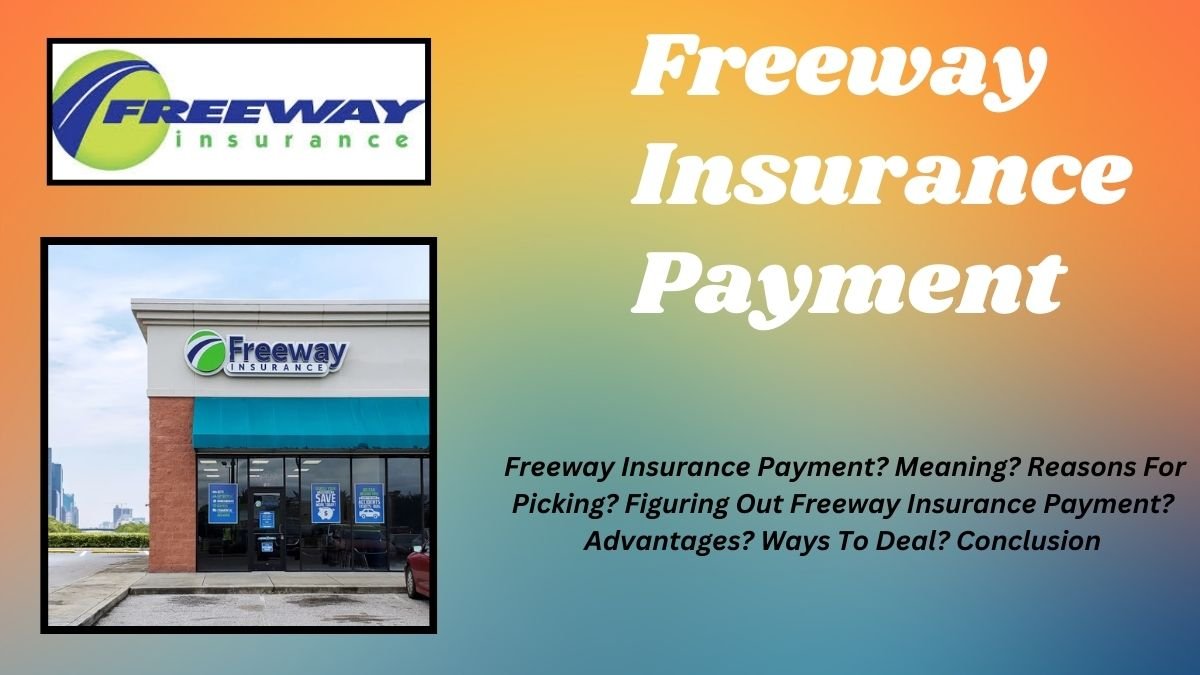
  • Freeway Insurance: A Comprehensive Guide

    Freeway Insurance: A Comprehensive Guide
    In the realm of auto insurance, Freeway Insurance has emerged as a notable player, catering to a diverse range of drivers with varying needs and circumstances. This comprehensive guide aims to provide an in-depth exploration of Freeway Insurance, encompassing its history, coverage options, target audience, advantages, disadvantages, customer reviews, and overall standing in the competitive insurance landscape.

    History and BackgroundFreeway Insurance: A Comprehensive Guide
    Freeway Insurance traces its roots back to 1987 when it was established as a subsidiary of Confie Seguros, a prominent national insurance brokerage. Over the years, Freeway Insurance has expanded its footprint, operating through a network of retail locations and online platforms, serving customers across numerous states in the United States.

    Coverage Options
    Freeway Insurance offers a spectrum of auto insurance coverage options, designed to meet the diverse needs of its clientele. These coverage options include:

    1. Liability Coverage: This foundational coverage is mandated by law in most states and provides financial protection if you are at fault in an accident that causes bodily injury or property damage to others. Liability coverage encompasses two key components:

      • Bodily Injury Liability: Covers medical expenses, lost wages, and legal costs if you injure someone in an accident.
      • Property Damage Liability: Covers the cost of repairing or replacing property damaged in an accident for which you are at fault.
    2. Collision Coverage: This coverage safeguards your vehicle against damage resulting from a collision with another vehicle or object, regardless of fault. Collision coverage typically includes a deductible, which is the amount you pay out-of-pocket before the insurance company covers the remaining expenses.
    3. Comprehensive Coverage: This coverage provides protection against a wide array of non-collision-related incidents, such as theft, vandalism, fire, natural disasters, and animal damage. Like collision coverage, comprehensive coverage often includes a deductible.
    4. Uninsured/Underinsured Motorist Coverage: This coverage steps in to protect you if you are involved in an accident with a driver who either lacks insurance or has insufficient coverage to cover your damages. Uninsured/underinsured motorist coverage typically encompasses two components:

      • Bodily Injury: Covers medical expenses, lost wages, and other damages if you are injured by an uninsured or underinsured driver.
      • Property Damage: Covers the cost of repairing or replacing your vehicle if it is damaged by an uninsured or underinsured driver.
    5. Personal Injury Protection (PIP): In certain states, PIP coverage is mandatory and provides coverage for your medical expenses and lost wages, regardless of who is at fault in an accident.
    6. Medical Payments Coverage: Similar to PIP, medical payments coverage helps cover your medical expenses resulting from an accident, regardless of fault.
    7. Other Coverage Options: Freeway Insurance may also offer additional coverage options, such as:

      • Rental Reimbursement: Covers the cost of renting a vehicle while your car is being repaired after a covered accident.
      • Towing and Labor: Covers the cost of towing your vehicle and providing roadside assistance if it breaks down.

    Target Audience
    Freeway Insurance primarily caters to drivers who may face challenges obtaining insurance from mainstream providers. This includes:

    1. High-Risk Drivers: Drivers with a history of accidents, traffic violations, or DUIs often find it difficult to secure affordable insurance. Freeway Insurance specializes in providing coverage to these drivers.
    2. Drivers with Poor Credit: Credit scores can significantly impact insurance rates. Freeway Insurance may offer more competitive rates to drivers with less-than-perfect credit.
    3. Young Drivers: Young drivers, particularly those with limited driving experience, are often considered high-risk and face higher insurance premiums. Freeway Insurance may provide more affordable options for young drivers.
    4. Drivers Requiring SR-22s: An SR-22 is a certificate of financial responsibility required by some states for drivers who have committed serious traffic offenses. Freeway Insurance assists drivers in obtaining SR-22s.
    5. Drivers Seeking Budget-Friendly Options: Freeway Insurance is known for its focus on providing affordable insurance options, making it an attractive choice for drivers on a budget.

    Advantages of Freeway Insurance
    Freeway Insurance offers several advantages that make it a compelling option for certain drivers:

    1. Affordable Rates: One of the most significant advantages of Freeway Insurance is its commitment to providing affordable rates, particularly for high-risk drivers, young drivers, and those with less-than-perfect credit.
    2. Coverage for High-Risk Drivers: Freeway Insurance specializes in providing coverage to drivers who may be denied or face exorbitant rates from other insurance companies due to their driving history or other factors.
    3. SR-22 Assistance: Freeway Insurance assists drivers in obtaining SR-22s, which are often required after serious traffic violations.
    4. Multiple Coverage Options: Freeway Insurance offers a range of coverage options, allowing customers to tailor their policies to their specific needs and budget.
    5. Convenient Access: Freeway Insurance operates through a network of retail locations and online platforms, providing customers with convenient access to insurance services.
    6. Bilingual Services: Freeway Insurance often provides bilingual services, catering to a diverse customer base.

    Disadvantages of Freeway Insurance
    While Freeway Insurance offers several advantages, it also has certain drawbacks to consider:

    1. Limited Availability: Freeway Insurance may not be available in all states, limiting its accessibility for some drivers.
    2. Customer Service Concerns: Some customer reviews have raised concerns about Freeway Insurance’s customer service, citing issues such as long wait times, difficulty resolving claims, and unhelpful representatives.
    3. Limited Discounts: Compared to some larger insurance companies, Freeway Insurance may offer fewer discounts, potentially limiting opportunities for additional savings.
    4. Basic Coverage Options: While Freeway Insurance offers a range of coverage options, its policies may not be as comprehensive or customizable as those offered by some larger insurers.
    5. Financial Stability: As a smaller insurance company, Freeway Insurance’s financial stability may not be as robust as that of larger, more established insurers.

    Customer Reviews and Ratings
    Customer reviews and ratings provide valuable insights into the experiences of other drivers with Freeway Insurance. Reviews can be found on various platforms, including:

    1. Better Business Bureau (BBB): The BBB provides ratings and reviews of businesses based on customer complaints and other factors.
    2. Consumer Affairs: Consumer Affairs is a website that allows consumers to submit reviews of products and services.
    3. Yelp: Yelp is a popular platform for reviewing local businesses, including insurance agencies.
    4. Google Reviews: Google Reviews allows customers to leave feedback on businesses listed on Google Maps.

    Customer reviews for Freeway Insurance are mixed, with some customers praising its affordable rates and coverage options, while others express dissatisfaction with its customer service and claims handling. It is essential to read a variety of reviews to gain a balanced perspective.

    Financial Stability
    The financial stability of an insurance company is a crucial factor to consider, as it indicates the company’s ability to pay out claims. Ratings agencies such as A.M. Best and Standard & Poor’s assess the financial strength of insurance companies. It is advisable to check Freeway Insurance’s financial strength rating from these agencies before purchasing a policy.

    Comparison with Competitors
    The auto insurance market is highly competitive, with numerous companies vying for customers. Some of Freeway Insurance’s main competitors include:

    1. The General: The General is another insurance company that specializes in providing coverage to high-risk drivers.
    2. Direct Auto Insurance: Direct Auto Insurance offers affordable insurance options to drivers with varying needs.
    3. Safe Auto: Safe Auto focuses on providing budget-friendly insurance options to drivers who may have difficulty obtaining coverage elsewhere.
    4. Progressive: Progressive is a larger insurance company that offers a wide range of coverage options and discounts.
    5. Geico: Geico is another major insurance company known for its competitive rates and comprehensive coverage options.

    When comparing Freeway Insurance with its competitors, it is essential to consider factors such as rates, coverage options, customer service, financial stability, and discounts.

    Tips for Getting the Best Rates with Freeway Insurance
    To secure the most favorable rates with Freeway Insurance, consider the following tips:

    1. Shop Around: Obtain quotes from multiple insurance companies, including Freeway Insurance and its competitors, to compare rates and coverage options.
    2. Increase Your Deductible: Opting for a higher deductible can lower your premium, but ensure you can comfortably afford to pay the deductible out-of-pocket if you need to file a claim.
    3. Maintain a Clean Driving Record: Avoiding accidents and traffic violations can help you maintain a clean driving record, which can lead to lower insurance rates.
    4. Improve Your Credit Score: Improving your credit score can positively impact your insurance rates.
    5. Take Advantage of Discounts: Inquire about available discounts, such as discounts for safe drivers, students, military personnel, or bundling multiple policies.
    6. Review Your Coverage Regularly: Periodically review your coverage to ensure it aligns with your current needs and circumstances.

    Conclusion
    Freeway Insurance is a viable option for drivers seeking affordable auto insurance, particularly those who may face challenges obtaining coverage from mainstream providers. Its focus on providing coverage to high-risk drivers, young drivers, and those with less-than-perfect credit makes it an attractive choice for many. However, it is essential to weigh the advantages and disadvantages of Freeway Insurance, consider customer reviews, and compare it with competitors before making a decision. By conducting thorough research and following the tips outlined in this guide, you can make an informed choice and secure the best possible auto insurance coverage for your needs.

  • Seguro Estrella Insurance

    Okay, here’s a comprehensive article on Seguro Estrella Insurance, aiming for around 2500 words. I’ve structured it to cover various aspects of the company, its offerings, and the broader context of insurance in the region it serves. Please remember that this is based on publicly available information and general knowledge of insurance principles. You may need to supplement it with specific, up-to-date details from Seguro Estrella’s website or other sources.

    Seguro Estrella Insurance: A Comprehensive Overview

    In the dynamic landscape of insurance providers, Seguro Estrella has emerged as a notable player, offering a range of insurance solutions tailored to meet the diverse needs of its clientele. This article delves into the intricacies of Seguro Estrella, exploring its history, core values, product offerings, technological advancements, customer service approach, and its position within the broader insurance industry.

    seguro estrella insurance

    I. A Brief History and Foundation

    While specific historical details might require direct access to Seguro Estrella’s official website or corporate documentation, it’s safe to assume that, like most insurance companies, Seguro Estrella likely originated with a vision to provide financial security and risk mitigation to individuals and businesses. Understanding its founding principles is crucial to grasping its current operational philosophy.

    • Establishment and Early Years: Researching the year of establishment would provide context. Early years likely focused on building a foundation of trust and establishing a presence in the market. This might have involved targeting specific niche markets or geographic regions.
    • Growth and Expansion: Successful insurance companies typically expand their product lines and geographic reach over time. Seguro Estrella’s growth trajectory likely involved strategic partnerships, acquisitions, or organic expansion driven by customer demand.
    • Key Milestones: Identifying key milestones, such as the introduction of new insurance products, significant technological upgrades, or expansion into new markets, would highlight the company’s evolution.

    II. Core Values and Mission

    The core values and mission statement of an insurance company are fundamental to understanding its ethical compass and strategic direction. These principles guide decision-making and shape the company’s relationship with its stakeholders.

    • Customer-Centricity: Most successful insurance companies prioritize customer satisfaction. This likely translates into providing personalized service, transparent communication, and efficient claims processing.
    • Integrity and Trust: Trust is paramount in the insurance industry. Seguro Estrella likely emphasizes integrity in its dealings with customers, partners, and employees.
    • Innovation and Adaptability: The insurance landscape is constantly evolving, driven by technological advancements and changing customer needs. A commitment to innovation and adaptability is crucial for long-term success.
    • Social Responsibility: Increasingly, companies are expected to demonstrate social responsibility. This might involve supporting community initiatives, promoting sustainable practices, or contributing to charitable causes.

    III. Product Offerings: A Diverse Portfolio

    Seguro Estrella likely offers a diverse portfolio of insurance products to cater to a wide range of needs. These products can be broadly categorized as follows:

    • Personal Insurance:

      • Auto Insurance: This is a cornerstone product for most insurance companies. Coverage options typically include liability, collision, comprehensive, and uninsured/underinsured motorist protection. Specific features might include discounts for safe drivers, usage-based insurance (telematics), and roadside assistance.
      • Homeowners Insurance: Provides coverage for damage to a home and its contents due to perils such as fire, wind, theft, and vandalism. Liability coverage is also included. Specific features might include flood insurance (if applicable), earthquake insurance (if applicable), and coverage for valuable personal possessions.
      • Renters Insurance: Protects renters against loss or damage to their personal belongings and provides liability coverage.
      • Life Insurance: Provides financial protection to beneficiaries in the event of the insured’s death. Options typically include term life insurance (coverage for a specific period) and whole life insurance (permanent coverage with a cash value component).
      • Health Insurance: Covers medical expenses, including doctor visits, hospital stays, and prescription drugs. Specific plans might vary in terms of coverage levels, deductibles, and co-pays.
      • Travel Insurance: Provides coverage for travel-related risks, such as trip cancellations, medical emergencies, and lost luggage.
    • Commercial Insurance:

      • Property Insurance: Protects businesses against damage to their buildings and equipment due to perils such as fire, wind, and theft.
      • Liability Insurance: Covers businesses against legal claims arising from bodily injury or property damage caused by their operations.
      • Workers’ Compensation Insurance: Provides benefits to employees who are injured on the job.
      • Commercial Auto Insurance: Covers vehicles used for business purposes.
      • Business Interruption Insurance: Provides coverage for lost income due to a covered event that disrupts business operations.
      • Professional Liability Insurance (Errors and Omissions): Protects professionals (e.g., doctors, lawyers, architects) against claims of negligence or malpractice.
    • Specialty Insurance:

      • Depending on the market and customer needs, Seguro Estrella might offer specialized insurance products, such as:
        • Marine Insurance: Covers ships and cargo against loss or damage.
        • Cyber Insurance: Protects businesses against financial losses resulting from cyberattacks and data breaches.
        • Event Insurance: Covers events against cancellation or postponement due to unforeseen circumstances.

    IV. Technological Advancements and Digital Transformation

    The insurance industry is undergoing a significant digital transformation. Seguro Estrella’s ability to leverage technology is crucial for enhancing efficiency, improving customer experience, and gaining a competitive edge.

    • Online Platforms and Mobile Apps: A user-friendly website and mobile app are essential for allowing customers to obtain quotes, purchase policies, manage their accounts, and file claims online.
    • Data Analytics and Artificial Intelligence: Data analytics and AI can be used to personalize insurance offerings, detect fraud, and improve risk assessment.
    • Telematics: In auto insurance, telematics devices can track driving behavior and provide personalized feedback and discounts.
    • Claims Processing Automation: Automating claims processing can speed up the process and reduce costs.
    • Customer Relationship Management (CRM) Systems: CRM systems help insurance companies manage customer interactions and provide personalized service.

    V. Customer Service and Claims Handling

    Customer service and claims handling are critical aspects of an insurance company’s reputation. Seguro Estrella’s commitment to providing excellent customer service is essential for building customer loyalty.

    • Accessibility and Responsiveness: Customers should be able to easily contact Seguro Estrella through various channels, such as phone, email, and online chat. The company should be responsive to customer inquiries and resolve issues promptly.
    • Claims Process: The claims process should be transparent and efficient. Customers should be kept informed of the status of their claims.
    • Customer Satisfaction Surveys: Regularly conducting customer satisfaction surveys can help Seguro Estrella identify areas for improvement.
    • Training and Development: Investing in training and development for customer service representatives is crucial for ensuring that they have the knowledge and skills to provide excellent service.

    VI. Competitive Landscape and Market Position

    Understanding Seguro Estrella’s position within the broader insurance industry requires an analysis of its competitive landscape.

    • Key Competitors: Identifying Seguro Estrella’s main competitors is essential for understanding its market share and competitive strategies.
    • Strengths and Weaknesses: Analyzing Seguro Estrella’s strengths and weaknesses relative to its competitors can provide insights into its competitive advantages and areas for improvement.
    • Market Share: Determining Seguro Estrella’s market share can provide an indication of its overall success and influence in the market.
    • Regulatory Environment: The insurance industry is heavily regulated. Seguro Estrella must comply with all applicable laws and regulations.

    VII. Financial Stability and Reputation

    The financial stability and reputation of an insurance company are critical factors to consider when choosing an insurance provider.

    • Financial Ratings: Independent rating agencies, such as A.M. Best and Standard & Poor’s, assess the financial strength of insurance companies. A high financial rating indicates that the company is financially sound and able to pay claims.
    • Customer Reviews and Testimonials: Reading customer reviews and testimonials can provide insights into the company’s reputation for customer service and claims handling.
    • Industry Recognition: Awards and recognition from industry organizations can indicate that the company is a leader in its field.

    VIII. Corporate Social Responsibility (CSR) Initiatives

    Increasingly, stakeholders expect companies to demonstrate a commitment to social responsibility. Seguro Estrella’s CSR initiatives, if any, can enhance its reputation and build goodwill.

    • Community Involvement: Supporting local communities through charitable donations, volunteer programs, or sponsorships.
    • Environmental Sustainability: Implementing sustainable business practices to reduce environmental impact.
    • Ethical Business Practices: Adhering to high ethical standards in all business dealings.

    IX. Future Outlook and Strategic Direction

    The future of Seguro Estrella will depend on its ability to adapt to changing market conditions, embrace technological advancements, and meet the evolving needs of its customers.

    • Growth Opportunities: Identifying potential growth opportunities, such as expanding into new markets or launching new products.
    • Challenges and Threats: Addressing potential challenges and threats, such as increasing competition, regulatory changes, and economic downturns.
    • Strategic Priorities: Focusing on key strategic priorities, such as improving customer experience, enhancing operational efficiency, and driving innovation.

    X. Conclusion

    Seguro Estrella Insurance, like any insurance provider, plays a vital role in providing financial security and peace of mind to individuals and businesses. By offering a diverse range of insurance products, embracing technological advancements, and prioritizing customer service, it aims to establish itself as a trusted and reliable partner for its clients. However, thorough research of their official website and potentially consulting with current or former customers is recommended to obtain the most accurate and up-to-date information. Its success hinges on its ability to adapt to the ever-changing landscape of the insurance industry and deliver value to its stakeholders. Understanding its history, values, product offerings, technological capabilities, customer service approach, competitive position, and financial stability provides a comprehensive overview of Seguro Estrella Insurance and its role in the market.

  • Freeway Insurance: Navigating The Road To Affordable Coverage

    Freeway Insurance: Navigating the Road to Affordable Coverage

    In the complex landscape of insurance, finding the right coverage at an affordable price can often feel like navigating a maze. Among the myriad of insurance providers, Freeway Insurance has emerged as a prominent player, particularly known for its focus on providing budget-friendly options. This article delves into the intricacies of Freeway Insurance, exploring its history, coverage options, pros and cons, customer experience, and its position within the competitive insurance market.

    A Brief History of Freeway Insurance

    Freeway Insurance: Navigating the Road to Affordable Coverage

    Freeway Insurance, officially known as Freeway Insurance Services, Inc., has a history rooted in serving diverse communities with accessible insurance solutions. Founded in 1987, the company initially focused on providing auto insurance to the Hispanic community in Southern California. Over the years, Freeway Insurance expanded its reach, both geographically and in terms of the range of insurance products offered.

    Today, Freeway Insurance operates as a brokerage, partnering with multiple insurance companies to offer a variety of coverage options. This brokerage model allows Freeway to provide customers with a wider selection of policies and competitive pricing, catering to individuals with varying needs and budgets.

    Coverage Options Offered by Freeway Insurance

    Freeway Insurance offers a range of insurance products, primarily focusing on auto insurance but also including other types of coverage:

    • Auto Insurance: Auto insurance is Freeway’s primary offering, providing coverage for liability, collision, comprehensive, uninsured/underinsured motorist, and personal injury protection (PIP).
      • Liability Coverage: This covers bodily injury and property damage to others if you are at fault in an accident. It is typically required by law.
      • Collision Coverage: This covers damage to your vehicle resulting from a collision with another vehicle or object, regardless of fault.
      • Comprehensive Coverage: This covers damage to your vehicle from non-collision events such as theft, vandalism, fire, or natural disasters.
      • Uninsured/Underinsured Motorist Coverage: This protects you if you are hit by a driver who has no insurance or insufficient insurance to cover your damages.
      • Personal Injury Protection (PIP): This covers medical expenses and lost wages for you and your passengers, regardless of fault.
    • Homeowners Insurance: Freeway Insurance also offers homeowners insurance, protecting your home and belongings from damage or loss due to covered perils such as fire, theft, and natural disasters.
    • Renters Insurance: This provides coverage for your personal belongings if you rent an apartment or house, protecting against theft, fire, and other covered perils.
    • Motorcycle Insurance: Freeway offers motorcycle insurance, providing coverage for liability, collision, comprehensive, and uninsured/underinsured motorist protection.
    • Commercial Auto Insurance: This provides coverage for vehicles used for business purposes, protecting against liability and physical damage.
    • Other Insurance Products: Depending on the location, Freeway Insurance may also offer other insurance products such as life insurance, health insurance, and pet insurance.

    Pros and Cons of Freeway Insurance

    Like any insurance provider, Freeway Insurance has its advantages and disadvantages. Understanding these can help you make an informed decision about whether it’s the right choice for your insurance needs.

    Pros:

    • Affordable Rates: Freeway Insurance is known for its competitive pricing, particularly for drivers who may have difficulty obtaining affordable coverage elsewhere. This includes drivers with poor credit, a history of accidents, or a DUI.
    • Wide Range of Coverage Options: As a brokerage, Freeway Insurance partners with multiple insurance companies, offering a variety of coverage options to suit different needs and budgets.
    • Convenient Locations: Freeway Insurance has numerous locations, making it easy for customers to obtain quotes, purchase policies, and receive assistance in person.
    • Bilingual Services: Freeway Insurance caters to the Hispanic community, offering bilingual services in English and Spanish.
    • Online Quotes and Policy Management: Freeway Insurance offers online quotes and policy management tools, allowing customers to easily access information and make changes to their policies.
    • Focus on High-Risk Drivers: Freeway Insurance specializes in providing coverage to drivers who may be considered high-risk by other insurance companies.
    • Flexible Payment Options: Freeway Insurance offers various payment options, including monthly installments and electronic funds transfer.

    Cons:

    • Customer Service Issues: Some customers have reported issues with Freeway Insurance’s customer service, including long wait times, difficulty resolving claims, and inconsistent information.
    • Limited Coverage Options in Some Areas: The availability of specific coverage options may vary depending on the location and the insurance companies Freeway partners with in that area.
    • Potential for Hidden Fees: Some customers have reported unexpected fees or charges, so it’s important to carefully review the policy terms and conditions before purchasing coverage.
    • Reliance on Third-Party Insurers: As a brokerage, Freeway Insurance relies on third-party insurers to provide coverage. This means that the quality of the coverage and claims handling may vary depending on the insurer.
    • Aggressive Marketing Tactics: Some customers have reported receiving unsolicited calls or emails from Freeway Insurance, which can be perceived as aggressive marketing tactics.
    • Varying Policy Quality: Because Freeway is a broker, the actual insurance policy you receive is from a partner company. This means the quality of the policy can vary widely.

    Customer Experience with Freeway Insurance

    Customer experience is a crucial factor to consider when choosing an insurance provider. Reviews and testimonials from Freeway Insurance customers offer insights into the company’s strengths and weaknesses.

    • Positive Reviews: Some customers praise Freeway Insurance for its affordable rates, convenient locations, and helpful staff. They appreciate the ability to obtain coverage quickly and easily, particularly if they have had difficulty finding coverage elsewhere.
    • Negative Reviews: Other customers report negative experiences with Freeway Insurance, citing issues with customer service, claims handling, and unexpected fees. Some customers have complained about long wait times, difficulty resolving claims, and inconsistent information.
    • Online Reviews and Ratings: Online review platforms such as Yelp, Google, and the Better Business Bureau (BBB) provide a mixed bag of reviews for Freeway Insurance. While some customers give the company high ratings, others express dissatisfaction with their experience.
    • BBB Rating: Freeway Insurance’s BBB rating can provide insights into the company’s complaint resolution process and overall customer satisfaction. It’s important to note that the BBB rating is based on the company’s response to complaints, not necessarily the number of complaints received.

    Freeway Insurance in the Competitive Market

    Freeway Insurance operates in a highly competitive market, facing competition from both national insurance companies and other regional brokers. Its focus on affordable rates and serving high-risk drivers sets it apart from some of its competitors.

    • Comparison with National Insurers: National insurers such as State Farm, Geico, and Progressive offer a wide range of coverage options and often have extensive resources for customer service and claims handling. However, their rates may be higher than Freeway Insurance’s, particularly for high-risk drivers.
    • Comparison with Regional Brokers: Other regional brokers may offer similar services to Freeway Insurance, focusing on providing affordable coverage to specific communities or demographics. It’s important to compare rates and coverage options from multiple brokers to find the best fit for your needs.
    • Market Position: Freeway Insurance has carved out a niche in the market by focusing on providing affordable coverage to drivers who may have difficulty obtaining insurance elsewhere. Its extensive network of locations and bilingual services also contribute to its market position.
    • Pricing Strategies: Freeway Insurance’s pricing strategies are geared towards offering competitive rates, often by partnering with insurers that specialize in high-risk drivers. The company may also offer discounts for bundling multiple policies or for maintaining a good driving record.

    Tips for Getting the Best Rates from Freeway Insurance

    If you’re considering Freeway Insurance, here are some tips to help you get the best rates:

    • Shop Around: Get quotes from multiple insurance providers, including Freeway Insurance and its competitors, to compare rates and coverage options.
    • Bundle Policies: If you need multiple types of insurance, such as auto and homeowners, consider bundling them with Freeway Insurance to potentially save money.
    • Maintain a Good Driving Record: A clean driving record with no accidents or traffic violations can help you qualify for lower rates.
    • Improve Your Credit Score: In some states, insurance companies use credit scores to determine rates. Improving your credit score can potentially lower your insurance premiums.
    • Increase Your Deductible: Choosing a higher deductible can lower your monthly premiums, but you’ll need to pay more out of pocket if you file a claim.
    • Ask About Discounts: Inquire about available discounts, such as discounts for students, seniors, or military personnel.
    • Review Your Policy Regularly: Review your policy annually to ensure that you have the right coverage and that you’re still getting the best rates.
    • Read the Fine Print: Carefully review the policy terms and conditions before purchasing coverage to understand what is covered and what is not.

    Conclusion

    Freeway Insurance offers a valuable service by providing affordable insurance options to a wide range of drivers, including those who may be considered high-risk. Its brokerage model allows it to offer a variety of coverage options and competitive pricing. However, it’s important to be aware of the potential drawbacks, such as customer service issues and reliance on third-party insurers. By shopping around, comparing rates, and carefully reviewing policy terms, you can make an informed decision about whether Freeway Insurance is the right choice for your insurance needs. Always prioritize understanding the specifics of your policy and ensuring it adequately protects you and your assets. Remember that the cheapest option isn’t always the best, and adequate coverage is essential for financial security in the event of an accident or loss.

  • The Rise Of The Auto-Home: A Deep Dive Into Automated Living

    The Rise of the Auto-Home: A Deep Dive into Automated Living

    Introduction

    The concept of the "auto-home," or automated home, has transitioned from the realm of science fiction into a tangible reality. Driven by advancements in technology, decreasing costs of smart devices, and an increasing desire for convenience and efficiency, auto-homes are reshaping the way we live. This article explores the multifaceted world of auto-homes, examining their benefits, challenges, components, security concerns, future trends, and impact on society.

    The Rise of the Auto-Home: A Deep Dive into Automated Living

    Defining the Auto-Home

    At its core, an auto-home is a residence equipped with a network of interconnected devices and systems that automate various tasks and functions. These systems are designed to enhance comfort, security, energy efficiency, and overall quality of life for the occupants. The level of automation can range from simple remote control of lighting and temperature to sophisticated systems that learn user preferences and proactively adjust settings accordingly.

    Key Components of an Auto-Home

    1. Smart Hubs/Home Automation Controllers: The brain of the auto-home, these devices serve as the central control point for all connected devices. They communicate with various devices using protocols like Wi-Fi, Bluetooth, Zigbee, Z-Wave, or proprietary protocols. Popular examples include Amazon Echo (Alexa), Google Nest Hub, Apple HomePod, and dedicated hubs like Samsung SmartThings.

    2. Smart Lighting: Automated lighting systems allow users to control lights remotely, schedule lighting changes, and even adjust brightness and color temperature based on time of day or ambient light levels. Smart bulbs, switches, and dimmers are common components.

    3. Smart Thermostats: These devices learn your heating and cooling preferences and automatically adjust the temperature to optimize comfort and energy savings. They can be controlled remotely and integrated with other smart home systems.

    4. Smart Security Systems: Auto-homes often incorporate advanced security systems, including smart locks, security cameras, motion sensors, and alarm systems. These systems can alert homeowners to potential threats and even contact emergency services automatically.

    5. Smart Appliances: Refrigerators, ovens, washing machines, and other appliances are becoming increasingly "smart," offering features like remote monitoring, automatic reordering of supplies, and self-diagnosis capabilities.

    6. Smart Entertainment Systems: Automated entertainment systems allow users to control audio and video equipment throughout the house from a central interface. This can include streaming music, controlling TVs, and managing home theater systems.

    7. Smart Irrigation Systems: These systems use weather data and soil moisture sensors to automatically adjust watering schedules, conserving water and promoting healthy plant growth.

    8. Voice Assistants: Voice assistants like Amazon Alexa, Google Assistant, and Apple Siri allow users to control their auto-home with voice commands. This hands-free control is particularly useful for individuals with mobility issues or when multitasking.

    Benefits of Auto-Homes

    1. Enhanced Convenience: Auto-homes automate routine tasks, freeing up time for other activities. Imagine turning on the lights, adjusting the thermostat, and locking the doors all with a single voice command or from your smartphone.

    2. Increased Security: Smart security systems provide peace of mind by monitoring your home for intruders and alerting you to potential threats. Remote access to security cameras allows you to check on your property from anywhere in the world.

    3. Energy Efficiency: Smart thermostats, lighting controls, and appliance management systems can significantly reduce energy consumption, lowering utility bills and reducing your carbon footprint.

    4. Improved Comfort: Auto-homes can create a more comfortable living environment by automatically adjusting temperature, lighting, and other settings to suit your preferences.

    5. Accessibility: Auto-homes can be particularly beneficial for individuals with disabilities or mobility issues, providing them with greater independence and control over their environment.

    6. Cost Savings: While the initial investment in auto-home technology can be significant, the long-term cost savings from reduced energy consumption and water usage can offset the initial expense.

    7. Increased Home Value: Homes with smart technology are often more attractive to potential buyers, potentially increasing the value of your property.

    Challenges and Concerns of Auto-Homes

    1. Cost: The initial cost of implementing auto-home technology can be a barrier for some homeowners. While prices are decreasing, a comprehensive auto-home system can still be a significant investment.

    2. Complexity: Setting up and managing an auto-home system can be complex, requiring technical knowledge and troubleshooting skills.

    3. Compatibility Issues: Different smart devices may use different communication protocols, making it difficult to integrate them into a single system.

    4. Security Risks: Auto-homes are vulnerable to hacking and cyberattacks. Hackers could potentially gain access to your security cameras, control your appliances, or even steal your personal data.

    5. Privacy Concerns: Smart devices collect data about your habits and preferences, raising concerns about privacy. It’s important to choose devices from reputable manufacturers and carefully review their privacy policies.

    6. Reliability: Auto-home systems rely on a stable internet connection and power supply. Power outages or internet disruptions can render your smart devices useless.

    7. Obsolescence: Technology is constantly evolving, and smart devices can become obsolete relatively quickly. This means that you may need to upgrade your system periodically to keep it up-to-date.

    Security Considerations for Auto-Homes

    Security is a paramount concern for auto-homes. Here are some essential security measures to consider:

    1. Strong Passwords: Use strong, unique passwords for all your smart devices and accounts. Avoid using default passwords.

    2. Two-Factor Authentication: Enable two-factor authentication (2FA) whenever possible to add an extra layer of security to your accounts.

    3. Secure Wi-Fi Network: Protect your Wi-Fi network with a strong password and encryption (WPA3 is recommended).

    4. Firewall Protection: Use a firewall to protect your home network from unauthorized access.

    5. Software Updates: Keep your smart devices and software up-to-date with the latest security patches.

    6. Device Segmentation: Consider segmenting your home network to isolate your smart devices from your computers and other sensitive devices.

    7. Privacy Settings: Review the privacy settings of your smart devices and adjust them to your liking.

    8. Reputable Brands: Choose smart devices from reputable manufacturers with a strong track record of security.

    9. Regular Audits: Regularly audit your auto-home system for security vulnerabilities.

    The Future of Auto-Homes

    The future of auto-homes is bright, with several exciting trends on the horizon:

    1. Artificial Intelligence (AI): AI will play an increasingly important role in auto-homes, enabling them to learn user preferences, anticipate needs, and automate tasks more intelligently.

    2. Internet of Things (IoT): The continued growth of the IoT will lead to even more interconnected devices in the home, creating a more seamless and integrated living experience.

    3. 5G Connectivity: The rollout of 5G networks will provide faster and more reliable internet connections, enabling more advanced auto-home features.

    4. Edge Computing: Edge computing will allow smart devices to process data locally, reducing latency and improving privacy.

    5. Sustainability: Auto-homes will become increasingly focused on sustainability, incorporating features like solar panels, energy storage systems, and water conservation technologies.

    6. Personalized Experiences: Auto-homes will be increasingly personalized to meet the unique needs and preferences of individual users.

    7. Healthcare Integration: Auto-homes will be integrated with healthcare systems to provide remote monitoring, medication reminders, and other health-related services.

    Impact on Society

    Auto-homes have the potential to have a significant impact on society:

    1. Aging in Place: Auto-homes can help seniors and individuals with disabilities to live independently for longer, reducing the need for assisted living facilities.

    2. Improved Quality of Life: Auto-homes can enhance comfort, convenience, and security, improving the overall quality of life for residents.

    3. Economic Growth: The auto-home industry is creating new jobs and driving economic growth in areas like manufacturing, software development, and installation services.

    4. Environmental Benefits: Auto-homes can reduce energy consumption and water usage, contributing to a more sustainable future.

    5. Social Equity: It is important to ensure that the benefits of auto-homes are accessible to all members of society, regardless of income or location.

    Conclusion

    The auto-home is more than just a collection of smart devices; it’s a vision of the future of living. While challenges and concerns remain, the benefits of auto-homes are undeniable. As technology continues to evolve, auto-homes will become more affordable, accessible, and sophisticated, transforming the way we live, work, and interact with our environment.

  • Asuransi Nasional Umum

    Asuransi Nasional Umum

    National General Insurance adalah perusahaan asuransi terkemuka di Amerika Serikat. Perusahaan ini menawarkan berbagai produk dan layanan asuransi, termasuk asuransi mobil, asuransi rumah, dan asuransi jiwa. National General Insurance memiliki sejarah yang panjang dan kaya, dan telah menjadi nama terpercaya di industri asuransi selama lebih dari 90 tahun.

    Sejarah

    Asuransi Nasional Umum

    National General Insurance didirikan pada tahun 1920 oleh George Calvert. Perusahaan ini awalnya bernama Motors Insurance Corporation, dan berfokus pada penyediaan asuransi mobil untuk karyawan General Motors. Pada tahun 1950-an, perusahaan mulai memperluas jangkauan produknya untuk memasukkan asuransi rumah dan asuransi jiwa. Pada tahun 1960-an, perusahaan mengubah namanya menjadi National General Insurance.

    Selama bertahun-tahun, National General Insurance telah mengakuisisi sejumlah perusahaan asuransi lainnya, termasuk Integon Corporation, GMAC Insurance Group, dan Foremost Insurance Company. Akuisisi ini telah membantu National General Insurance untuk memperluas jangkauan produk dan basis pelanggannya.

    Saat ini, National General Insurance merupakan anak perusahaan dari The Allstate Corporation. Perusahaan ini berkantor pusat di Winston-Salem, North Carolina, dan mempekerjakan lebih dari 10.000 orang.

    Produk dan Layanan

    National General Insurance menawarkan berbagai produk dan layanan asuransi, termasuk:

    • Asuransi Mobil
    • Asuransi Rumah
    • Asuransi Jiwa
    • Asuransi Sepeda Motor
    • Asuransi RV
    • Asuransi Pemilik Rumah
    • Asuransi Penyewa
    • Asuransi Payung
    • Asuransi Banjir
    • Asuransi Bisnis

    National General Insurance menawarkan berbagai opsi cakupan untuk setiap produk asuransinya. Pelanggan dapat memilih cakupan yang sesuai dengan kebutuhan dan anggaran mereka.

    Asuransi Mobil

    Asuransi mobil National General Insurance menawarkan perlindungan untuk berbagai risiko, termasuk:

    • Tanggung Jawab: Cakupan ini membayar kerusakan yang Anda sebabkan kepada orang lain jika Anda bersalah dalam suatu kecelakaan.
    • Tabrakan: Cakupan ini membayar kerusakan pada kendaraan Anda jika terlibat dalam tabrakan dengan kendaraan lain atau objek.
    • Komprehensif: Cakupan ini membayar kerusakan pada kendaraan Anda yang tidak disebabkan oleh tabrakan, seperti pencurian, vandalisme, atau kerusakan akibat cuaca.
    • Pengemudi yang Tidak Diasuransikan/Kurang Diasuransikan: Cakupan ini membayar kerusakan Anda jika Anda ditabrak oleh pengemudi yang tidak diasuransikan atau kurang diasuransikan.
    • Pembayaran Medis: Cakupan ini membayar biaya medis Anda jika Anda terluka dalam suatu kecelakaan.
    • Perlindungan Cedera Pribadi (PIP): Cakupan ini membayar biaya medis Anda dan kehilangan upah jika Anda terluka dalam suatu kecelakaan, terlepas dari siapa yang bersalah.

    National General Insurance juga menawarkan berbagai diskon untuk asuransi mobil, seperti:

    • Diskon Pengemudi yang Aman
    • Diskon Multi-Mobil
    • Diskon Rumah
    • Diskon Mahasiswa
    • Diskon Militer

    Asuransi Rumah

    Asuransi rumah National General Insurance menawarkan perlindungan untuk berbagai risiko, termasuk:

    • Kerusakan pada Rumah Anda: Cakupan ini membayar kerusakan pada rumah Anda akibat kebakaran, angin, hujan es, dan risiko tertutup lainnya.
    • Kerusakan pada Harta Benda Anda: Cakupan ini membayar kerusakan pada harta benda Anda, seperti perabotan, pakaian, dan elektronik, jika rusak akibat risiko tertutup.
    • Tanggung Jawab: Cakupan ini membayar kerusakan yang Anda sebabkan kepada orang lain jika mereka terluka di properti Anda.
    • Biaya Hidup Tambahan: Cakupan ini membayar biaya hidup tambahan Anda jika Anda harus keluar dari rumah Anda karena risiko tertutup.

    National General Insurance juga menawarkan berbagai diskon untuk asuransi rumah, seperti:

    • Diskon Alarm Keamanan
    • Diskon Detektor Asap
    • Diskon Baru
    • Diskon Multi-Kebijakan

    Asuransi Jiwa

    Asuransi jiwa National General Insurance menawarkan perlindungan finansial bagi keluarga Anda jika Anda meninggal. Ada dua jenis utama asuransi jiwa:

    • Asuransi Jiwa Berjangka: Jenis asuransi ini memberikan perlindungan selama jangka waktu tertentu, seperti 10, 20, atau 30 tahun. Jika Anda meninggal selama jangka waktu tersebut, ahli waris Anda akan menerima santunan kematian.
    • Asuransi Jiwa Seumur Hidup: Jenis asuransi ini memberikan perlindungan seumur hidup Anda. Ahli waris Anda akan menerima santunan kematian saat Anda meninggal. Asuransi jiwa seumur hidup juga memiliki nilai tunai yang tumbuh seiring waktu.

    National General Insurance menawarkan berbagai opsi asuransi jiwa, seperti:

    • Asuransi Jiwa Berjangka
    • Asuransi Jiwa Seumur Hidup
    • Asuransi Jiwa Universal
    • Asuransi Jiwa Variabel

    National General Insurance juga menawarkan berbagai pengendara yang dapat ditambahkan ke polis asuransi jiwa Anda, seperti:

    • Pengendara Percepatan Santunan Kematian
    • Pengendara Asuransi Anak
    • Pengendara Pembebasan Premi

    Kekuatan Finansial

    National General Insurance memiliki peringkat kekuatan finansial yang kuat dari berbagai lembaga pemeringkat independen. Hal ini berarti bahwa perusahaan memiliki kemampuan finansial untuk membayar klaim.

    Layanan Pelanggan

    National General Insurance berkomitmen untuk menyediakan layanan pelanggan yang sangat baik. Perusahaan memiliki tim perwakilan layanan pelanggan yang tersedia 24 jam sehari, 7 hari seminggu untuk membantu pelanggan dengan pertanyaan atau klaim mereka.

    National General Insurance juga menawarkan berbagai sumber daya online, seperti:

    • Situs web
    • Aplikasi seluler
    • Pusat Bantuan Online
    • FAQ

    Klaim

    Untuk mengajukan klaim dengan National General Insurance, Anda dapat menghubungi perusahaan melalui telepon, online, atau melalui pos. Anda harus memberikan informasi berikut saat mengajukan klaim:

    • Nomor polis Anda
    • Tanggal dan waktu kejadian
    • Lokasi kejadian
    • Deskripsi kejadian
    • Nama dan informasi kontak dari pihak lain yang terlibat

    National General Insurance akan menyelidiki klaim Anda dan akan menghubungi Anda dengan keputusan.

    Keuntungan dan Kerugian

    Ada keuntungan dan kerugian untuk menggunakan National General Insurance.

    Keuntungan:

    • Berbagai produk dan layanan asuransi
    • Opsi cakupan kompetitif
    • Berbagai diskon
    • Peringkat kekuatan finansial yang kuat
    • Layanan pelanggan yang sangat baik

    Kerugian:

    • Harga mungkin lebih tinggi daripada perusahaan lain
    • Tidak tersedia di semua negara bagian
    • Klaim dapat memakan waktu lama untuk diproses

    Kesimpulan

    National General Insurance adalah perusahaan asuransi terkemuka yang menawarkan berbagai produk dan layanan asuransi. Perusahaan ini memiliki sejarah yang panjang dan kaya, dan memiliki peringkat kekuatan finansial yang kuat. National General Insurance berkomitmen untuk menyediakan layanan pelanggan yang sangat baik.

    Jika Anda mencari perusahaan asuransi yang dapat memberikan Anda cakupan yang Anda butuhkan dengan harga yang wajar, National General Insurance adalah pilihan yang baik.

    Berikut adalah beberapa tips tambahan untuk memilih perusahaan asuransi:

    • Dapatkan penawaran dari beberapa perusahaan.
    • Bandingkan cakupan dan harga dari berbagai perusahaan.
    • Baca ulasan tentang berbagai perusahaan.
    • Pastikan perusahaan berlisensi di negara bagian Anda.
    • Pahami syarat dan ketentuan polis Anda.
    • Ajukan pertanyaan jika Anda tidak memahami apa pun.

    Dengan meluangkan waktu untuk berbelanja, Anda dapat menemukan perusahaan asuransi yang tepat untuk kebutuhan Anda.

    Selain informasi di atas, berikut adalah beberapa hal tambahan yang mungkin ingin Anda ketahui tentang National General Insurance:

    • Perusahaan ini memiliki program amal yang disebut National General Insurance Foundation. Yayasan ini mendukung berbagai penyebab, seperti pendidikan, kesehatan, dan kesejahteraan.
    • National General Insurance adalah sponsor dari sejumlah acara, seperti National General Insurance 200 di Charlotte Motor Speedway.
    • Perusahaan ini memiliki kehadiran yang kuat di media sosial. Anda dapat mengikuti National General Insurance di Facebook, Twitter, dan LinkedIn.

    Saya harap artikel ini memberikan informasi yang bermanfaat tentang National General Insurance.

    Penafian: Saya adalah model bahasa AI dan tidak dapat memberikan saran finansial. Penting untuk melakukan riset sendiri dan berkonsultasi dengan profesional keuangan yang berkualifikasi sebelum membuat keputusan keuangan.

  • Seguro De Insurance: A Comprehensive Guide To Understanding And Navigating Insurance In Spanish-Speaking Countries

    Seguro de Insurance: A Comprehensive Guide to Understanding and Navigating Insurance in Spanish-Speaking Countries

    Insurance, or seguro in Spanish, is a vital component of financial security and risk management worldwide. However, navigating the complexities of insurance can be particularly challenging in different cultural and linguistic contexts. This comprehensive guide aims to provide a thorough understanding of seguro de insurance in Spanish-speaking countries, covering various types of insurance, key terminology, cultural nuances, and practical advice for individuals and businesses.

    Understanding the Basics: What is Seguro de Insurance?

    Seguro de Insurance: A Comprehensive Guide to Understanding and Navigating Insurance in Spanish-Speaking Countries

    At its core, seguro de insurance functions similarly to insurance in English-speaking countries. It is a contract (called a póliza de seguro) between an insurer (aseguradora) and an insured party (asegurado) where the insurer agrees to compensate the insured for specified losses, damages, or liabilities in exchange for a premium (prima). The purpose of insurance is to transfer risk from the individual or business to the insurer, providing financial protection against unforeseen events.

    Key Terminology in Spanish Insurance:

    Understanding the vocabulary associated with insurance is crucial for effective communication and decision-making. Here are some essential terms:

    • Póliza de seguro: Insurance policy
    • Aseguradora: Insurance company, insurer
    • Asegurado: Insured party, policyholder
    • Prima: Premium (the amount paid for insurance coverage)
    • Cobertura: Coverage (the extent of protection provided by the policy)
    • Deducible: Deductible (the amount the insured pays out-of-pocket before the insurance coverage kicks in)
    • Siniestro: Claim (an event that triggers insurance coverage)
    • Indemnización: Compensation, indemnity (the amount paid by the insurer for a covered loss)
    • Beneficiario: Beneficiary (the person or entity who receives the insurance payout in case of a covered event)
    • Riesgo: Risk (the potential for loss or damage)
    • Exclusiones: Exclusions (events or situations not covered by the policy)
    • Condiciones generales: General conditions (the standard terms and conditions of the insurance policy)
    • Condiciones particulares: Specific conditions (the specific terms and conditions that apply to the individual policy)
    • Agente de seguros: Insurance agent
    • Corredor de seguros: Insurance broker
    • Reclamación: Claim (the process of formally requesting compensation from the insurer)
    • Tasación: Appraisal (the process of determining the value of an asset for insurance purposes)

    Common Types of Seguro de Insurance:

    Spanish-speaking countries offer a wide range of insurance products to cater to diverse needs. Some of the most common types include:

    • Seguro de Automóvil (Auto Insurance): This is essential for vehicle owners and covers damages or losses resulting from accidents, theft, or vandalism. Coverage can include liability for injuries or damages caused to others, collision coverage for damage to the insured’s vehicle, and comprehensive coverage for other perils like fire, theft, or natural disasters. Seguro a terceros is the equivalent of liability-only coverage, while seguro a todo riesgo is comprehensive coverage.

    • Seguro de Hogar (Home Insurance): Protects homeowners from financial losses due to fire, theft, natural disasters, and liability for injuries occurring on their property. Coverage typically includes the building itself, personal belongings, and liability protection.

    • Seguro de Salud (Health Insurance): Provides coverage for medical expenses, including doctor visits, hospital stays, and prescription drugs. The public healthcare system varies across Spanish-speaking countries, and private health insurance can provide access to a wider range of services and shorter waiting times.

    • Seguro de Vida (Life Insurance): Provides a financial payout to beneficiaries upon the death of the insured. This can help cover funeral expenses, outstanding debts, and provide financial support to surviving family members. Seguro de vida temporal is term life insurance, while seguro de vida entera is whole life insurance.

    • Seguro de Viaje (Travel Insurance): Covers unexpected events during travel, such as medical emergencies, lost luggage, trip cancellations, and delays.

    • Seguro de Responsabilidad Civil (Liability Insurance): Protects individuals and businesses from financial losses due to legal claims arising from negligence or other actions that cause harm to others. This is often required for businesses and professionals.

    • Seguro de Accidentes Personales (Personal Accident Insurance): Provides coverage for injuries or death resulting from accidents, regardless of fault.

    • Seguro de Negocios (Business Insurance): Offers a range of coverages for businesses, including property insurance, liability insurance, workers’ compensation, and business interruption insurance.

    • Seguro de Invalidez (Disability Insurance): Provides income replacement if the insured becomes disabled and unable to work.

    Cultural Nuances and Considerations:

    When dealing with seguro de insurance in Spanish-speaking countries, it’s important to be aware of certain cultural nuances:

    • Trust and Relationships: Building strong relationships with insurance agents or brokers is often crucial. Face-to-face interactions and personal recommendations can carry significant weight.
    • Family Involvement: Family members may be involved in insurance decisions, particularly for major purchases like homes or vehicles.
    • Price Sensitivity: Consumers may be highly price-sensitive and actively seek out the best deals.
    • Emphasis on Security: Insurance is often viewed as a way to provide security and peace of mind for themselves and their families.
    • Varying Levels of Awareness: Insurance awareness and understanding can vary across different regions and socioeconomic groups.
    • Government Regulations: Insurance regulations and requirements vary from country to country.

    Choosing the Right Seguro de Insurance:

    Selecting the appropriate seguro de insurance requires careful consideration of individual needs and circumstances. Here are some key steps to take:

    1. Assess Your Risks: Identify the potential risks you face, such as accidents, theft, illness, or natural disasters.
    2. Determine Your Coverage Needs: Estimate the amount of coverage you need to adequately protect yourself and your assets.
    3. Shop Around: Compare policies from different aseguradoras to find the best coverage at a competitive price.
    4. Read the Fine Print: Carefully review the condiciones generales and condiciones particulares of the policy to understand the coverage, exclusions, and limitations.
    5. Consider Your Deductible: Choose a deductible that you can comfortably afford to pay out-of-pocket in the event of a claim.
    6. Consult with an Expert: Seek advice from an agente de seguros or corredor de seguros to help you navigate the complexities of insurance and choose the right policy for your needs.
    7. Ask Questions: Don’t hesitate to ask questions about anything you don’t understand. Clarity is essential before committing to a policy.

    Making a Claim (Presentar un Siniestro):

    If you experience a covered loss, it’s important to file a claim promptly and accurately. Here are the general steps involved:

    1. Notify the Insurer: Contact the aseguradora as soon as possible after the event.
    2. Gather Documentation: Collect all relevant documents, such as police reports, medical records, receipts, and photos.
    3. Complete the Claim Form: Fill out the claim form accurately and completely.
    4. Submit the Claim: Submit the claim form and supporting documentation to the aseguradora.
    5. Cooperate with the Insurer: Cooperate with the insurer’s investigation and provide any additional information they request.
    6. Negotiate the Settlement: If you disagree with the insurer’s settlement offer, you may have the option to negotiate or appeal the decision.

    Tips for Navigating the Seguro de Insurance Process:

    • Learn Basic Spanish Insurance Vocabulary: Familiarizing yourself with key terms will greatly improve your understanding and communication.
    • Seek Bilingual Assistance: If your Spanish is limited, consider seeking assistance from a bilingual insurance agent or translator.
    • Document Everything: Keep copies of all insurance documents, including the policy, claim forms, and correspondence with the insurer.
    • Be Honest and Accurate: Provide accurate information to the insurer to avoid any issues with your coverage or claim.
    • Understand Your Rights: Familiarize yourself with your rights as an insured party under the applicable laws and regulations.
    • Be Patient: The claims process can sometimes take time, so be patient and persistent in following up with the insurer.

    Conclusion:

    Seguro de insurance is an essential tool for managing risk and protecting your financial well-being in Spanish-speaking countries. By understanding the different types of insurance available, key terminology, cultural nuances, and the claims process, you can make informed decisions and navigate the insurance landscape with confidence. Remember to carefully assess your needs, shop around for the best coverage, and seek professional advice when needed. With the right seguro de insurance, you can gain peace of mind knowing that you are protected against unforeseen events. Furthermore, staying informed about changes in insurance regulations and market trends is crucial for maintaining adequate and cost-effective coverage. By actively engaging with your insurance needs, you can ensure that you and your family are well-protected in the long run.